

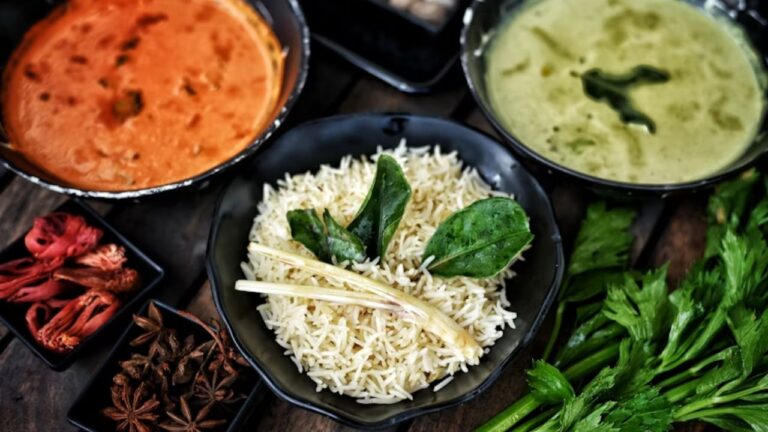
Indian restaurant food is often rich, colourful and full of dishes people recognise quickly.
Butter chicken, biryani, samosas, naan, tikka masala, paneer curries and heavy gravies are familiar to many diners. These dishes can be excellent, but they do not always show how people eat at home across India.
Indian home cooking is usually quieter.
It is built around everyday meals, seasonal vegetables, lentils, rice, roti, pickles, chutneys, curd and small adjustments made by habit rather than recipe. It can be simple, but it rarely feels plain. A home meal may not look dramatic on a menu, yet it often gives a better sense of how Indian food actually works.
For travellers booking flights to India, restaurant meals are only part of the food experience. The deeper understanding often comes from eating in homes, homestays, small family-run places or regional kitchens where food is cooked for comfort, routine and memory rather than presentation.
That is where Indian food starts to feel more personal.
Home food is usually lighter than restaurant food
A lot of Indian restaurant food is made to feel special.
Gravies may be richer. Butter, cream, oil, nuts and spice blends may be used more heavily. The food needs to stand out, survive service, look appealing and feel worth ordering.
Home food has a different job.
It needs to be eaten often. It has to suit the weather, the family’s habits, the ingredients available and the person cooking that day. A weekday meal might be dal, rice, roti, a vegetable dish, curd and pickle. It may be filling, but it is not usually as heavy as a restaurant spread.
This is one of the first things people notice when they eat Indian food at home.
The flavours can still be strong, but they are often more balanced. A simple dal may be comforting rather than bold. A dry sabzi may rely on cumin, mustard seeds, turmeric, chilli or curry leaves rather than a thick sauce. Rice and roti are not side items. They are part of how the meal comes together.
Home cooking is made to be lived with.
Dal is at the centre of many meals
Dal is one of the clearest differences between restaurant food and home food.
In restaurants, dal may appear as dal makhani, rich, buttery and slow-cooked. At home, dal is often simpler and more varied. It can be made with toor, moong, masoor, chana, urad or mixed lentils. It can be thin and soupy, thick and earthy, sharp with tomatoes, mild with ghee, or finished with a quick tempering of spices.
A bowl of dal can change by region and by household.
In one home, it may be cooked with garlic and cumin. In another, it may include curry leaves and mustard seeds. Somewhere else, it may be finished with green chillies, asafoetida, coriander or lemon.
Dal matters because it is reliable.
It can feed a family, stretch across meals, sit beside vegetables, soften rice, or make a simple dinner feel complete. It is not always the dish people photograph, but it is one of the dishes people return to again and again.
Sabzi shows the value of everyday vegetables
Restaurant menus often focus on paneer, meat, biryani and famous curries.
Home kitchens often focus on vegetables.
Sabzi can be made from potatoes, cauliflower, okra, aubergine, cabbage, spinach, peas, beans, gourds, carrots or whatever is fresh and affordable. Some versions are dry, some are lightly sauced, and some are cooked until soft and comforting.
The skill is in making ordinary vegetables taste like themselves, but better.
Aloo gobi, bhindi, baingan bharta, palak, cabbage with peas, beans with coconut, pumpkin with spices or bitter gourd with onions can all feel deeply familiar to people who grew up with them.
These dishes do not always need a long list of ingredients.
A little oil, a few spices, heat and timing can do the work. The result may not look as dramatic as a restaurant curry, but it often feels more connected to daily life.
Pickles and chutneys change the whole plate
Indian home meals are rarely only about the main dishes.
Small extras matter. Pickles, chutneys, papad, curd, salad, sliced onion, lemon and fresh chilli can change the whole meal.
A spoon of mango pickle can make plain dal and rice feel sharper. Coconut chutney can cool and lift a breakfast plate. Mint chutney can cut through fried snacks. Tamarind chutney can bring sweetness and sourness. Curd can soften heat and make a meal feel more settled.
These side elements are often where family taste shows most clearly.
Some households like food hotter. Some prefer tangier pickles. Some always keep homemade chutney ready. Others rely on shop-bought favourites that have been part of the table for years.
In restaurant food, these extras can feel decorative. At home, they often complete the meal.
Regional cooking is stronger at home
Indian restaurants abroad often blend regional foods together.
A menu might include Punjabi curries, South Indian dosa, Indo-Chinese noodles, biryani, chaat and Gujarati snacks all in one place. That can be useful, but it can also flatten the differences between regions.
Home cooking is where those differences become clearer.
A Bengali home may build meals around fish, rice, mustard, vegetables and sweets. A Tamil home may centre rice, sambar, rasam, poriyal and curd. A Gujarati home may balance sweetness, spice and farsan. A Punjabi home may use wheat, dairy, dals and seasonal greens. A Maharashtrian home may bring in peanuts, coconut, kokum, goda masala or bhakri depending on the region.
These are not just ingredients. They are habits.
They shape how people shop, cook, serve and eat. This is why one Indian home meal can feel completely different from another, even if both are described simply as “Indian food”.
Home cooking follows the season
Seasonality is another part of Indian home food that restaurants may not always show.
Families often cook what is fresh, affordable and suited to the weather. In summer, meals may include lighter dals, curd, buttermilk, cucumber, mango, lemon, cooling drinks and quicker-cooked vegetables. In winter, richer dishes, greens, root vegetables, jaggery, sesame and warming spices may appear more often.
Mango season changes kitchens.
So does monsoon. So does winter in North India, when dishes like sarson ka saag, makki ki roti, gajar ka halwa and stuffed parathas feel especially right.
Festival seasons bring their own foods too.
Home cooking does not stay fixed. It moves through the year, and that movement gives it texture. The food is tied to weather, markets, family routines and memory.
Recipes are often learned by watching
Many Indian home cooks do not cook from written recipes every day.
They cook by sight, smell, sound and habit. They know when the cumin has bloomed in hot oil. They know how much water to add to dal. They know when onions are cooked enough, when dough needs more flour, or when rice has rested properly.
This kind of cooking can be hard to write down.
A recipe may say “add spices”, but a home cook may judge the amount by the size of the spoon, the strength of the chilli, the freshness of the vegetables or the preferences of the family.
That is why the same dish can taste different in every home.
The method may look similar, but small choices change the result. More garlic. Less chilli. Extra ghee. A different pickle. A softer roti. A thinner dal. These details make the food personal.
Leftovers become another meal
Indian home kitchens often use leftovers well.
Rice can become lemon rice, curd rice, fried rice or a quick snack. Dal can be thickened, reused or served differently the next day. Dry sabzi can go into a roll or paratha. Chapatis can be turned into simple stir-fried pieces with spices.
This practical side of home cooking is easy to miss.
Restaurants usually present food as finished dishes. Homes think in meals across the day. What is left from lunch may shape dinner. What is in the fridge may become breakfast. A small amount of chutney, curd or pickle can make leftovers feel fresh again.
This is not glamorous, but it is real.
It shows how Indian cooking often balances flavour with economy and habit.
Home food carries memory
The biggest difference between Indian home cooking and restaurant food is emotional.
A restaurant dish can be delicious, but home food often carries memory. It may remind someone of their mother’s dal, a grandmother’s pickle, a father’s weekend breakfast, a festival sweet, a school lunchbox or a simple dinner after a long day.
That kind of connection is hard to copy.
Even when the food is plain, it can feel deeply comforting because it belongs to a person, a place and a routine. The taste is not only about spice. It is about familiarity.
This is why people miss home food even when they can find excellent restaurants nearby.
They are not only missing flavour. They are missing the way that flavour fits into their life.
Indian home cooking is where the everyday story sits
Restaurant food has its place. It can be festive, generous and memorable. It introduces many people to Indian flavours and gives space to dishes that are hard to cook casually at home.
But Indian home cooking tells a different story.
It is about dal, rice, roti, sabzi, pickle, curd, chutney, leftovers, seasons, family habits and regional kitchens. It is food that supports daily life rather than trying to impress for one meal.
That does not make it less interesting. It often makes it more meaningful.
To understand Indian food properly, you need both sides: the restaurant table and the home kitchen. The first can show celebration. The second shows how people actually eat, remember and return to the same comforting flavours again and again.
