

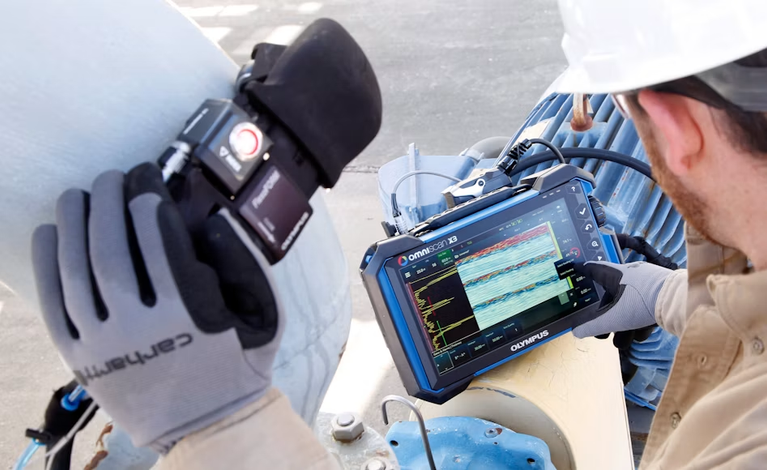
Noise might seem an inevitable part of life in the workplace. Sure enough, it can be near-unavoidable in certain working environments, such as manufacturing plants, construction sites, warehouses, workshops, and engineering facilities.
However, it also shouldn’t be overly surprising that the commonly implemented workplace safety measurement solutions often place a big emphasis on the monitoring of noise.
That’s because effective noise monitoring can greatly help employers protect their workforce, at the same time as adhering to legal obligations.
Why Is Monitoring and Managing Noise Such a Health and Legal Imperative?
Noise is not “just” a minor distraction or inconvenience in the workplace. Long-term exposure to high sound levels can lead to significant hearing loss and tinnitus, with these conditions often being irreversible.
Moreover, excessive noise can reduce concentration, heighten fatigue, and make verbal communication difficult. These factors, taken together, can increase the risk of accidents and “near misses” at a broad range of work sites.
Focusing on the UK in particular, the country’s employers have a clear duty imposed on them to protect workers from harmful noise levels. This is set out in the Control of Noise at Work Regulations 2005, which outline key action values:
- The Lower Exposure Action Value of 80 dB(A) as a daily or weekly average. When this level of noise applies, the employer must provide information, training, and hearing protection on request.
- The Upper Exposure Action Value of 85 dB(A). This is the level at which hearing protection becomes mandatory and it is necessary for noise control measures to be put in place.
- The Exposure Limit Value of 87 dB(A), which is the level that must never be exceeded, after taking into account the protection provided by hearing protectors.
An employer in the UK that fails to comply with these noise requirements will be putting itself at risk of enforcement notices, fines, or prosecution by the Health and Safety Executive (HSE).
The Role of Noise Monitoring in Safety Management
When an employer arranges for regular noise assessments, it will be strongly placed to:
- Identify high-risk areas and tasks.
- Measure not only average exposure (LAeq), but also peak levels, as are important to know about given the risks of sudden loud noises like impacts or explosions.
- Evaluate the effectiveness of engineering controls, such as quieter machinery, enclosures, or maintenance routines.
- Set out evidence for risk assessments and demonstrate due diligence.
- Support health surveillance programmes, including hearing checks for workers who are likely to be at particular risk.
The latest available sound level meters and personal noise dosemeters can greatly help ensure an accurate, efficient, and repeatable noise monitoring process. For workplace measurements, Class 1 or Class 2 meters are widely recommended, with Class 1 options lending themselves well to critical assessments due to their higher precision.
What Practical Steps Can Be Taken to Implement Noise Monitoring?
Those responsible for staff safety at a given premises should go through the following stages if they’re looking to put in place a well-tailored and effective noise monitoring regime:
- Conduct a noise risk assessment. A competent person should be appointed to map noise levels across the site during typical operations.
- Monitor regularly. This is particularly important after process changes, the introduction of new equipment, or alterations to the site layout.
- Implement controls. The elimination or reduction of noise “at source” (for example, switching to low-noise tools) should be prioritised before any decision is made to rely on personal protective equipment (PPE).
- Provide training and protection. This will be a vital step for ensuring workers understand the risks and the correct procedure for using hearing defenders.
- Keep records of noise risk assessments. These assessments should be reviewed whenever work processes change.
- Review and improve. Responsible and well-informed employers will know the importance of feeding noise monitoring data into their ongoing efforts to enhance on-site safety.
Act on Noise Levels at Your Site Without Delay
Workplace noise continues to be one of the most frequently occurring occupational hazards across industrial premises. However, it is also among the most manageable.
If noisy processes routinely take place at your site, you shouldn’t wait for an obvious problem to arise before you act on the risks.
By combining professional sound level meters and environmental test equipment with adherence to guidance from authoritative sources like the HSE, you can greatly help make your organisation’s workplace a safer, quieter, and more compliant one.
