

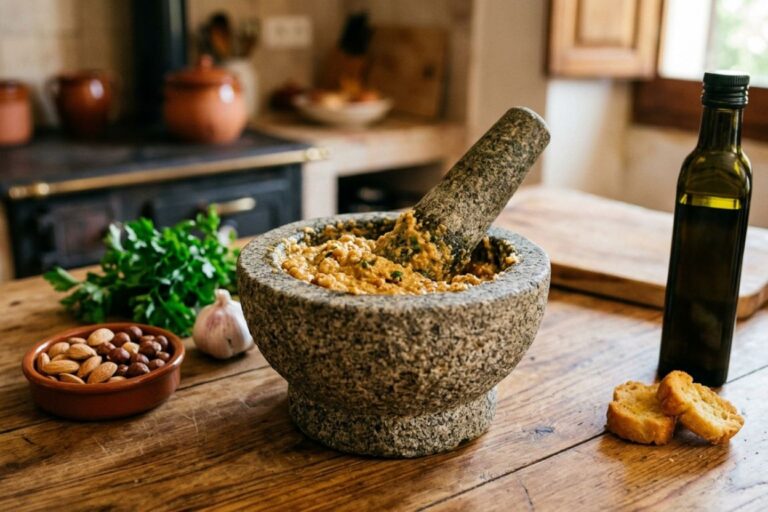
Are you ready to elevate your culinary skills to a whole new level? Then you need to discover the magic of a traditional, perfectly crafted piçada in your kitchen. This classic culinary element is the secret weapon of elite chefs worldwide.
In this comprehensive guide, you will learn exactly how to master this incredible technique. We will explore its rich history, essential ingredients, and modern twists for 2026. Furthermore, you will find step-by-step instructions to create the ultimate flavor enhancer for your everyday meals.
Understanding the True Essence of Piçada
Before you start cooking, you must understand what makes this preparation so unique. It is not just a simple garnish or a random topping. Instead, it serves as a foundational element that defines a dish’s flavor profile.
What is a Traditional Catalan Piçada?
Historically, Mediterranean cooks created this thick paste to bind, thicken, and flavor various stews and soups. The word itself comes from the action of crushing or mashing ingredients together. Therefore, you always use a mortar and pestle to achieve the correct, rustic texture.
Unlike French roux, which relies heavily on flour and butter, this mixture uses nuts and bread. Consequently, it introduces a completely different depth of flavor and a beautiful, complex aroma to your food.
The Global Evolution of the Word
In 2026, the term has taken on a fascinating global meaning across different food cultures. While Europeans know it as an aromatic paste, South American traditions offer something completely different.
For example, in Argentina and Uruguay, a piçada refers to a massive social platter of cured meats and cheeses. Meanwhile, modern Brazilian barbecue circles use the term for skewered meats grilled slowly over open charcoal flames. This article focuses on the legendary Spanish paste that transforms everyday sauces into culinary masterpieces.
The Role of This Paste in Modern Gastronomy
In 2026, top global restaurants are focusing heavily on heritage cooking and authentic techniques. As a result, this ancient paste is experiencing a massive resurgence in popularity. Chefs love it because it adds a rich texture without relying on heavy cream or excess fat.
In addition, it aligns perfectly with the current culinary shift toward wholesome, plant-based, gluten-free alternatives. You can easily adapt the classic recipe to fit any modern dietary restriction today.
Essential Ingredients for an Authentic Mix
To build a flawless flavor profile, you must carefully select your components. Each ingredient plays a specific role in balancing the taste and texture of your final dish.
The Nut Base: Almonds and Hazelnuts
Nuts are the absolute backbone of any high-quality piçada. Traditionally, toasted Marcona almonds take center stage because they offer a sweet, milky richness.
However, you can also introduce hazelnuts or pine nuts to create a more complex flavor. Always toast your nuts gently beforehand. Toasting releases the natural oils, which drastically enhances the overall aroma of your paste.
The Texture Builders: Bread and Liquids
You need a strong binding agent to hold aromatic oils and nuts together. Traditionally, a small piece of fried bread or a dry cracker works best for this job.
After crushing the dry ingredients, you will add a splash of cooking liquid to create a smooth paste. For example, you can use fresh seafood stock, rich meat broth, or even a dry white wine. This step ensures the mixture integrates seamlessly into your main dish later.
The Aromatics: Garlic, Herbs, and Spices
No authentic mixture is truly complete without a powerful kick from fresh garlic cloves. You can use raw garlic for a sharp bite, or fry it slightly for a mellower taste.
Additionally, fresh parsley adds a beautiful splash of green color and a bright, grassy note. Modern cooks in 2026 also like to experiment with saffron threads, dark chocolate, or sweet paprika. These extra elements introduce an incredible layer of luxury and depth to your cooking.
Step-by-Step Guide to Crafting the Perfect Paste
Now that you know the ingredients, let us walk through the actual preparation process. Following these steps ensures a flawless result every single time you cook.
Step 1: Toasting and Frying
First, place your chosen nuts in a dry pan over medium heat. Stir them constantly for 3 minutes until they turn a beautiful golden brown.
Next, remove the nuts and add a single tablespoon of olive oil to the same pan. Fry a small slice of stale bread until it becomes completely crispy on both sides. Allow these components to cool completely before moving to the next stage.
Step 2: Grinding in the Mortar
Grab your mortar and pestle, then drop in a pinch of coarse sea salt along with the garlic. Pound them firmly until they form a smooth, consistent paste.
After that, add the toasted nuts and the fried bread into the mortar. Grind the mixture using a firm, circular motion until everything breaks down into fine crumbs. Avoid using a modern food processor here, because electric blades can turn the nuts oily and greasy.
Step 3: Hydrating the Mixture
Finally, pour a few spoonfuls of hot broth or cooking liquid directly into your mortar. Stir the liquid into the crushed crumbs until a thick, luxurious paste forms.
Your authentic piçada is now completely ready to transform your cooking. Keep it at room temperature until your main dish reaches its final stages of preparation.
How to Incorporate the Paste Into Your Dishes
Knowing how to make the paste is only half the battle. You must also learn exactly when and how to add it to your food for the best results.
The Timing of the Addition
Timing is absolutely critical when you use this traditional flavor enhancer. You should never add the paste at the very beginning of your cooking process.
Instead, stir it into your pot approximately ten minutes before you turn off the stove. This window allows the bread and nuts to thicken the sauce beautifully without burning. Furthermore, it preserves the delicate, volatile aromas of the fresh garlic and herbs.
Perfect Recipe Pairings
This versatile paste works wonders across a massive variety of traditional and modern recipes. For instance, it elevates a simple seafood zarzuela or a rustic chicken stew instantly.
In addition, you can stir it into a pot of boiling white beans or lentils for a quick vegan meal. The nutty undertones pair brilliantly with the earthiness of legumes, creating a deeply satisfying comfort food.
Advanced 2026 Flavor Variations to Try
The classic recipe is highly adaptable, allowing you to experiment with many unique variations. Here are the top trends that creative home cooks are loving this year.
The Luxurious Chocolate Variant
Adding a tiny square of dark, unsweetened chocolate to your mortar might sound unusual at first. However, this variation creates an incredibly deep, savory flavor profile.
The chocolate does not make the dish sweet at all. Instead, it adds a complex, bittersweet note that pairs magnificently with wild game, beef, or rich duck stews. It functions similarly to a Mexican mole sauce, giving your food a beautiful, glossy finish.
The Bright Citrus Innovation
If you prefer lighter dishes, you can easily create a refreshing, modern version of this paste. Simply replace the heavy broths with fresh lemon juice and a teaspoon of grated lemon zest.
Additionally, swap out the traditional hazelnuts for green pistachios to create a vibrant color. This specific variation pairs wonderfully with grilled white fish, summer vegetables, or roasted chicken breasts.
Pro Tips for Culinary Success
To truly cook like a professional, keep these essential tips in mind during your kitchen adventures. They will help you avoid common mistakes and guarantee a delicious outcome.
Always Choose High-Quality Olive Oil
Since this recipe requires very little cooking, the quality of your oil matters immensely. Always select an extra-virgin olive oil with a fruity, slightly peppery finish. The oil coats the crushed ingredients, helping to distribute the flavors evenly throughout your entire dish.
Managing the Texture Correctly
A great piçada should never look perfectly uniform or completely industrialized. It needs to retain a slightly coarse, artisanal texture so you can feel the tiny bits of nuts.
If the paste feels too thick, simply add more warm liquid one teaspoon at a time. On the other hand, if it looks too runny, crush a few extra almonds to restore the ideal thickness.
The Future of Traditional Cooking Techniques
As we move through 2026, the global culinary world continues to embrace slow, mindful cooking methods. People are moving away from heavily processed ingredients and returning to time-tested, handmade traditions.
Learning how to craft a genuine piçada allows you to connect deeply with centuries of Mediterranean food culture. It proves that you do not need complicated chemical additives to create an unforgettable, deeply savory meal.
Therefore, head to your kitchen, grab your mortar, and start practicing this essential technique today. Your family and dinner guests will undoubtedly notice the incredible difference in your cooking.
