

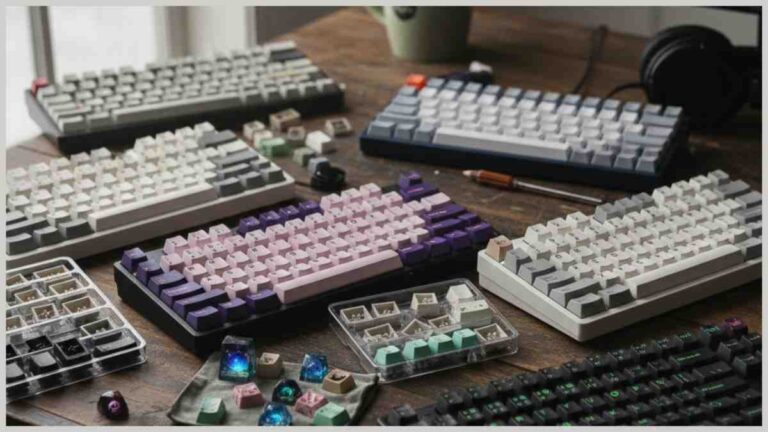
Mechanical keyboards have grown from niche tools for typists and gamers into mainstream essentials for anyone seeking precision, comfort, and customization. One of the most impactful ways to personalize your mechanical keyboard is through its keycaps. In this guide, we’ll explore everything you need to know about keycaps for mechanical keyboards, including materials, profiles, selection tips, and the best sets available in the market.
What Are Keycaps and Why Do They Matter?
Keycaps are the individual tops of your keyboard switches—the part your fingers physically touch. They play a critical role not only in aesthetics but also in ergonomics, typing feel, and even sound. A high-quality keycap can improve typing comfort and reduce finger fatigue, especially for those who type extensively or game for hours. For instance, a user on Keychron’s forums reported that switching from ABS to PBT keycaps significantly improved their typing experience and reduced wear over time. While the switch type impacts keystroke feel, keycaps are equally essential for a satisfying mechanical keyboard setup.
What Materials Are Keycaps Made From?
Keycaps are commonly made from two main types of plastic: ABS (Acrylonitrile Butadiene Styrene) and PBT (Polybutylene Terephthalate). Each material has distinct characteristics:
| Material | Characteristics | Pros | Cons |
| ABS | Smooth surface, slightly flexible | Affordable, vibrant colors, easy to mold | Prone to shine and wear over time |
| PBT | Textured surface, more rigid | Durable, resistant to shine, maintains legends | Limited color options, slightly higher cost |
Other materials like POM or resin are less common but used in artisan or high-end keycaps. According to a 2022 study by Keyboard University, over 70% of enthusiasts prefer PBT keycaps for long-term durability.
How Do Keycap Profiles Affect Typing Experience?
Keycap profiles describe the shape and height of keys in each row, impacting ergonomics and typing speed. Typical profiles consist of SA, DSA, Cherry, and OEM:
- SA: Tall, spherical, retro feel, ideal for typing enthusiasts.
- DSA: Uniform height, flat top, versatile for key remapping and gaming setups.
- Cherry: Slightly sculpted, comfortable for long typing sessions, standard in many mechanical keyboards.
- OEM: Moderate height, slightly sculpted, common in prebuilt keyboards.
Selecting a profile depends on typing style and personal comfort. Gamers may prefer lower profiles for faster key presses, while writers might enjoy taller, sculpted caps for tactile feedback. Testing different profiles in a real-world setup is the best way to find what suits your hands.
How to Choose the Right Keycaps for Your Mechanical Keyboard?
Choosing the perfect keycap set requires considering multiple factors:
- Keyboard Layout: Ensure the keycap set supports your keyboard size (60%, 75%, TKL, or full-size).
- Material Preference: Decide between ABS for vibrant aesthetics or PBT for durability and texture.
- Profile Comfort: Choose a profile that aligns with your typing style (see previous section).
- Legends and Printing: Double-shot or dye-sublimated legends last longer than printed ones.
- Sound and Feel: Keycap thickness affects sound; thicker caps often produce a deeper, more satisfying tone.
- Budget and Aesthetic: Some artisan or custom sets can be expensive but add unique flair to your setup.
A practical example: If you’re a programmer using a 75% keyboard daily, a PBT Cherry profile set with dye-sublimated legends offers durability, comfort, and a subtle sound profile. For gamers, a DSA PBT set may allow faster key presses and easy remapping.
What Are the Best Keycap Sets Available in the Market?
Several popular keycap sets have earned acclaim among enthusiasts:
- GMK Keycaps: High-quality ABS, double-shot, iconic designs. Trusted by many for durability and aesthetics. Reference
- PBT Keycap Sets by Keychron: Affordable, durable, wide range of colors. Reference
- Artisan Keycaps: Resin or custom designs, mostly for enthusiasts seeking unique aesthetics.
You can explore a wide range of high-quality options here: keycaps for mechanical keyboards.
Conclusion
Keycaps are more than just decorative pieces—they influence typing comfort, sound, and overall keyboard experience. Understanding materials, profiles, and design options helps you make informed choices. Whether you’re a gamer, programmer, or casual typist, investing in quality keycaps is a worthwhile upgrade to enhance your mechanical keyboard.
FAQs
Can I mix different keycap sets on one keyboard?
Yes, but be mindful of profile and row compatibility. Mixing profiles may affect typing comfort.
Do keycaps affect keyboard sound?
Absolutely. Material thickness and profile impact the acoustics of each keystroke. PBT tends to produce a deeper sound, while ABS is slightly higher-pitched.
How can I effectively clean and take care of my keycaps?
Remove keycaps carefully and wash with mild soap and water. Avoid harsh chemicals. For regular cleaning, a soft brush or compressed air helps remove dust without removal.
