

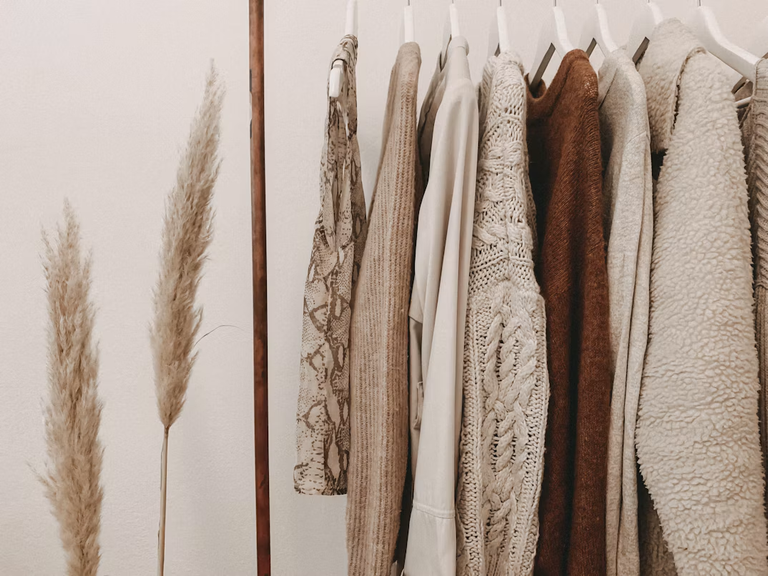
A seasonal wardrobe rotation gives clothes the space and conditions they need to retain their shape, colour and finish. Keeping every coat, jumper, dress and holiday outfit in one cupboard may feel convenient, but crowded rails and unsuitable storage can shorten the life of fabrics. A twice-yearly changeover makes everyday dressing easier while protecting the pieces you want to enjoy for many seasons.
The process needn’t consume an entire weekend. Set aside a few hours in early spring and early autumn, prepare suitable containers and deal with one clothing category at a time.
The Perils of Overstuffed Closets
A tightly packed wardrobe puts constant pressure on clothing. Coat shoulders become misshapen, linen develops deep creases and delicate fabrics catch on zips or decorative trims. When hangers have to be forced along the rail, it’s also harder to see what you own. Garments at the back may go unworn for months, while similar items are bought unnecessarily.
Poor airflow creates another problem. Clothes placed in a cupboard before they’re fully dry can develop a stale smell, especially when surrounded by densely packed fabrics. Natural fibres may also attract clothes moths, whose larvae feed on materials such as wool, cashmere and silk. Crowding makes the early signs, including small holes and silky webbing, easier to miss.
Aim to leave a little movement between hangers. Jackets and structured dresses need shaped hangers, while knitwear should be folded to prevent stretching at the shoulders. Don’t hang several heavy items from one hanger, even when the rail can take the weight.
A rotation also offers a natural editing point. The discussion around seasonal closet rotation reflects how differently people use their wardrobes, so adapt the system to your climate and routine. Keep transitional layers accessible and remove only those pieces you genuinely won’t wear for several months. Before storing anything, create separate groups for repair, donation, recycling and next season.
Sorting Autumn Wool from Summer Linen
Start the changeover by emptying one shelf or short section of rail. Trying to dismantle the whole wardrobe at once often leaves the room covered in clothes and makes careful inspection less likely. A structured summer-to-autumn guide can help you divide the task into manageable stages.
Clean every garment before packing it away. Perfume, body oils, food marks and invisible perspiration can discolour fabric over time or attract pests. Follow the care label, allow each piece to dry completely and empty every pocket. Remove belts or detachable accessories if they could leave pressure marks.
Sort according to material and construction. Fold wool and cashmere loosely with acid-free tissue between valuable pieces. Wash linen, smooth it by hand and fold it along different lines each season to avoid repeatedly stressing the same fibres. Cotton T-shirts can sit in breathable fabric boxes, while occasion dresses may need padded hangers and washable garment covers.
If your home lacks a dry spare cupboard, flexible self storage can free up room for clothes currently in use. Choose a unit size that allows boxes to be stacked safely without crushing them, and check access arrangements before committing. Store clothing off the floor on shelving or pallets and leave narrow gaps around containers for air circulation.
Label each box on the front and top. “Summer clothes” is too broad to be useful, so try “linen shirts and shorts” or “holiday dresses, sizes 10-12”. A simple phone inventory saves opening six boxes to find one cardigan during an unexpectedly cold week.
Benefits of Climate Controlled Self Storage
Temperature and humidity changes affect textiles even when they’re packed carefully. Damp conditions encourage mildew, while excessive dryness can make some materials brittle. Repeated fluctuations can be particularly hard on leather, elastic, adhesives and decorative finishes. Climate control helps maintain more stable conditions, which can suit garments that will remain stored for many months.
Ask a storage provider what the term covers at that specific facility. It may refer to temperature management, humidity control or both. Request the normal operating range and find out how conditions are monitored. Security, access hours and cleanliness matter too, but no facility can compensate for clothes that were packed damp or dirty.
Use clean, breathable containers for most natural fibres. Vacuum bags save space, yet long-term compression can flatten insulation, strain seams and leave deep creases. They’re better reserved for washable, resilient items over shorter periods. The seasonal clothing storage rules also advise against cardboard for extended storage because it can attract pests and offers limited protection from moisture.
Pack heavier garments at the bottom and lighter items above them. Don’t overfill boxes, as pressure can damage buttons, beading and structured areas. Cedar blocks or lavender sachets may add a pleasant scent, but they don’t replace cleaning and regular checks.
Visit stored clothes every couple of months if the rental period is long. Look for condensation, odours, pest activity or collapsed boxes. Refold delicate pieces along new lines and confirm that labels remain readable. Keep an inventory at home that records the box number, contents and date packed, along with photographs of especially valuable garments.
Preserving Vintage and Designer Investments
Vintage and designer clothing needs individual assessment because age, rarity and construction can change the correct storage method. A 1980s sequinned jacket shouldn’t be treated like a modern cotton shirt. Its embellishments may snag adjacent fabric, while its weight can distort the shoulders if it hangs for months.
Begin with the care label; if one survives, then inspect seams, linings, fastenings and trims under good light. Existing stains and weak areas should be addressed by a cleaner or textile conservator with experience of delicate garments. Avoid experimenting with strong stain removers on silk, hand-dyed fabric or vintage material, since colour loss can be permanent.
The wardrobe swap advice recommends cleaning storage areas as part of the changeover. Vacuum shelves and wardrobe corners, wipe hard surfaces and let them dry before clothes return. This removes dust, hair and fibres that can conceal pest activity.
Use padded hangers for structured pieces that are safe to hang, supporting heavy skirts or trousers with fabric-covered clips. Fold beaded, knitted or bias-cut garments in an archival-quality box with acid-free tissue. Fasten zips and buttons loosely so the garment keeps its intended shape without placing tension on closures. Plastic dry-cleaning covers should be removed because they can trap moisture and transfer chemicals or colour.
Keep purchase receipts, alteration records and photographs separately. For insured pieces, check whether the policy applies away from home and whether valuations need updating. Never pin labels directly to fabric. Place identification details inside the box or attach them to the hanger cover instead.
When the season changes again, unpack slowly and inspect before wearing. Air clothes in a clean room, steam only where the care guidance permits, and deal with small repairs promptly. Finding one loose bead in spring is far easier to fix than discovering a missing row before an autumn event.
