

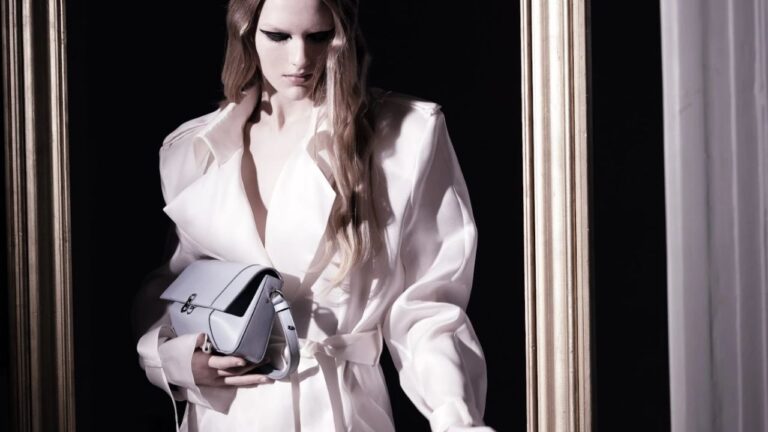
Luxury in fashion used to be straightforward to identify: a recognizable logo, a famous house, a price point that signaled status. That definition hasn’t disappeared, but it’s been joined by something more nuanced — a form of luxury defined not by visibility but by quality, coherence, and longevity. SAGIO clothing luxury speaks to this shift directly: womenswear built around clean design, precise construction, and pieces designed to remain relevant well beyond the season they were bought in.
When “Expensive” Stopped Meaning What It Used To
The most interesting development in contemporary fashion is the decoupling of luxury from branding. A growing number of women — particularly those who dress for demanding, varied schedules — have shifted their attention from labels to construction. The question is no longer “whose name is on this?” but “how does this actually wear?”
This is a more demanding standard in some ways. It requires paying attention to how a garment sits on the body, how the fabric behaves after washing, whether the silhouette holds its line after months of regular wear. But it’s also a more reliable one. Quality construction doesn’t depend on cultural relevance staying constant. A well-made coat is a well-made coat in five years as clearly as it is today.
Restraint as a Design Principle
The aesthetic that aligns most naturally with this approach is one built on restraint. Clean lines rather than surface decoration. A considered palette rather than seasonal color stories. Silhouettes that flatter through precision of cut rather than exaggeration of proportion.
Restraint is harder to execute than it looks. When decoration is removed, construction becomes the only thing left to carry the design. Every seam placement, every fabric choice, every finishing detail becomes more visible — and more consequential. Brands that work successfully in this space tend to invest heavily in the parts of garment-making that photographs don’t capture.
The payoff is clothing that ages well. Pieces with strong, clean design don’t accumulate the visual fatigue that trend-dependent items do. Worn repeatedly across seasons, they tend to feel more settled and more right rather than less.
The Wardrobe as a System
Individual pieces matter, but the most functional wardrobes are built as systems. This means choosing items that connect — through compatible silhouettes, a shared color logic, matched quality levels — so that combinations emerge naturally rather than requiring planning.
A neutral-anchored palette does most of the structural work here. When the base tones are consistent, pieces mix freely without effort. Texture and cut provide variation; the palette provides coherence. The result is a wardrobe where most items get worn regularly, rather than the more familiar pattern of a small rotation surrounded by pieces that rarely leave the hanger.
This is the practical argument for quality over volume: a smaller, more coherent wardrobe is simply more useful than a larger, more fragmented one. It takes less time to use, creates less friction in daily decisions, and tends to produce more consistent results.
What Longevity Actually Looks Like
A garment’s longevity isn’t only about physical durability, though that matters. It’s also about design relevance — whether a piece continues to feel like a good choice after two or three years of wear, or whether it starts to feel dated, overdone, or simply wrong.
Pieces built around enduring design principles tend to age in the first way. A well-cut trouser, a structured jacket, a dress with considered proportions — these don’t depend on trend alignment to remain compelling. They work because the fundamentals are right, and fundamentals don’t expire.
That’s the real meaning of clothing luxury at its most useful: not status, not novelty, but the quiet confidence of knowing that what you’re wearing was made well, chosen carefully, and will continue to earn its place.
