

Travelling to China in 2026 requires a strategic approach to preparation, as the country continues to evolve into a highly digital and increasingly visa-flexible destination. While major tourist hubs offer incredible modern conveniences, navigating the vast landscapes and bustling cities demands specific readiness, particularly because English remains limited outside of central metropolitan areas. Travellers must meticulously organize their documents, finalize entry and visa plans, and establish a robust digital setup that includes virtual private networks, mobile payment applications, and reliable connectivity solutions.
Other essential steps include securing health insurance, downloading language tools, and planning a flexible itinerary. By understanding the unique technological and cultural landscape of the nation, visitors can ensure a seamless and deeply rewarding journey, avoiding common pitfalls related to digital isolation or logistical hurdles upon arrival.
What are the essential passport and visa requirements for entry?
Travellers should prepare their passports by ensuring they possess at least six months of validity beyond the intended arrival date and contain a minimum of two blank pages, which is a strict standard for entry and visa issuance. It is highly recommended to maintain digital copies in a secure cloud environment alongside physical paper copies of the passport information page, as these are frequently required for hotel check-ins or police registration checks. In terms of entry paths, the 2026 policy trend leans toward greater flexibility, though rules vary significantly by nationality.
Many Western and Asian nationals now enjoy approximately thirty-day visa-free entry, making it crucial to verify current waiver lists with an official consulate before booking flights. Alternatively, those flying through the country to a third region might qualify for a 144-hour or 240-hour transit without a visa in designated cities. For those not eligible for these exemptions, applying for a standard L-tourist visa one to two months in advance is necessary, requiring the following:
- An itinerary
- Proof of accommodation
- Onward tickets
Finally, foreign visitors must be registered with the local police within twenty-four hours of arrival; while licensed hotels handle this automatically, those staying in private residences must clarify this responsibility with their hosts to remain compliant with local laws.
How can you ensure reliable internet access and digital connectivity?
China operates a highly connected yet heavily filtered digital ecosystem, meaning many familiar Western applications, including major search engines, social media platforms, and messaging services, are blocked. To maintain access to essential emails, maps, and cloud services, travellers should prepare a virtual private network setup before arrival. Download, subscribe to, and test at least two reliable VPNs on all devices before leaving home, as accessing provider websites from within the country is often impossible.
Beyond circumventing digital barriers, securing a stable local connection is critical. Relying solely on airport wireless networks can be problematic, as they frequently require a local phone number for text message verification. To navigate effectively, visitors should also install local mapping applications like Baidu Maps or Amap before departure, as global map applications work poorly. Downloading offline maps and saving screenshots of hotel addresses in Chinese characters will bridge any gaps in data coverage and significantly assist when communicating with local taxi drivers.
Choosing a China-specific eSIM for immediate access
Acquiring an eSIM is strongly recommended over purchasing a traditional local card upon arrival, which often involves navigating language barriers and presenting passport details at a telecom store. For immediate and seamless connectivity straight off the plane, travellers should seek out the best eSIM for China, allowing them to bypass physical queues and activate their data plan instantly.
These specialized data plans are designed to provide robust network coverage across the country while offering the convenience of a simple installation process on compatible devices. By configuring this technology at home, visitors ensure they are never locked out of essential communication channels or mobile payment applications during those crucial first hours in a new city. While some of these tailored products may include built-in features to assist with network routing, they remain highly affordable and eliminate the excessive costs associated with traditional international roaming.
To lock this in before you fly, you can save 15% on your Amigo eSIM for China with the code AMIGO-CN-0726 at checkout — one less thing to sort out during those crucial first hours on the ground.

Selecting a global eSIM provider for broader international travel
Travellers on multi-country trips or digital nomads should choose a global eSIM provider for consistent connectivity. A versatile platform can eliminate the need to constantly swap physical cards or incur exorbitant roaming fees as you move from one nation to another.
For instance, modern telecommunications solutions like Amigo eSIM allow users to easily install and manage prepaid data plans across more than one hundred and ninety countries directly through a dedicated mobile application. By automatically connecting to the strongest local networks, this service delivers secure and reliable internet that is significantly safer than public wireless hotspots. This level of travel convenience ensures that users can keep their primary phone numbers active while enjoying transparent pricing, ultimately saving up to ninety percent compared to standard international roaming charges.
How do you navigate the cashless payment systems effectively?
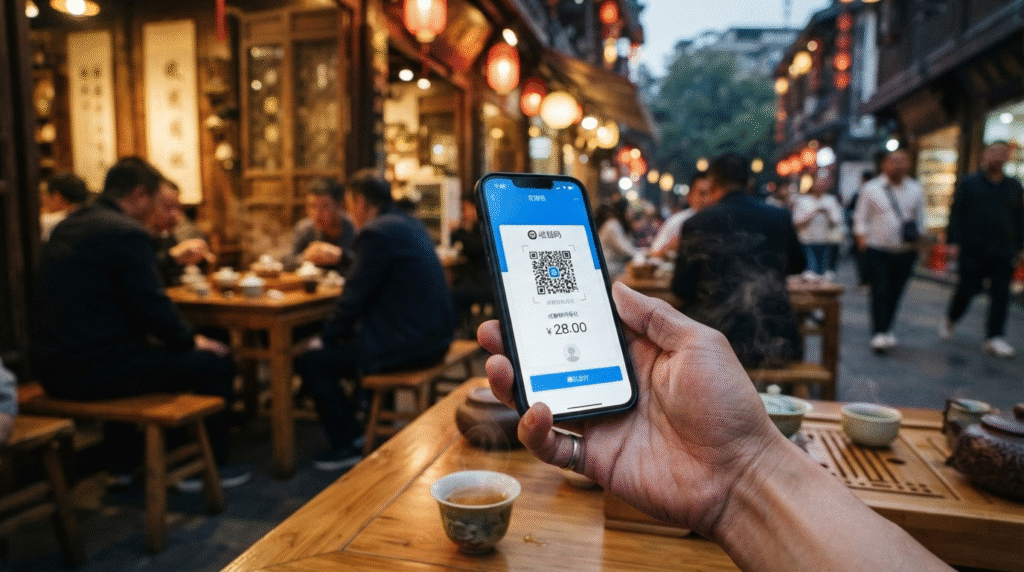
The urban economy in 2026 is almost entirely cashless, making digital payment readiness a non-negotiable aspect of trip preparation. Travellers should prepare their smartphones by downloading and setting up the two critical payment applications, WeChat Pay and Alipay, well before their departure date. Because identity verification processes involving a passport and the linking of a foreign credit or debit card can take a few days, early setup is essential.
These applications are universally utilized for:
- Metro fares
- Ride-hailing services
- Restaurant bills
- Purchases at small convenience stores
Link multiple cards to these platforms to mitigate the risk of a primary card failing or being blocked for cross-border transactions. While digital wallets dominate the financial landscape, visitors should prepare backup cash in Chinese yuan, carrying at least five hundred yuan in small notes for use in rural areas, smaller markets, or situations where international cards are not accepted by domestic merchants.
What is the best strategy for booking transport and accommodation?
The best seasons for travel are generally spring and autumn, offering milder temperatures and helping to avoid the extreme weather and enormous crowds associated with peak national holidays. When planning an itinerary across major hubs like Beijing, Shanghai, or Chengdu, travellers should prepare a transport booking application such as Trip.com to navigate the extensive high-speed rail network. Because popular train routes sell out rapidly, especially around weekends, securing these tickets in advance is crucial.
However, experienced visitors warn against over-fixing every detail of the trip. While limited-entry attractions like the Forbidden City and busy domestic flights require strict pre-booking, maintaining a flexible schedule allows for adjustments based on weather or personal energy levels. When securing lodging, always confirm that the chosen hotel or guesthouse is officially licensed to accept foreign guests, as smaller properties may lack the authority to process the mandatory police registration.

How should you prepare for language barriers and cultural differences?
Travellers should prepare a robust translation application before travelling, such as Google Translate, Baidu Translate, or the built-in tool within WeChat, to facilitate daily interactions. Ensuring these applications support camera translation is vital for deciphering menus, street signs, and product packaging. Because internet access can occasionally fluctuate, downloading offline language packs is a necessary precaution.
Beyond digital tools, learning a few basic Mandarin phrases, such as polite greetings and expressions of gratitude, can significantly enhance cultural navigation and foster positive interactions with locals. Keeping screenshots of key addresses, station names, and landmarks written in Chinese characters is an incredibly practical habit that makes directing taxi drivers and asking for navigational assistance much smoother and more efficient.
What health, safety, and packing essentials are necessary?
Travellers should prepare by purchasing comprehensive travel insurance before departure, as high-quality medical care in private hospitals can be exceptionally expensive for foreigners. This insurance should ideally cover:
- Medical treatments
- Emergency evacuations
- Potential trip disruptions
From a daily health perspective, it is advisable to avoid raw foods of uncertain hygiene and consume only bottled or boiled water.
When packing, power management is a critical consideration due to the heavy reliance on smartphones for navigation, payments, and ticketing. Visitors must pack a portable power bank, ensuring it complies with strict aviation security rules; lithium batteries must be kept in carry-on luggage, and the power bank must clearly display a capacity of under 20,000 milliampere-hours on its label to avoid confiscation. Finally, bringing a universal plug adapter and all necessary charging cables will guarantee that essential devices remain powered throughout the adventure.
