

DIY Mistakes and Financial Impacts
Doing DIY projects is a great way to make your place feel more like you and maybe save some cash too. But hey, things can get tricky, and if you mess up, it might cost you more in the end. So, it’s good to know what might go wrong and why planning is key before you dive into a DIY project. Make sure you’ve got the right skills and tools to avoid expensive mess-ups. A little prep and know-how can help you finish your project without a hitch and keep your wallet happy.
Overestimating Skills
Starting a DIY project can be super exciting, but if you bite off more than you can chew, it might just end up being frustrating. Fixing a leaky tap or messing with electrical stuff might sound easy, but they’re often trickier than they look. Bad plumbing could flood your place and dodgy electrical work is a real danger.
It’s really important to be honest about what you can handle before diving into a DIY task. Try starting with some easy projects to boost your confidence and skills. Nailing the simple stuff first makes tackling harder projects much easier. If things go off track, having some practice with smaller jobs can really help. And hey, if you’re unsure, maybe ask a pro for help.
Experts know their stuff and can spot problems you might miss. They stop us from making big mistakes, which keeps everything safe and sound. When you know your limits, you dodge expensive mess-ups and your project turns out better. This way, you save money and make sure everything’s done right.
Neglecting Proper Tools
Using the wrong tools for your DIY projects is a pretty common slip-up. It can mess up your stuff and take forever to finish. Like, imagine trying to paint a whole wall with a tiny brush – super annoying and a big waste of time. You’ve gotta have the basics, like a power drill, a good paintbrush, and a tape measure. These make everything go smoother and look way better. If you’re not up for buying tools you’ll hardly use, just hit up your local hardware store and rent them instead. It might seem pricey at first, but using the right gear stops mistakes and fixes, saving you cash in the end. The right tools not only make you quicker but also improve your work’s quality, making your DIY projects actually fun instead of a headache. So, having the right stuff turns a scary project into something you can handle easily!
Ignoring Safety Precautions
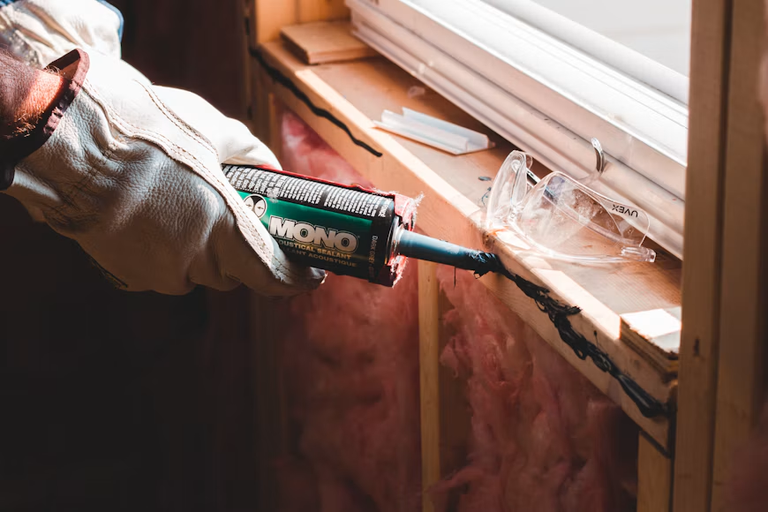
When you’re jumping into a DIY project, think safety first. Even the smallest jobs can get risky if you skip safety steps. Make sure you’ve got the basics: goggles, gloves, and dust masks. If you’re tackling bigger projects, you might need a strong ladder and something to protect your ears too.
Skipping these safety steps can lead to accidents. Forgetting gloves could mean getting nasty cuts, and not wearing goggles might let stuff get into your eyes, which could end up with you needing expensive doctor visits or missing work time.
Putting safety at the top helps you avoid getting hurt and saves you cash. By being careful from the get-go, you can have fun with your DIY stuff without worrying about accidents or wasting money. So, stay smart and safe to keep everything going smoothly!
Skipping Planning
Diving into a DIY project without a plan can be a real headache. If you don’t map things out, you might run out of supplies or miss important steps. Picture starting a room makeover only to find you’re low on paint or missing tools halfway through. It’s super annoying and can cost you extra cash. Without a clear schedule, your project might drag on, eating up more time and money than you thought.
Not planning well also means you’re more likely to mess up and have to redo stuff. Mistakes from not being prepared can mean tearing down what you’ve built and doing it all over again, which costs double the effort and money. Like, if you guess wrong about how much paint you need, you could end up with mismatched colours when you go back to buy more.
So, it’s a good idea to make a solid plan that details each step, lists out all the stuff you’ll need, and sets a realistic timeline. Breaking the project into smaller jobs makes it less scary and more organised. Thinking ahead not only saves you from pricey mistakes but also makes the whole DIY thing more fun and smooth.
Choosing Inexpensive Materials
Jumping into a DIY project is super fun because you can save money and add your own flair. But going for the cheapest materials might seem smart at first, it can actually be a bad idea later. Cheap stuff wears out fast, so you’ll end up fixing or replacing it more often. Like, if you buy cheap paint, it might lose its shine or peel quickly, so you’ll need to repaint sooner. And those cheap floor coverings? They might crack or warp with use, costing more in repairs.
Spending a bit more on good materials can save you money in the long run. Sure, premium paint might cost more, but it keeps its look longer, so you don’t have to touch it up all the time. And better floor coverings hold up well under daily use, lasting for years without damage. So, by investing a little more upfront, you cut down on future repair costs.
Choosing strong, quality materials makes your DIY projects look great and last longer. This smart way of spending helps you dodge the stress of big expenses from cheap fixes. By focusing on quality, you can really enjoy your projects without worrying about fixing them all the time.
Rushing the Process
When you’re in a rush to finish a project, it’s easy to make mistakes. It’s like putting together a piece of flat-pack furniture without looking at the instructions. You might end up with extra screws or a wobbly piece. The same goes for painting a room without priming first, which can lead to a patchy look. These shortcuts might seem tempting, but they often cause bigger problems that take more time and money to fix.
To nail your DIY projects, try setting realistic timelines for each step. If you rush, you’re more likely to mess things up, and fixing them can be costly. For instance, if you speed through tiling a bathroom and mess up the grout, you could end up with uneven tiles and leaks, which are a pain to sort out. By giving each task the time it deserves, you’re more likely to end up with a great result.
Patience is key when it comes to DIY. Taking your time with each step not only makes the end result better but also saves you cash in the long run. The joy of getting a project right the first time, without redoing it, is totally worth the wait. So, taking a little extra time to plan and do it carefully is a smart move to avoid costly mistakes.
Conclusion
If you want to avoid messing up and wasting money on your DIY projects, you gotta think things through. Plan it out well, and you’ll keep everything running smoothly. Grab the right tools and stay safe to dodge any accidents. Be real with yourself about what you can do, and go for good-quality stuff—it’s worth it. Taking your time and making smart choices means you can skip the money troubles, and your projects will turn out great without costing a fortune. Stick to these tips, and you’ll pull off some awesome work you’ll be proud of, all without emptying your wallet.
