

Choosing the right roofing material ranks among the most crucial decisions homeowners face, it’s not just about what sits on top of your house, but about protecting everything underneath it. The roof you select will influence your home’s energy efficiency, maintenance costs, and resale value for decades to come. With so many options flooding the market, it’s easy to feel overwhelmed by technical jargon and competing claims. But here’s what really matters: which materials can stand up to whatever Mother Nature throws at them while maintaining their integrity year after year? Let’s cut through the noise and explore five roofing materials that consistently deliver exceptional durability, helping you invest wisely in your home’s first line of defense.
Metal Roofing: The Modern Champion of Longevity
Metal roofing has transformed from a commercial staple into a residential favorite, and for good reason, these systems can last anywhere from 50 to 70 years when installed correctly, sometimes even longer. Whether you’re looking at aluminum, steel, copper, or zinc, each metal brings its own personality to the table with distinct advantages in weight, corrosion resistance, and visual appeal. What really sets metal roofs apart is their ability to laugh in the face of extreme weather, handling winds up to 140 miles per hour without breaking a sweat while resisting fire damage and efficiently shedding snow and ice. They’re surprisingly low maintenance compared to traditional materials, and here’s a bonus: they reflect solar heat, which could trim your summer cooling costs by 10 to 25 percent.
Slate Roofing: The Timeless Natural Stone Solution
If longevity had a face, it would probably be carved from slate. This natural stone material routinely outlasts homeowners, with properly maintained installations cruising past the century mark without losing their dignity. Slate tiles are quarried from metamorphic rock and cut into elegant pieces that bring an unmistakable sophistication to any roofline. The benefits extend far beyond aesthetics; slate is virtually fireproof, completely immune to rot and insect damage, and brushes off harsh weather like a seasoned veteran facing heavy rain, snow, and wild temperature swings.
Clay and Concrete Tiles: Mediterranean Durability
Clay and concrete tiles have been protecting homes for centuries, particularly thriving in warm climates where their natural thermal properties and weather resistance really shine. Traditional clay tiles crafted from terra cotta can soldier on for 50 to 100 years or beyond, while their concrete cousins typically deliver a solid 40 to 75 years of dependable service. Both materials earn top marks for fire resistance, Class A ratings are standard, and they naturally shrug off rot, insect damage, and the relentless assault of UV rays. The interlocking design isn’t just clever engineering; it creates ventilation pathways that help regulate attic temperatures and can meaningfully reduce energy costs throughout the year.
Architectural Asphalt Shingles: The Enhanced Standard
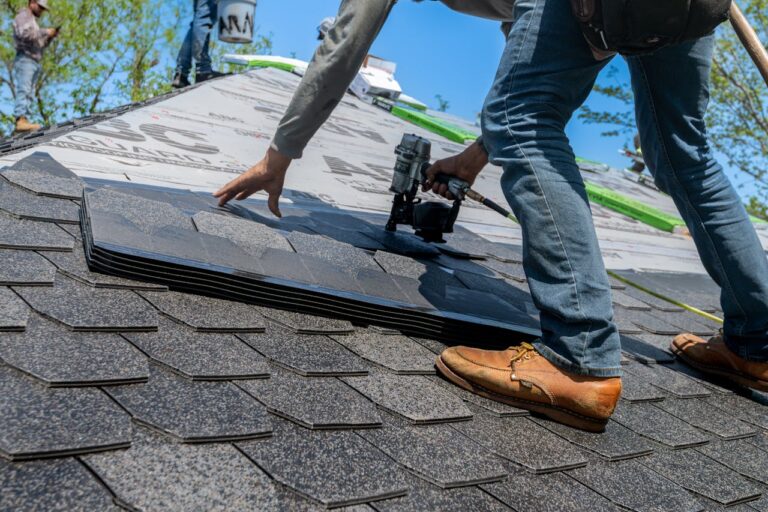
Traditional three, tab asphalt shingles might not impress durability enthusiasts, but architectural shingles? That’s a different story altogether. These enhanced versions can last 30 to 50 years with reasonable care, thanks to multiple layers of asphalt and reinforced fiberglass matting that deliver superior wind resistance, impact protection, and visual depth that flat shingles can’t touch. Modern architectural shingles pack some impressive technology under their surface, algae-resistant granules keep streaking at bay, enhanced adhesive strips grip tight during windstorms, and improved weathering compounds extend their functional life significantly. When homeowners need to install or replace premium roofing materials, professionals like Ace Roofing in Austin ensure proper installation techniques that maximize the lifespan of architectural shingles through adequate ventilation and precise application methods. The value proposition here is compelling: you get considerably better durability than basic shingles without the premium pricing of specialty materials, and contractors everywhere know how to work with them. Keep up with regular inspections, replace damaged shingles promptly, and maintain proper attic ventilation, do these things consistently, and you’ll push your architectural shingles toward the upper end of their lifespan range.
Wood Shakes and Shingles: Natural Beauty with Proper Care
Wood roofing materials, especially cedar shakes and shingles, bring an organic warmth and character that synthetic materials simply can’t replicate, delivering 30 to 50 years of service when you treat them right in suitable climates. Cedar isn’t just chosen for its looks, it contains natural oils that ward off insects and decay, making it far superior to other wood species for roofing applications. There’s something to be said for wood’s natural insulation properties too, which can contribute to your home’s energy efficiency while offering environmental sustainability when sourced from responsibly managed forests. Here’s where the commitment comes in: wood roofs demand more attention than other durable options, requiring periodic treatments with preservatives or fire retardants, regular cleaning to keep moss and algae from taking hold, and quick replacement of any split or damaged pieces.
Conclusion
Architectural asphalt shingles strike a practical balance between performance and affordability, perfect for homeowners seeking solid protection without breaking the bank, and wood shakes reward dedicated maintenance with unmatched natural beauty and character. When you understand what each material brings to the table, along with its limitations, you can confidently select a roofing solution that’ll protect your property effectively for decades while boosting both curb appeal and long-term property value.
