

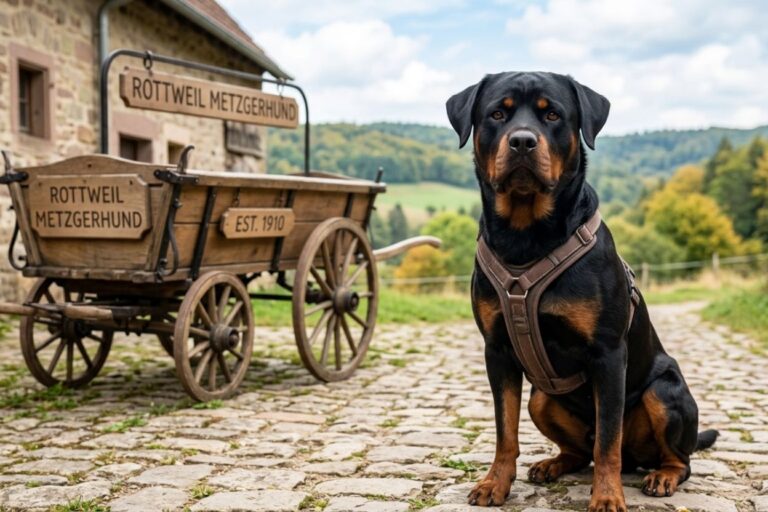
The magnificent canines known as rodwajlery are among the oldest and most fascinating breeds in human history. These muscular animals combine immense physical strength with a surprisingly gentle heart, making them exceptional companions for experienced dog owners. However, understanding their unique psychological traits and physical needs remains essential before bringing one into your household. This comprehensive exploration delves into the realities of raising a well-adjusted, healthy guardian companion.
The Deep Roots of a Legendary Working Breed
Historically, the fascinating lineage of rodwajlery dates back to the Roman Empire. Roman legions required sturdy, tireless dogs to drive livestock across treacherous mountain ranges during long military campaigns. Consequently, these ancient drover dogs travelled north over the Alps, eventually settling in the southwestern region of Germany.
Therefore, the specific town of Rottweil became the cultural epicentre for developing this powerful working canine. Local butchers utilised these strong animals to pull carts laden with meat and protect money pouches tied around their necks. For this reason, people initially called them the Rottweiler Metzgerhund, which translates directly to the butcher’s dog of Rottweil.
Eventually, the emergence of railway systems in the nineteenth century drastically reduced the need for traditional cattle driving. Nevertheless, the versatility of rodwajlery enabled them to transition seamlessly into alternative sectors. For example, municipal authorities quickly recognised their immense bravery, integrating them into early police departments and military units. Furthermore, these intelligent dogs served honourably in major international search-and-rescue operations throughout modern history.
Analysing the Distinct Physical Appearance of Rodwajlery
When you first observe rodwajlery, their powerful stature immediately commands absolute respect and admiration from onlookers. These medium-to-large canines possess a compact, heavily muscled build that perfectly balances agility with brute force. According to modern breed standards, adult males typically stand between 24 and 27 inches at the shoulder. On the other hand, female individuals are noticeably smaller, measuring 22 to 25 inches tall.
In terms of body mass, a healthy male specimen can weigh between 95 and 135 pounds. Meanwhile, adult females generally maintain a lighter weight range, usually fluctuating between 80 and 100 pounds. In addition, their broad chest provides ample space for large lungs, ensuring remarkable physical stamina during strenuous tasks.
Furthermore, the distinct facial features of rodwajlery include almond-shaped, dark brown eyes that exude calm confidence. Their powerful jaws meet in a perfect scissor bite, beneath a broad skull and moderately developed forehead. Moreover, their medium-sized triangular ears hang downward, effectively framing the face and softening their intimidating expression.
Understanding Coat Characteristics and Patterns
The outer coat of rodwajlery consists of a dense, straight topcoat accompanied by a short undercoat. Interestingly, this double coat provides excellent insulation against freezing rain, heavy snow, and extreme summer heat. Their striking colouration remains exclusively black with clearly defined markings of rich rust or deep mahogany.
Specifically, these rich markings appear over each eye, on the cheeks, and on the sides of the muzzle. You will also notice these distinct tan spots on the throat, chest, and lower segments of all four legs. However, the presence of any white markings is highly undesirable according to professional show criteria.
The Realities of Seasonal Shedding Cycles
Many prospective owners mistakenly assume that short-haired dogs do not shed much fur. In reality, rodwajlery are moderate shedders throughout the year, but they experience intense shedding seasons twice annually. During spring and autumn, they shed their thick undercoat to prepare for changing seasonal temperatures. Therefore, daily brushing becomes absolutely mandatory during these specific seasonal transitions to manage the airborne dander.
Unpacking the True Temperament of Rodwajlery
A common misconception portrays Rodwajlery as naturally aggressive, dangerous animals with unpredictable behavioural patterns. However, modern canine behavioural science proves that these dogs are inherently calm, devoted, and exceptionally good-natured. When properly socialised, they display a goofy, playful personality around their immediate family members while remaining aloof toward strangers.
Therefore, their innate guardian instinct should never be confused with unprovoked or uncontrolled hostility. These protective canines carefully observe their surroundings, adopting a cautious wait-and-see attitude before reacting to potential threats. Consequently, they rarely bark without a valid reason, choosing to use their imposing physical presence as a primary deterrent.
Furthermore, these dogs exhibit remarkable sensitivity to their human handlers’ emotional states. If you feel anxious or stressed, your companion will likely notice and sit close to offer comfort. This intense emotional bond makes them wonderful therapy animals, capable of supporting individuals dealing with severe post-traumatic stress.
Behaviour Around Young Children
When raised alongside kids, rodwajlery can be incredibly gentle, protective, and patient playmates. However, because of their massive size and ancient cattle-herding heritage, they might accidentally knock down small toddlers. For example, their natural instinct to bump objects with their bodies can cause accidental tumbles during active games. Therefore, adult supervision must remain constant during any interactions between young children and large dogs.
Compatibility with Other Household Pets
Introducing rodwajlery to other family pets requires careful planning, early exposure, and deliberate positive reinforcement. If you socialise them with cats and other canines during puppyhood, they generally coexist peacefully in the home. However, intact adult males may display territorial behaviour when forced to share space with unfamiliar male dogs.
Essential Training Strategies for Success
Training rodwajlery requires a confident handler who can establish clear boundaries without ever resorting to physical violence. Because these animals are highly intelligent, they quickly recognise weaknesses in leadership and may become stubborn. Therefore, consistency remains the absolute cornerstone of any successful educational regime for this powerful breed.
You should always implement positive reinforcement techniques, utilising high-value treats, affectionate praise, and engaging playtime rewards. Harsh punishments will only destroy the trust between you and your canine companion, potentially triggering defensive behaviour. For this reason, obedience training must begin the very day you bring your new puppy home.
Moreover, mental stimulation is just as vital as physical education for preventing destructive behavioural habits. If you leave an intelligent working dog alone without a job, they might chew furniture or dig holes. Therefore, incorporating puzzle toys, advanced scent work, and interactive tracking games will keep their minds sharp.
The Critical Role of Early Socialisation
To raise a well-adjusted adult, you must expose your puppy to diverse environments, sounds, and people. Take your young pet to bustling outdoor parks, busy street corners, and veterinary clinics during their formative months. This active exposure prevents their natural wariness of strangers from developing into problematic fear-based aggression later in life.
Mastering the Leash Walk
Given their immense muscular strength, teaching rodwajlery to walk politely on a leash is an absolute necessity. A full-grown adult can easily pull an average person off their feet if they decide to chase a squirrel. Therefore, you must teach the “heel” command early, ensuring the dog respects the leash tension at all times.
Exercise and Daily Activity Requirements
To maintain peak physical condition, adult rodwajlery require at least two hours of rigorous daily exercise. This routine should combine long brisk walks with off-leash running in securely fenced environments. In addition, these athletic canines thoroughly enjoy participating in organised dog sports like agility, obedience trials, and weight pulling.
However, you must avoid high-impact activities while your young puppy is still growing rapidly. Running on hard concrete or jumping over tall obstacles can place excessive stress on developing skeletal joints. Therefore, stick to gentle play sessions and short walks until your companion reaches at least eighteen months of age.
Furthermore, swimming is an exceptional low-impact exercise option for adult dogs, especially on hot summer days. Because their heavy bodies absorb heat quickly, swimming allows them to burn energy without overheating or straining ligaments. Always ensure your pet has access to clean drinking water and shady resting spots during any outdoor excursions.
Nutrition and Dietary Management
Providing optimal nutrition is crucial for supporting the massive bone structure and lean muscle mass of rodwajlery. Because they are prone to rapid growth, puppies require specialised large-breed formulas to manage skeletal development. These specific commercial diets contain carefully balanced ratios of calcium and phosphorus to prevent painful bone deformities.
As your dog matures into adulthood, their caloric requirements will depend heavily on their daily activity levels. Active working dogs need nutrient-dense kibble with a high protein content, derived from quality sources such as chicken, beef, or fish. Conversely, sedentary household companions require fewer calories to prevent unhealthy weight gain.
Preventing the Dangers of Obesity
Unfortunately, rodwajlery possess a natural tendency to overeat, making them highly susceptible to canine obesity. Carrying extra pounds puts immense strain on their joints, accelerating the development of painful arthritis. Therefore, you must measure every food portion accurately and strictly limit the consumption of fatty table scraps.
Understanding Bloat and Gastric Torsion
Like many deep-chested canine breeds, these dogs face a serious risk of developing Gastric Dilation-Volvulus, commonly known as bloat. This life-threatening medical emergency occurs when the stomach fills with gas and twists upon itself, trapping contents and blocking blood flow. To mitigate this danger, divide your dog’s daily food allowance into two separate meals and avoid exercise immediately after eating.
Health Care and New Longevity Findings
While generally considered a robust and hearty breed, the breed is predisposed to certain hereditary health conditions. Responsible breeders perform extensive genetic screening on parent dogs to minimise the transmission of these debilitating ailments. Therefore, researching a puppy’s medical history before purchasing remains a vital step for every prospective pet parent.
The average lifespan for these large canines ranges between 8 and 12 years with proper veterinary care. Regular checkups, up-to-date vaccinations, and proactive parasite prevention are essential components of maintaining their overall well-being. Furthermore, investing in comprehensive pet insurance early in life can help manage the financial costs of unexpected medical emergencies.
Rethinking Spay and Neuter Timing
Recent breakthroughs from the long-running Exceptional Ageing in Rottweilers Study have fundamentally shifted veterinary protocols regarding surgical sterilisation timings. Data published leading into 2026 establishes that gonadal hormones act as vital architects safeguarding canine skeletal systems and late-life immunity. Specifically, early spaying or neutering before twelve months drastically escalates the long-term risk of cranial cruciate ligament tears and aggressive bone cancers like osteosarcoma.
Therefore, current veterinary guidelines strongly recommend delaying these elective surgeries until the dog reaches physical maturity, typically between 18 and 24 months. For male individuals, preserving testicular exposure for as long as responsibly possible significantly reduces late-life frailty and total mortality metrics. Consequently, owners must carefully manage intact adolescents through focused leash control rather than rushing into premature surgical interventions.
Emerging DNA Health Screenings
Modern veterinary screening protocols now mandate comprehensive DNA testing panels to eradicate devastating hereditary conditions before dogs enter breeding lineages. Beyond traditional hip evaluations, ethical preservation breeding programs utilise advanced SNP genetic profiling markers to identify hidden carriers of rare neurological issues. For example, dogs must be tested completely clear of Leukoencephalomyelopathy (LEMP-2), alongside standard panels for progressive eye disease.
Additionally, the mandatory testing for Juvenile Laryngeal Paralysis and Polyneuropathy, or JLPP, continues to save thousands of newborn puppies from respiratory failures. These state-of-the-art testing mechanisms guarantee that targeted matings never combine matching carrier genes, effectively securing a healthier future for generations of puppies.
Cardiovascular Screening Practices
Subaortic stenosis remains a critical inherited heart defect affecting this particular deep-chested working breed. This serious condition involves an abnormal narrowing of the left ventricular outflow tract, forcing the heart muscle to work harder than normal to pump oxygenated blood. Therefore, annual cardiac evaluations utilising advanced echocardiogram monitoring are highly recommended by leading veterinary cardiologists worldwide.
Owners should watch closely for subtle early warning signs, including unexplained exercise intolerance, sudden lethargy, or brief fainting spells during play. Early diagnosis allows for targeted medical management with beta-blockers, helping affected canines live remarkably comfortable lives.
Joint Dysplasia and Arthritic Management
This common skeletal condition occurs when the hip or elbow joints fail to fully develop, leading to gradual misalignment. Over time, the constant friction leads to painful inflammation, lameness, and the early onset of severe arthritis. Veterinary doctors can manage mild cases with joint supplements and anti-inflammatory medications, though severe instances may require expensive orthopaedic surgery.
Grooming and Basic Maintenance Routines
Maintaining the short coat of rodwajlery is relatively simple, requiring minimal time commitment compared to long-haired breeds. Weekly brushing with a firm bristle brush or a rubber grooming mitt is sufficient to remove loose fur. This simple routine also helps distribute natural skin oils, keeping their dark coat looking exceptionally shiny and vibrant.
Bathing your companion is only necessary every six to eight weeks, unless they happen to roll in something foul. Always use a mild, dog-specific shampoo to avoid drying out their skin or causing irritating allergic reactions. In addition, you should inspect their large paw pads regularly for painful cracks, embedded thorns, or minor skin infections.
Moreover, dental hygiene must never be neglected, as tartar buildup can lead to systemic infections affecting internal organs. Brush your dog’s teeth multiple times each week using specialised canine toothpaste and an appropriately sized toothbrush. Finally, trim their thick black nails regularly to prevent uncomfortable overgrowth that could alter their natural walking gait.
Is a Rodwajler the Right Choice for Your Home?
Deciding to bring one of these powerful animals into your life requires honest self-reflection regarding your lifestyle and experience. These dogs are definitely not recommended for first-time owners who lack confidence in managing large, dominant breeds. They demand significant time, financial resources, and emotional energy to thrive within a human household.
However, if you can provide firm leadership, consistent obedience training, and abundant daily exercise, the rewards are unmatched. You will gain an intensely loyal, loving companion who will gladly protect your family with unwavering courage. Ultimately, the incredible rodwajlery stand out as magnificent examples of canine devotion, strength, and intellectual capability.
