

Key Takeaways
- Lightning risks to energy infrastructure are increasing due to more extreme weather.
- Renewable systems like wind and solar are especially vulnerable to strikes.
- Traditional protection methods are no longer sufficient on their own.
- AI and real-time monitoring improve lightning threat prediction and response.
- Preventive measures and maintenance reduce damage, downtime, and costs.
- Proactive risk management strengthens reliability and long-term resilience.
Lightning strikes pose substantial challenges for energy infrastructure, leading to equipment failures, downtime, and safety threats to personnel and communities. As reliance on advanced energy solutions grows, understanding and managing lightning risks moves to the forefront of industry initiatives. To effectively control these risks, many organizations are now leveraging AI lightning risk management technology. These solutions enable energy producers and distributors to proactively address vulnerabilities rather than rely on reactive measures.
The unpredictable nature of lightning demands innovative approaches to risk assessment and prevention. With the shift toward renewable energy and digital operations, it becomes critical for energy providers to implement comprehensive protective strategies. Lightning is not only a rare phenomenon; it is a familiar danger that impacts both urban and remote energy systems. As climate patterns shift and lightning activity increases, addressing these escalating hazards is essential to uninterrupted, reliable energy delivery.
Rising Incidence of Lightning Strikes
Global data highlights a marked increase in lightning frequency and intensity, particularly in areas with significant energy infrastructure. According to recent reports, the United States recorded approximately 252 million lightning events in 2025, a 20 percent increase from the previous year. This surge underscores the need for robust risk management, particularly as climate change is driving more volatile weather.
Impact on Renewable Energy Installations
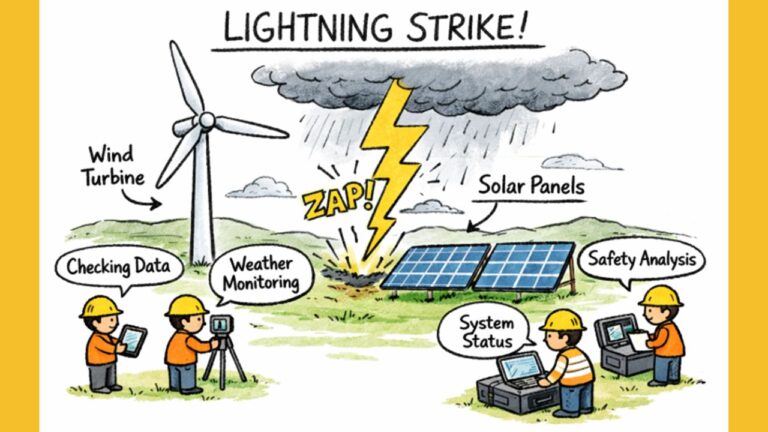
Renewable energy assets, such as wind turbines and solar farms, are particularly susceptible to lightning strikes. The elevated structures of wind turbines and their large surface areas make them frequent targets for lightning strikes, with studies revealing that almost one-third of wind turbines in the US were struck by lightning in 2025. These strikes often lead to costly repairs, extended outages, and even complete shutdowns.
Similarly, solar power facilities connected to intricate transmission networks face significant danger from lightning-induced overvoltages and faults. Sensitive electronics in solar inverters and controllers can be compromised, leading to cascading failures that affect both generation and distribution. This growing vulnerability underscores the necessity for specialized risk assessments focusing on renewable installations.
Challenges in Traditional Lightning Protection
Time-tested solutions such as lightning rods, mesh air terminals, and extensive grounding systems offer essential, but limited, defense. These traditional protections primarily mitigate the destructive energy released when lightning strikes, rather than preventing the strike or protecting against electromagnetic disturbances. High-tech electronics and digital sensors, integral to modern grids, remain particularly vulnerable to indirect and sometimes untraceable lightning effects.
Another challenge is that retrofitting legacy infrastructure with new protective methods can be costly and logistically complex. These gaps make a compelling case for more integrated and predictive risk management strategies to supplement legacy hardware.
Advancements in Lightning Risk Assessment
Revolutionary changes in risk assessment are emerging thanks to artificial intelligence and data-driven modeling. Deep learning and machine learning techniques are transforming how the industry forecasts, monitors, and manages lightning risk. For example, AI platforms analyze massive volumes of historical lightning and meteorological data, providing advanced warnings and helping energy operators make faster, more informed decisions. Real-time sensor arrays connected through IoT seamlessly integrate weather monitoring with immediate action protocols.
In tandem, AI-based safety systems are redefining reliability benchmarks for transmission networks, offering insight into trends and vulnerabilities that were previously invisible.
Implementing Preventive Measures
- Advanced Monitoring Systems: Deployment of sophisticated sensors and analytics platforms allows for enhanced detection and analysis of lightning activity, facilitating swift response to potential strikes.
- Surge Protection Devices: Installation of surge protectors on electrical and communication lines protects equipment from transient overvoltages that follow a lightning strike.
- Regular Maintenance and Inspections: Consistent evaluation and testing of existing lightning protection infrastructure help ensure vulnerabilities are identified and addressed before they can lead to system failure.
Implementing these best practices not only minimizes immediate risks but also ensures resilience as energy systems expand and evolve within increasingly unpredictable environments.
Economic Implications
Financial losses linked to lightning events extend far beyond repair costs. Disrupted service delivery, energy market volatility, and diminished consumer trust can lead to long-term consequences for utilities. According to industry estimates, even brief shutdowns can cost operators millions in lost revenue, replacement equipment, and liability expenses. Investment in prevention, particularly through proactive monitoring and analytics, consistently proves more cost-effective than bearing these repeated damages and interruptions.
Moreover, lightning risk management aligns with broader risk reduction and climate resilience strategies, helping businesses meet regulatory expectations while safeguarding critical assets.
Final Thoughts
As global lightning activity increases and critical energy systems grow more complex, a proactive, technology-driven approach to lightning risk management becomes imperative. Utilities and developers integrating modern analytics, AI prediction models, and upgraded protective components can dramatically reduce downtime, repair expenses, and safety incidents. These measures will be fundamental in enabling a reliable, sustainable, and lightning-resilient future for energy worldwide.
