

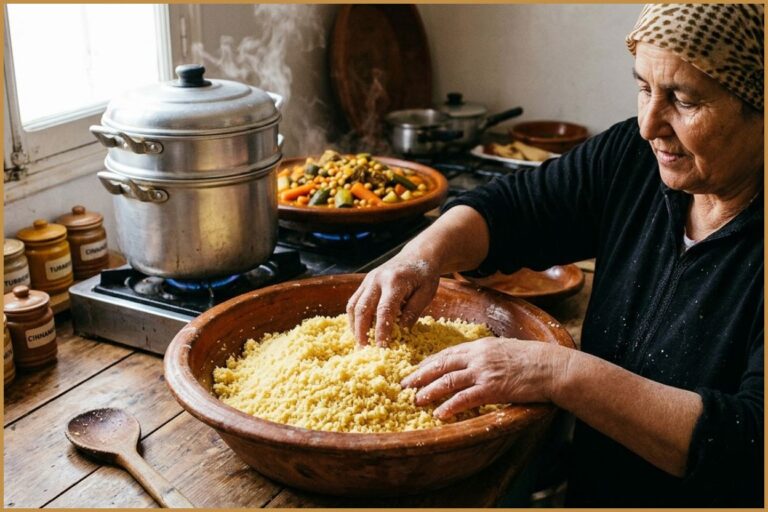
When we explore the rich tapestry of Mediterranean and North African flavours, few dishes carry as much cultural weight as kouskousi. This ancient grain base serves as the heartbeat of countless family gatherings. While many people recognise it as a simple side dish, true enthusiasts understand that it is a versatile masterpiece. In 2026, the global interest in authentic, slow-cooked meals has brought this traditional staple back into the spotlight.
The beauty of kouskousi lies in its simplicity and its ability to absorb the essence of the ingredients it pairs with. Whether you are steaming it over a fragrant lamb stew or tossing it with fresh, seasonal vegetables, the texture remains paramount. Each tiny grain should be light, fluffy, and separate. Achieving this perfection requires a blend of high-quality semolina and a bit of patience.
The Historical Roots of This Ancient Grain
Tracing the history of kouskousi takes us back centuries to the Berber civilisations. Originally, artisans handcrafted these grains by rolling semolina flour with a touch of salted water. Consequently, the dish became a symbol of hospitality and abundance across the Maghreb region. As trade routes expanded, the culinary techniques travelled to Sicily, Greece, and beyond.
In modern times, we see various regional adaptations that highlight local produce. For instance, Tunisian variations often lean toward spicy harissa bases, while Moroccan styles favour the sweetness of raisins and caramelised onions. Understanding these roots helps us appreciate why kouskousi remains a beloved comfort food for millions of people today.
The Evolution of Preparation Methods
Historically, women would gather to hand-roll grains, a process that fostered community bonds. However, the 21st century introduced high-quality pre-rolled options that save time without sacrificing too much flavour. Even so, many chefs in 2026 still advocate for the traditional steaming method using a “kouskoussier.” This two-tiered pot allows the grains to cook in the rising steam of the stew below, infusing them with deep aromatic notes.
Essential Ingredients for the Perfect Dish
To create a memorable kouskousi meal, you must start with the right components. Quality semolina is the foundation, but the supporting cast of vegetables, meats, and spices determines the final character. In 2026, organic and locally sourced ingredients have become the gold standard for home cooks.
- Semolina Grains: Choose medium or fine grains depending on your texture preference.
- Aromatic Base: Onions, garlic, and celery provide the essential depth.
- The Spice Palette: Cumin, coriander, turmeric, and cinnamon are non-negotiable for an authentic profile.
- Proteins: Chickpeas are a staple, often accompanied by lamb, chicken, or white fish.
- Seasonal Vegetables: Carrots, zucchini, and pumpkin add sweetness and vital nutrients.
Selecting the Right Fat for Flavour
Butter or high-quality olive oil acts as the lubricant that keeps the grains from clumping. In traditional recipes, “smen”—a fermented, aged butter—is used to add a pungent, nutty undertone. If you prefer a lighter touch, a cold-pressed extra virgin olive oil works beautifully. Furthermore, adding the fat at the very end of the steaming process ensures that the kouskousi glistens and melts in your mouth.
Step-by-Step Guide to Steaming Kouskousi
Preparation is the most critical phase of the cooking process. Many beginners make the mistake of boiling the grains like rice. Instead, you should treat kouskousi with more delicacy. By following these steps, you will ensure a fluffy result every single time.
Initial Preparation and Moistening
First, place your dry grains in a large, shallow bowl. Sprinkle a small amount of water over them while using your fingers to rake through the mixture. This step ensures that every grain is slightly damp but not soaked. Afterwards, let the mixture rest for about ten minutes to allow the moisture to penetrate the outer layer.
The First Steam Cycle
Transfer the moistened grains into the top part of the steamer. Make sure the water or broth in the bottom pot is already boiling vigorously. Steam the kouskousi for about 20 minutes, until you see steam rising through the grains. Subsequently, return the grains to the large bowl and break up any small lumps with a fork or a traditional wooden spoon.
Final Finishing Touches
Add a second splash of water, a pinch of salt, and a drizzle of oil. Repeat the steaming process once more. This double-steaming method is the secret to the airy texture that defines professional-grade kouskousi. Finally, toss in a knob of butter or smen right before serving to lock in the moisture.
Regional Variations You Must Try
Because kouskousi is so adaptable, every culture has put its unique stamp on the recipe. Exploring these variations allows you to experience a wide range of flavour profiles from spicy to savoury and even sweet.
The Moroccan Seven-Vegetable Style
This version is perhaps the most famous globally. It typically features a rich medley of carrots, turnips, pumpkin, cabbage, zucchini, onions, and chickpeas. The combination of seven vegetables is thought to bring good luck. Moreover, the addition of saffron and ginger creates a golden, fragrant broth that is simply irresistible.
Tunisian Spicy Seafood Kouskousi
Tunisia is known for its love of heat and its proximity to the Mediterranean Sea. Therefore, their version often incorporates fresh fish, shrimp, or squid. The broth is heavily seasoned with harissa, giving the kouskousi a vibrant red hue. If you enjoy bold, fiery flavours, this coastal adaptation will definitely satisfy your palate.
Health Benefits of Kouskousi in 2026
As we become more conscious of our dietary choices, kouskousi stands out as a healthy alternative to heavy pastas or processed white rice. It is naturally low in fat and provides a decent amount of plant-based protein. Additionally, it is an excellent source of selenium, a powerful antioxidant that supports heart health and the immune system.
A Great Source of Fibre
Whole-grain semolina options are widely available in 2026, offering even more fibre for digestive health. When you pair kouskousi with a variety of vegetables and legumes, you create a low-glycemic index meal. Consequently, this helps in maintaining steady energy levels throughout the day without the typical “sugar crash” associated with refined carbs.
Vegetarian and Vegan Versatility
For those following a plant-based lifestyle, kouskousi is a dream ingredient. It serves as a hearty canvas for roasted cauliflower, pomegranate seeds, and toasted almonds. Because it cooks so quickly, it is also a favourite for meal prepping, as it stays fresh and flavorful in the refrigerator for several days.
Modern Cooking Innovations and Trends
In 2026, we are seeing a fusion of traditional techniques with modern technology. Smart steamers and precision cookers have made it easier for busy individuals to enjoy kouskousi without spending hours in the kitchen. Nevertheless, the dish’s core principles remain unchanged.
Infused Grains and New Flavours
One growing trend involves infusing the grains themselves during the steaming process. For example, some chefs add beet juice to the steaming water to turn the kouskousi a brilliant pink. Others use tea-infused liquids to add subtle earthy notes. These innovations keep the dish exciting for a new generation of food lovers.
Kouskousi as a Salad Base
While traditionally served warm with a stew, cold kouskousi salads have become increasingly popular. Mixing the grains with fresh parsley, mint, cucumber, and lemon juice creates a refreshing summer dish known as Tabouli-style. This flexibility ensures that the grain remains a staple in both winter and summer menus.
Common Mistakes to Avoid
Even seasoned cooks can sometimes struggle with the texture of their kouskousi. To ensure your success, keep these common pitfalls in mind. Avoid over-hydrating grains initially, as this can lead to a mushy, porridge-like consistency. Always use your hands to feel the texture; your fingers are the best tools for detecting clumps.
Do Not Skip the Resting Phase
Patience is a vital ingredient. If you rush the steaming or the resting periods, the grains will not expand fully. Furthermore, ensure that the seal between the bottom and top pot of your steamer is tight. If steam escapes through the sides, the kouskousi will cook unevenly, leaving some parts dry and crunchy.
Balancing the Seasoning
Since the grains themselves are quite neutral, they rely heavily on the broth for flavour. Therefore, you must season your stew generously. However, be careful not to oversalt the grains directly. Instead, let the saltiness come from the dish’s combined elements for a more balanced experience.
Conclusion: Bringing the Tradition Home
Embracing kouskousi in your kitchen is more than just learning a recipe; it is about connecting with a global culinary heritage. This dish represents the perfect balance of nutrition, flavour, and artistry. Whether you are cooking for a large family or preparing a simple meal for one, the versatility of these golden grains is unmatched.
As we look forward through 2026, the importance of wholesome, soul-warming food continues to grow. By mastering the art of the steam and choosing the freshest ingredients, you can turn a simple pile of semolina into a gourmet experience. So, grab your steamer, gather your spices, and start your journey into the delicious world of kouskousi today. You will soon discover why this dish has stood the test of time and continues to capture hearts around the world.
