

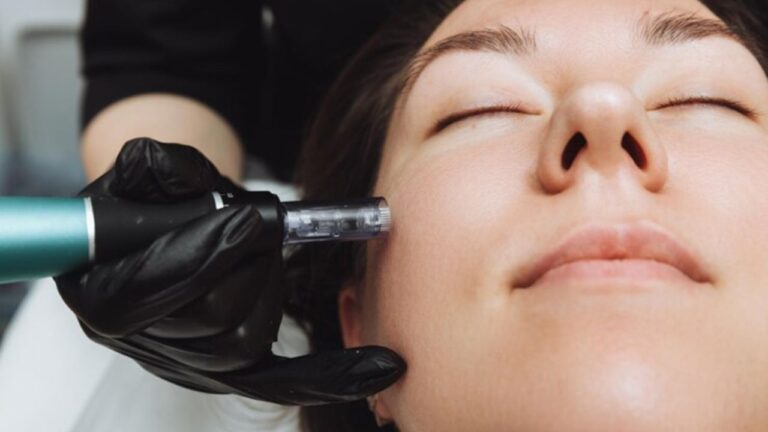
Understanding Microneedling and How It Works
Microneedling is a skin treatment commonly used in Cambridge clinics to improve a range of skin concerns such as acne scars, fine lines, uneven texture, and pigmentation. It works by using very fine needles to create controlled micro-injuries on the skin. These tiny punctures trigger the body’s natural healing response, encouraging the production of collagen and elastin, which are essential proteins for firm, smooth, and healthy-looking skin.
The treatment is considered minimally invasive and is usually performed using professional devices that allow precise control over needle depth. This makes it suitable for different skin types and concerns, depending on individual assessment.
By encouraging skin regeneration from within, microneedling focuses on gradual, natural-looking improvements rather than instant changes. Over time, the skin becomes smoother, more even in tone, and better structured.
What Skin Concerns Can Microneedling Help With
Acne Scars and Uneven Texture
One of the most common reasons people choose microneedling in Cambridge is to reduce the appearance of acne scars. The controlled injury process helps break down old scar tissue while stimulating new skin cell growth. This leads to a gradual smoothing of the skin’s surface.
It is also widely used for general skin texture issues, including rough patches and enlarged pores. As collagen production increases, the skin becomes more refined and balanced in appearance.
Fine Lines and Early Signs of Ageing
Microneedling is often used for early ageing concerns such as fine lines around the eyes, mouth, and forehead. As collagen levels naturally decrease with age, the skin begins to lose elasticity and firmness.
By stimulating new collagen production, microneedling helps improve skin structure, which can soften the appearance of fine lines over time. This makes it a popular option for individuals looking for gradual skin rejuvenation without more intensive procedures.
Pigmentation and Uneven Skin Tone
Uneven skin tone, sun damage, and mild pigmentation can also be improved with microneedling. The skin’s healing response helps replace damaged cells with healthier ones, supporting a more even complexion.
While results vary depending on the severity of pigmentation, consistent treatment can help improve overall brightness and clarity of the skin.
Microneedling vs Laser Hair Removal in Cambridge Treatments
When exploring skin treatments in Cambridge, it is common to compare microneedling with other procedures such as laser hair removal in Cambridge . While both are popular, they serve very different purposes.
Laser hair removal focuses on reducing or removing unwanted hair by targeting hair follicles with light energy. It does not directly treat skin texture, scars, or collagen levels.
Microneedling, on the other hand, is designed specifically for skin renewal and collagen stimulation. According to clinical comparisons, laser treatments are generally more suited for pigmentation and hair-related concerns, while microneedling is more effective for texture, scarring, and overall skin quality improvements.
Some laser-based skin treatments can also target texture issues, but they often involve different recovery times and are chosen based on the specific concern being treated.
What to Expect During a Microneedling Session
Consultation and Skin Assessment
Before treatment, a consultation is usually carried out to assess skin condition, medical history, and suitability. This step is important because not all skin types or conditions respond the same way to microneedling.
The practitioner will also discuss goals, such as reducing scars, improving texture, or addressing early signs of ageing, to tailor the treatment plan.
The Treatment Process
During the procedure, a numbing cream is often applied to reduce discomfort. A handheld device is then moved across the skin to create controlled micro-injuries.
The session typically lasts between 30 to 60 minutes depending on the area being treated. Most people describe the sensation as mild pressure or light scratching rather than pain.
Aftercare and Recovery
After microneedling, the skin may appear red and feel slightly sensitive, similar to mild sunburn. This usually settles within a few days.
Proper aftercare is important and may include avoiding active skincare products, limiting sun exposure, and keeping the skin well hydrated. As the skin heals, results gradually begin to appear over several weeks.
Benefits of Choosing Microneedling in Cambridge
Minimal Downtime
One of the main advantages of microneedling is that it requires relatively little downtime. Most people can return to normal daily activities within 24 to 48 hours, depending on skin sensitivity.
Suitable for Different Skin Types
Microneedling is generally suitable for a wide range of skin types and tones. Unlike some laser treatments, it does not rely on targeting pigment, making it a flexible option for many individuals.
Natural-Looking Results
Because microneedling works by stimulating the body’s natural healing process, the results develop gradually. This leads to subtle and natural improvements rather than dramatic or artificial changes.
Long-Term Skin Improvement
With repeated sessions, microneedling can support long-term improvements in skin quality. Collagen production continues to improve skin strength and elasticity over time, making results more noticeable with consistency.
Is Microneedling Right for Your Skin Concerns
Microneedling in Cambridge may be suitable if you are looking to improve:
- Acne scarring or post-acne marks
- Uneven skin texture or enlarged pores
- Fine lines and early ageing signs
- Mild pigmentation or sun damage
- Overall skin smoothness and firmness
However, it may not be the best choice for everyone. Individuals with active skin infections, certain skin conditions, or specific medical concerns may need alternative treatments. A professional consultation is always necessary to determine suitability.
Conclusion
Microneedling is a widely used skin treatment in Cambridge for individuals seeking gradual, natural improvement in skin texture, tone, and firmness. By stimulating collagen and elastin production, it helps address concerns such as acne scars, fine lines, and uneven pigmentation.
While treatments like laser hair removal focus on completely different goals, microneedling is centred on skin regeneration and overall quality improvement. With minimal downtime and a broad range of applications, it can be a suitable option for many people looking to enhance their skin health in a controlled and gradual way.
