

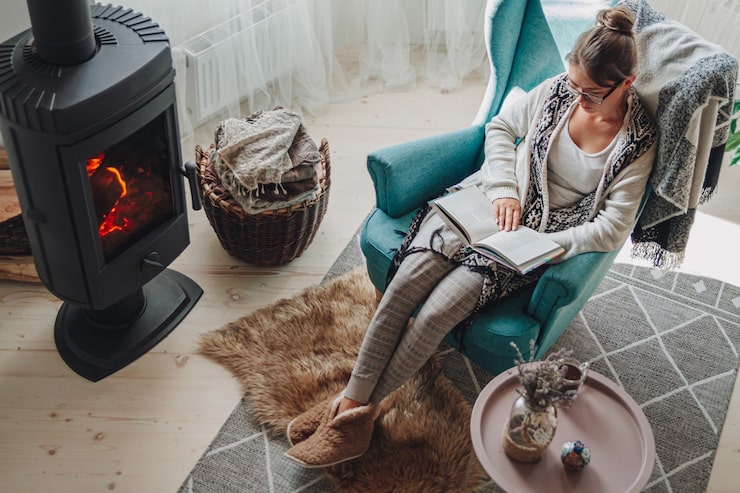
A living room can feel cold or flat even when the furniture is good and the colour scheme works. Often, the problem is not the room itself but the way it is lit and layered.
The good news is that a warmer, more inviting space does not always need a full redecoration. Small changes to lighting, texture, layout and accessories can completely change the atmosphere without replacing major pieces of furniture or repainting the walls.
For many homes, the quickest improvements come from changing how the room feels in the evening, when artificial lighting has the biggest impact.
Start with the Lighting
Lighting has a huge influence on whether a living room feels cosy or clinical.
A single bright ceiling light can make the room feel flat, especially at night. It gives plenty of illumination, but very little atmosphere. Softer light sources placed at different heights usually create a much more comfortable effect.
This can include:
- Floor lamps beside seating areas
- Table lamps on sideboards or side tables
- Wall lights to soften darker corners
- A central ceiling light used at a lower brightness
Using a mix of living room lights makes it easier to create different moods depending on how the room is being used.
The aim is not to make the room dark. It is to avoid relying on one harsh source of light for everything.
Choose Warmer Bulb Temperatures
The colour temperature of a bulb can completely change the feel of a room.
Cool white light can be useful in kitchens, offices and task areas, but it may feel too stark in a living room. Warmer bulbs usually create a softer and more relaxed atmosphere.
A warm white tone is often more comfortable for evenings because it works well with wood, fabrics and neutral colours.
Dimmable bulbs can also help because they allow the brightness to change throughout the day. Brighter light may be useful earlier, while lower levels work better later in the evening.
Add More Texture
A room can feel visually cold if every surface is smooth and hard.
Adding texture is one of the easiest ways to make it feel warmer without changing the main furniture. Rugs, cushions, throws and curtains can all help soften the space.
Useful materials include:
- Wool
- Linen
- Boucle
- Velvet
- Woven fabrics
- Natural fibres
Mixing a few different textures can make the room feel more layered and comfortable.
After adding texture, it is usually better to keep the colour palette fairly controlled. Too many competing colours can make the room feel busier rather than warmer.
Use Rugs to Anchor the Room
A rug can make a major difference to the way a living room feels.
Without one, furniture can sometimes look as if it is floating separately around the room. A well-sized rug helps pull the seating area together and creates a clearer sense of comfort.
This is especially useful in rooms with hard flooring such as wood, laminate or tile.
The rug does not need to be heavily patterned. A simple textured design can add warmth without becoming the main feature.
Soften Dark Corners
Dark corners can make a room feel unfinished.
Instead of trying to light the entire space from the ceiling, use lamps to bring smaller areas into the room. A floor lamp behind an armchair or a table lamp on a console can make the layout feel more balanced.
This is particularly effective in larger living rooms where one central light struggles to reach every area properly.
Small pools of warm light can make the room feel more intimate and comfortable.
Bring in Natural Materials
Natural materials tend to make interiors feel warmer.
Wood, rattan, stone, ceramic and woven materials can all add a softer, more relaxed feel without needing a major renovation.
A wooden side table, ceramic lamp, woven basket or timber picture frame can be enough to break up a room that feels too polished.
These details also work well with modern interiors because they add character without creating clutter.
Rearrange the Furniture
Sometimes the room feels cold simply because the furniture layout is not working.
If everything is pushed against the walls, the space can feel disconnected. Bringing seating slightly closer together can make the room feel more social and comfortable.
Think about how the space is actually used. Chairs should face each other where possible, side tables should be easy to reach and lighting should support the seating arrangement.
Small layout changes can make the room feel much more intentional.
Use Mirrors Carefully
Mirrors can help spread natural and artificial light around the room.
Placed opposite or near a window, they can reflect daylight into darker areas. In the evening, they can also reflect lamp light and make the space feel brighter without needing stronger bulbs.
The key is placement. A mirror should reflect something useful or attractive rather than simply being added because the wall feels empty.
Used well, it can help the room feel lighter and more spacious.
Add Personal Details
A warm living room should feel lived in.
Books, framed photographs, artwork, candles and decorative objects can all add personality. The goal is not to fill every surface, but to avoid making the room feel too staged or impersonal.
A few carefully chosen pieces usually work better than lots of small items.
Personal details help turn a well-designed room into a space that actually feels like home.
Final Thoughts
Making a living room feel warmer does not always require new furniture or a full redecoration.
Lighting, texture, rugs, natural materials and better furniture placement can all change the atmosphere quickly. The biggest improvement often comes from using several softer light sources instead of relying on one bright ceiling fitting.
When these small changes are combined, the room can feel calmer, more comfortable and much more inviting without the cost or disruption of starting again.
