

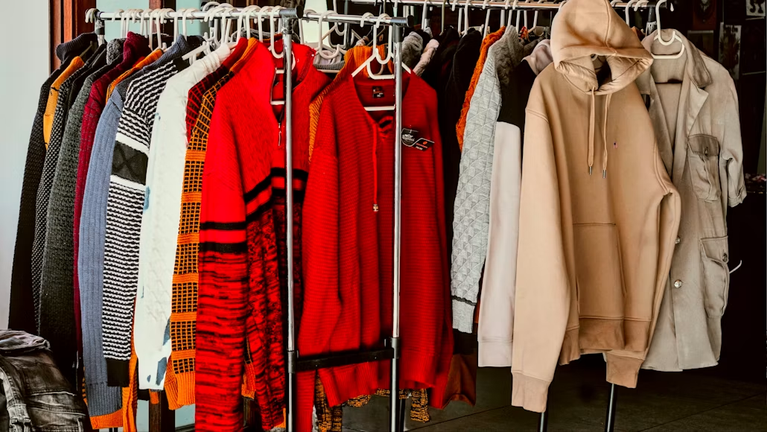
Streetwear stopped being a subculture some years ago and became, in effect, the default aesthetic of casual dressing. What’s less widely discussed is how thoroughly that shift has bled into business branding. The hoodie, once a garment associated almost entirely with skate culture and independent clothing labels, is now the default piece of merchandise for businesses of every kind, from law firms hosting a staff away day to independent coffee roasters building a following.
The business logic behind the aesthetic
There’s a practical reason this works well for business branding specifically. Businesses sourcing plain hoodies for printing rather than fully custom garments can iterate quickly on design and colourway without committing to large production runs, testing what resonates with their particular audience before scaling up. A design that looks right for one brand’s customer base can look entirely wrong for another, and the ability to test cheaply, in small batches, before committing is a meaningful advantage over locking into one design through a bespoke manufacturing process.
Why the hoodie became the default canvas
Part of the appeal is aesthetic. A logo printed on a well-cut hoodie reads as considered and current in a way the same logo on a polo shirt simply doesn’t, borrowing credibility from streetwear’s established visual language of understated branding, quality fabric and a slightly relaxed fit.
Businesses tapping into that aesthetic aren’t necessarily trying to look like a streetwear label; they’re borrowing a visual vocabulary that customers already associate with quality and intention, rather than corporate obligation.
From staff kit to genuine merchandise
What’s notable is how many businesses have moved beyond using this simply as staff uniform and started selling branded hoodies directly to customers, treating them as a genuine product line rather than a promotional afterthought.
Independent cafés, small publishers, even architecture practices have found a market among people who like the brand enough to want to wear it, a shift that would have seemed unlikely a decade ago when merchandise was still seen as something only entertainment and sports brands did credibly. For some smaller operators, merchandise sales now sit alongside their core product as a genuine, if modest, revenue line.
Who’s doing it well
Independent hospitality brands have been particularly quick to adopt this approach, treating a hoodie as seriously as they’d treat their packaging or interior design. The best examples share a few traits: a restrained, well-placed logo rather than a loud one, a fabric weight that feels substantial rather than cheap, and a fit that flatters rather than simply covers, choices that mirror exactly what independent streetwear labels have been doing for years, just applied to a completely different kind of business.
The risk of getting the aesthetic wrong
Not every attempt succeeds. A hoodie that leans too heavily into corporate branding, oversized logo, standard font, no attention to placement or fabric, tends to read as exactly what it is: promotional material rather than a genuine piece of clothing someone would choose.
Brands doing this well typically invest real thought into the same details a streetwear label would: fabric weight, fit, print placement, and restraint in how prominently the logo actually appears.
Fit and fabric as brand signals
It’s easy to underestimate how much fit and fabric communicate before anyone has even registered the logo. A heavier, well-constructed garment signals quality and intention in the same way good packaging does for a product, while a thin, poorly cut one undercuts even a well-designed logo. Brands that understand this treat the garment itself, not just what’s printed on it, as part of the design decision.
Collaborations have accelerated the trend
Limited collaborations between independent brands and small clothing labels have played a part in normalising this aesthetic within business branding more broadly. Seeing two small, culturally credible brands produce a joint piece of clothing has made the format feel less like corporate merchandise and more like a genuine cultural artefact, something worth having rather than something handed out because a business had a logo it needed to put somewhere.
That halo effect has rubbed off on more conventional businesses too, encouraging them to treat their own branded clothing with a similar level of creative seriousness.
Why restraint ages better than boldness
Loud, oversized branding tends to date quickly, tied visibly to the particular design trends of the year it was printed. A more restrained approach, small logo, considered placement, quality fabric, tends to age considerably better, remaining wearable years after the initial print run rather than becoming an obvious relic of a specific season.
Brands playing a longer game with their merchandise increasingly favour this kind of restraint precisely because it extends the useful life of each garment, and by extension, the length of time it continues doing quiet promotional work in someone’s regular wardrobe.
A cultural shift
It’s tempting to read all of this purely as an aesthetic trend, a case of business branding catching up with what streetwear got right years ago. But underneath the aesthetic sits a genuinely useful commercial mechanism: clothing that people choose to wear, repeatedly and for free, is one of the most efficient forms of brand exposure a small business can access, and streetwear’s visual language simply happens to be the one currently best suited to making people want to wear it.
Where this trend goes from here
As the line between staff uniform and brand merchandise customers actually want to buy continues to blur, expect more businesses well outside traditional streetwear or fashion spaces to treat their branded clothing with the same design seriousness they’d apply to a website or a shopfront. It’s a small piece of a much bigger cultural shift, but one that’s proving unusually durable as a business tool.
