

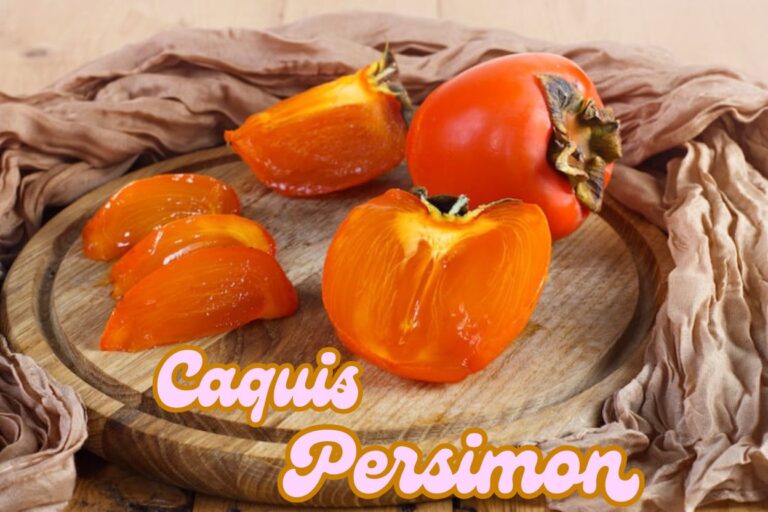
The Golden Superfruit Revolution
The global demand for exotic, health-promoting fruits has reached an unprecedented high in 2026. Among these natural treasures, the caquis persimon stands out as an exceptional autumn and winter delicacy. This vibrant orange fruit belongs to the Diospyros kaki family, which has been cultivated historically across East Asia.
Modern agricultural innovation has expanded its footprint across Europe, particularly on the sunny hillsides of Spain. Consumers frequently praise this unique variety for completely redefining the traditional persimmon-eating experience. For many years, people associated older varieties with an intense, mouth-puckering astringency when firm.
However, the special caquis persimon variety changes everything by delivering a crisp, sweet bite from the very first moment. Understanding the unique qualities of this fruit can significantly enhance your seasonal diet plan. For instance, its firm texture makes it incredibly versatile for a wide range of culinary creations.
In addition, its sweet flavour profile means you can enjoy it fresh without waiting for the flesh to turn into mush. Therefore, exploring its origins, nutritional value, and agricultural traits will reveal why this fruit dominates global markets today.
Understanding the Unique Identity of Caquis Persimon
The Naming Conventions and Origin
To understand this fruit fully, you must first decipher its specific naming conventions. The Spanish word caqui translates directly as ‘persimmon’ in English. Meanwhile, the term persimon functions as a protected trademark for specific growers.
This registered trademark specifically represents the Rojo Brillante cultivar grown in the Ribera del Xúquer region of Spain. Therefore, when you purchase certified caquis persimon, you are buying a premium, quality-controlled product. Growers harvest these fruits at a precise stage of maturity to ensure maximum flavour retention.
Consequently, the combination of ideal soil and climate produces consistently sweet, non-astringent fruit every season. The 2026 market shows that Spain has successfully extended its supply programs, making this speciality item highly reliable for international import.
How it Differs from Traditional Cultivars
Traditional persimmons generally fall into two distinct categories: astringent and non-astringent. For example, the Hachiya variety remains completely inedible until it becomes extremely soft and jelly-like. If you bite into an unripe Hachiya, the high tannin content will instantly dry out your mouth.
In contrast, the caquis persimon offers a completely different physical experience. Scientists and agriculturalists developed natural post-harvest techniques that safely remove the water-soluble tannins using carbon dioxide treatment. As a result, the fruit maintains its beautiful, firm structure while losing all its bitter qualities.
You can slice it just like an apple, which makes it far more convenient than older, delicate varieties. This specific post-harvest modification ensures that the consumer receives a fruit with rich, sweet, and creamy vanilla notes, free of astringency.
Complete Nutritional Breakdown of the Fruit
Essential Macronutrients for Daily Energy
Integrating this exotic fruit into your daily meals provides a clean, natural source of energy. A standard single serving contains approximately 118 calories, which makes it perfect for weight management. Furthermore, the total carbohydrate content is around 31 grams per medium fruit.
These carbohydrates consist primarily of natural fructose and glucose, which are digested easily in the human body. Because it contains virtually no fat, it supports clean cardiovascular nutrition. In addition, the modest protein content of nearly 1 gram helps maintain basic metabolic balance throughout your busy day.
| Nutrient Component | Value Per Medium Fruit (168g) | Percentage of Daily Value |
| Calories | 118 kcal | 6% |
| Carbohydrates | 31.2 g | 11% |
| Dietary Fiber | 6.0 g | 22% |
| Vitamin A | 136 mcg | 15% |
| Vitamin C | 12.6 mg | 14% |
| Potassium | 270.5 mg | 6% |
Key Micronutrients and Bioactive Minerals
Beyond basic macronutrients, caquis persimon delivers a dense concentration of essential vitamins. For instance, a single serving offers an impressive 15% of your recommended daily intake of Vitamin A. This nutrient arrives as safe beta-carotene, which gives the skin its bright orange hue.
Additionally, the fruit provides ample amounts of Vitamin C, Vitamin E, and Vitamin K. These vitamins cooperate seamlessly to reinforce your natural immune barriers against environmental stressors. Regarding minerals, the fruit packs 270 milligrams of potassium, along with notable levels of manganese and copper.
Therefore, eating it regularly helps replenish the vital electrolytes your nervous system needs for daily function. Recent biochemistry studies show that while the pulp is highly nutritious, the peel contains significantly higher concentrations of minerals such as zinc, magnesium, and iron.
The Incredible Health Benefits of Caquis Persimon
Enhancing Digestive Wellness with Dietary Fibre
The exceptional fibre content of caquis persimon makes it a true champion for digestive health. One medium fruit provides 6 grams of dietary fibre, which fulfils over 20% of your daily requirement. This fibre exists mainly in a soluble form, forming a soothing gel-like substance in your digestive tract.
Consequently, this process slows digestion and prolongs the feeling of fullness. If you struggle with irregular bowel movements, adding this fruit to your morning routine can offer reliable relief. Furthermore, soluble fibre acts as a high-quality prebiotic, actively nourishing the beneficial bacteria in your gut microbiome.
Interestingly, the raw peel contains an astonishing fibre density of up to 40 grams per 100 grams. However, individuals with sensitive stomachs often peel the fruit to ensure maximum digestive comfort.
Supporting Cardiovascular Health and Managing Cholesterol
Protecting your heart requires a diet rich in specialised plant compounds and antioxidants. Fortunately, caquis persimon contains an abundance of flavonoid antioxidants, including quercetin and kaempferol. Clinical studies indicate that these specific compounds help lower systemic blood pressure.
In addition, the high concentration of dietary fibre binds to excess cholesterol molecules within the digestive system. Once bound, the body safely excretes these lipids before they can clog your arteries. Therefore, eating this fruit consistently helps reduce low-density lipoprotein, commonly referred to as “bad cholesterol.”
Furthermore, the latest 2026 medical reviews show that the fruit actively inhibits platelet aggregation, reducing the risk of atherosclerosis.
Boosting Immunity and Reducing Chronic Inflammation
Chronic inflammation serves as the root cause of many modern lifestyle conditions, including arthritis and metabolic syndrome. However, the diverse antioxidant matrix found in caquis persimon actively counteracts cellular damage. The fruit contains high levels of ascorbic acid, which directly stimulates the production of white blood cells.
Simultaneously, carotenoids like beta-cryptoxanthin neutralise harmful free radicals throughout your deep tissues. As a result, your body experiences less oxidative stress, which allows your natural defences to recover faster. For example, individuals who consume antioxidant-rich autumn fruits generally report fewer seasonal illnesses during the colder winter months.
Additionally, the fruit boasts over 5,000 compounds with proven biological activity, making it a stellar component for holistic wellness.
Protecting Vision and Promoting Healthy Skin
Maintaining sharp vision as you age requires a steady intake of specialised nutrients targeted to the eye. Because caquis persimon contains high levels of lutein and zeaxanthin, it directly shields your delicate retinas. These compounds filter out harmful blue light, helping protect your eyes from the strain of modern digital screens.
Furthermore, the high Vitamin A content helps prevent night blindness and chronic dry eye symptoms. This same vitamin plays a monumental role in skin cell turnover and collagen production. Consequently, regular consumption helps minimise the appearance of fine wrinkles, giving your skin a radiant, youthful glow from within.
Advanced 2026 Scientific Insights and Therapeutic Uses
Anti-Obesity and Metabolic Enhancements
Biomedical research in 2026 has shed light on the anti-obesity properties of the caquis persimon extract. Ongoing laboratory trials reveal that fermented persimmon extract significantly inhibits the differentiation of pre-adipocytes into mature adipocytes. Consequently, this prevents excess lipid accumulation in abdominal tissues.
Furthermore, the high levels of proanthocyanidins aid in treating hyperlipidemia by balancing internal lipid metabolism. Incorporating this fruit into a balanced lifestyle program offers distinct metabolic advantages for individuals fighting metabolic syndrome. Therefore, it serves as a functional food that supports long-term weight reduction.
Blood Sugar Regulation and Diabetes Considerations
Managing type 2 diabetes requires careful monitoring of carbohydrate intake. While caquis persimon contains a relatively high amount of natural sugars, it possesses a moderate glycemic index. This means it does not cause rapid, dangerous spikes in blood glucose when consumed in moderation.
Interestingly, 2026 studies show that lyophilised pulp and leaf extracts can lower blood urea and serum creatinine levels. These extracts also help optimise overall liver enzyme profiles, specifically targeting alanine aminotransferase levels. Therefore, while diabetic individuals should practice portion control with the sweet pulp, the plant components offer therapeutic potential.
Hangover Mitigation and Liver Protection
An unexpected benefit of caquis persimon involves its historic and modern use in mitigating alcohol-induced stress. The fruit contains a unique combination of enzymes and complex sugars that accelerate ethanol metabolism. Eating this fruit before alcohol consumption can significantly lower subsequent blood alcohol levels.
Consequently, this process minimises the severity of common hangover symptoms the following morning. Furthermore, the potent antioxidants protect hepatic cells from oxidative damage associated with alcohol clearance. Therefore, it serves as a natural liver protectant during social celebrations.
Important Safety Considerations and Contraindications
Potential Allergenic Risks
Despite its extensive health benefits, caquis persimon can trigger adverse reactions in sensitive individuals. Common allergic responses include skin pruritus, urticaria, redness, and occasional rhinitis. In severe cases, individuals might experience shortness of breath or mild asthma attacks.
Therefore, you should introduce this exotic fruit gradually if you have a history of fruit allergies. If any distressing symptoms arise, discontinue consumption immediately and consult a medical professional.
Age Restrictions for Infants
The high tannin content and complex structural fibre profile make this fruit unsuitable for very young infants. Pediatric guidelines in 2026 recommend waiting until children are between 2 and 4 years old before introducing persimmons.
Introducing them too early can strain a toddler’s undeveloped digestive system. Once they reach the appropriate age, you can safely offer small, peeled portions as a sweet treat.
How to Choose and Store the Perfect Fruit
Selecting Premium Quality in the Grocery Store
Finding the best caquis persimon at your local market requires a quick physical inspection. First, look for specimens that exhibit a deep, uniform orange colour across their entire surface. Avoid any fruits that show green undertones near the top stem, as this indicates premature harvesting.
Second, press the flesh gently with your thumb to verify its signature firm texture. The fruit should feel firm, like a ripe peach or a crisp apple. Small surface blemishes or minor dark streaks are completely normal, as these occur naturally when the wind moves the tree branches.
Proper Storage Techniques at Home
Once you bring your fresh fruits home, managing their storage temperature will prolong their shelf life. If you plan to consume them within a few days, simply leave them on your kitchen counter. They tolerate room temperature beautifully because their protective waxy skin prevents rapid moisture loss.
However, if you want to store them for up to two weeks, place them inside your refrigerator’s vegetable crisper. Keep them away from ethylene-producing items like bananas or apples, unless you want them to soften quickly. If they do become slightly soft over time, they remain perfectly safe and delicious to consume.
Creative Culinary Uses for Caquis Persimon
Fresh and Raw Applications
The firm texture of caquis persimon makes it an incredibly fun ingredient to use in raw dishes. For example, you can slice the fruit into thin disks to create a visually stunning carpaccio. Toss these slices with fresh arugula, crumbled goat cheese, and a light vinaigrette for a gourmet salad.
Alternatively, dice the fruit into small cubes to assemble a refreshing autumn salsa. Combine the sweet cubes with chopped red onions, fresh cilantro, jalapeño peppers, and a splash of lime juice. This unique salsa pairs beautifully with grilled chicken or roasted seafood, providing a delightful balance of sweet and spicy flavors.
Cooking and Baking Innovations
When you heat caquis persimon, its natural sugars caramelise beautifully. You can chop the flesh into chunks and simmer them with cinnamon, nutmeg, and brown sugar to create a rich compote. This warm compote serves as an excellent topping for morning oatmeal or vanilla bean ice cream.
In addition, you can substitute this fruit for apples or pears in any baking recipe. Try folding diced pieces into your favourite muffin batter or arranging them neatly on top of a classic French tart. The fruit retains its structural integrity during baking, ensuring a satisfying texture in every bite.
Sustainability and Agricultural Impact in 2026
Precision Irrigation and Eco-Friendly Farming
The global agricultural landscape is poised for massive shifts in 2026 due to changing climate patterns. Fortunately, caquis persimon trees display remarkable resilience against modern environmental challenges. These trees require significantly less water compared to traditional citrus orchards or stone fruit groves.
Furthermore, European growers utilise advanced drip irrigation systems and digital soil sensors to maximise water efficiency across every hectare. By minimising chemical pesticide usage through integrated pest management, these sustainable farms protect local pollinator populations.
Therefore, choosing this fruit supports eco-friendly farming practices that safeguard our planet for future generations.
Artificial Intelligence and Crop Monitoring
Modern persimmon cultivation increasingly relies on satellite-based crop monitoring and AI advisory systems. These platforms track real-time moisture levels and predict potential disease outbreaks before they harm the orchards.
Consequently, farmers can deploy organic interventions with pinpoint accuracy, minimising resource waste. This technological integration ensures a highly consistent supply of top-tier fruit to global markets. As a result, consumers enjoy lower prices and higher quality throughout the extended seasonal winter program.
Cultural and Lifestyle Trends
The influence of caquis persimon has expanded far beyond the culinary world in recent months. In fact, prominent fashion runways in New York have established “persimmon orange” as the dominant colour trend of 2026. This vibrant, earthy-orange shade has officially replaced deeper reds across autumn apparel and accessory collections.
This cultural phenomenon highlights how deeply society has embraced the uplifting, energising essence of this fruit. By consuming it and embracing its aesthetic, people are celebrating a lifestyle focused on vitality and natural beauty.
Conclusion: Embracing the Persimon Lifestyle
In conclusion, the caquis persimon represents much more than a simple seasonal trend. It is a genuine nutritional powerhouse that offers an unparalleled combination of flavour, convenience, and health benefits. From supporting your heart to optimising your digestion, this fruit delivers remarkable advantages for your entire body.
Its unique ability to remain crisp and sweet eliminates the frustrating waiting times associated with older varieties. As we move through 2026, making conscious, healthy food choices remains more important than ever before. Next time you browse the produce aisle, bring home a few of these golden gems and enjoy a true masterpiece of natural agriculture.
