

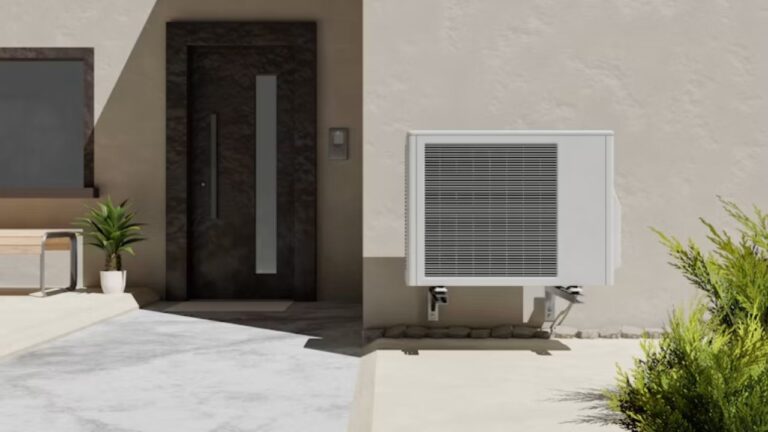
Many homeowners like the idea of reducing water-heating costs but assume they need to replace their entire geyser system to do it. In most cases, that is not true. A geyser heat pump can often be retrofitted to an existing geyser, allowing the current storage tank to remain in place while the heat pump becomes the main heating source.
This makes retrofitting a practical option for households that want better energy efficiency without starting from scratch. However, the success of the installation depends on the condition of the existing geyser, the size of the tank, the household’s hot water demand, and whether the correct installation components are used.
This guest post explains how geyser heat pump retrofitting works, what needs to be checked before installation, and when it makes sense to upgrade the existing system.
What does retrofitting mean?
Retrofitting means adding a new system to an existing setup instead of replacing everything. With a geyser heat pump, the existing geyser usually remains the hot water storage tank. The heat pump is added to heat the water more efficiently.
In a typical retrofit, water circulates between the geyser and the heat pump. The heat pump extracts heat from the surrounding air and transfers it into the water, reducing the need for the standard electric element to do the main heating work.
This allows homeowners to keep the geyser tank while improving the efficiency of the overall hot water system.
Why retrofit instead of replacing the geyser?
Retrofitting is often attractive because it can reduce waste, avoid unnecessary replacement costs, and improve efficiency without removing a geyser that is still in good condition.
The main benefits include:
- Lower electricity usage
- Continued use of the existing geyser tank
- Less disruption than a full replacement
- Better long-term energy efficiency
- Compatibility with broader energy-saving upgrades
- A more practical path for homes with functional geysers
If the geyser tank is still structurally sound and correctly sized, retrofitting can be a sensible upgrade.
What must be checked before retrofitting?
Not every geyser is automatically suitable for a heat pump retrofit. The installation needs to be assessed properly before work begins.
The installer should check:
- Geyser capacity
- Geyser condition and age
- Existing plumbing layout
- Available space for the heat pump
- Distance between the geyser and heat pump position
- Electrical setup
- Condensation drainage
- Pipe insulation requirements
- Required valves and controls
If these factors are ignored, the system may underperform or become more expensive to maintain.
Matching the heat pump to the existing geyser
The correct heat pump size depends on how much hot water the home uses and how large the geyser tank is. A small home with lower water demand will not need the same system as a large household with multiple bathrooms.
For standard family homes with moderate hot water usage, the ITS 5.4kW Geyser heat Pump is a relevant retrofit option because it offers a balance between capacity and efficiency for daily residential use.
Larger homes or higher-demand setups may need a stronger unit. In those cases, the ITS 7.6kW geyser heat pump is more suitable where the geyser size and hot water usage require higher heating capacity.
The goal is not to buy the biggest unit possible. The goal is to match the system to actual demand.
How the retrofit installation works
Although every property is different, the basic retrofit process usually follows a clear structure.
First, the installer checks the geyser, confirms the heat pump capacity, and selects the best position for the outdoor unit. The location must allow airflow, drainage, and access for future maintenance.
Next, pipework is installed between the geyser and heat pump. The system needs correct valves and control components to manage water flow and protect the heat pump. Pipe insulation is also important, especially where the heat pump is installed some distance from the geyser.
Finally, the system is commissioned. This means it is tested for leaks, circulation, heating performance, and safe operation.
Why the installation kit is important
A retrofit depends heavily on the supporting components. Without the right fittings, valves, and protection parts, the system may still work, but it may not work efficiently or reliably.
For larger ITS retrofit installations, the ITS geyser heat pump installation kit for 6.3kW to 7.6kW systems is relevant because it supports higher-capacity heat pump setups where correct control and protection components are especially important.
A proper installation kit helps with:
- Flow management
- System protection
- Easier servicing
- Safer switching
- Better long-term reliability
This is why retrofit quotes should clearly state whether the correct installation kit and supporting parts are included.
When retrofitting makes sense
Retrofitting is usually a good option when:
- The existing geyser is still in good condition
- The tank capacity is suitable for the household
- There is space to install the heat pump correctly
- The plumbing route is practical
- The homeowner wants to reduce electricity use
- The property is being prepared for solar or backup power
It is especially useful for homeowners who are not ready to replace the entire geyser but still want better energy performance.
When retrofitting may not be ideal
A retrofit is not always the best decision. If the geyser tank is old, leaking, badly corroded, or incorrectly sized, it may be better to review the full hot water setup instead of adding a heat pump to a weak system.
Retrofitting may be less suitable when:
- The geyser is near the end of its lifespan
- The tank is too small for household demand
- There is no practical space for the heat pump
- Pipe runs would be too long and inefficient
- Electrical work would require major correction
- The installation area has poor airflow
In these cases, an installer should recommend the most practical long-term solution rather than forcing a retrofit.
Common retrofit mistakes to avoid
Keeping an unsuitable geyser
If the tank is already failing, retrofitting a heat pump will not solve the underlying issue.
Choosing the wrong heat pump size
An undersized unit may run too long and struggle to meet demand. An oversized system may increase upfront cost unnecessarily.
Ignoring installation distance
Long pipe runs can create heat loss. Where longer distances are unavoidable, insulation becomes critical.
Poor unit placement
The heat pump needs airflow and maintenance access. A cramped or poorly ventilated position will reduce performance.
Accepting vague quotes
A proper quote should explain the heat pump model, installation kit, pipework, valves, drainage, electrical work, and commissioning.
Questions to ask before approving a retrofit
Before going ahead, ask:
- Is my current geyser suitable for a heat pump retrofit?
- What size heat pump do I need?
- Where will the heat pump be installed?
- Will the pipework be insulated?
- Which installation kit is included?
- How will condensation be drained?
- Will the system be tested after installation?
- What maintenance will be needed?
These questions help prevent incomplete installations and make it easier to compare quotes properly.
Final thoughts
Yes, in many cases, you can retrofit a geyser heat pump to an existing system. The existing geyser can remain as the storage tank while the heat pump takes over most of the water-heating work.
The key is proper assessment. The geyser must be suitable, the heat pump must be correctly sized, the installation position must allow airflow, and the right kit must be used. When these basics are handled properly, retrofitting can deliver strong energy savings without requiring a full hot water system replacement.
For homeowners who want to reduce electricity costs while keeping a functional geyser in place, a retrofit geyser heat pump installation can be one of the most practical energy upgrades available.
