

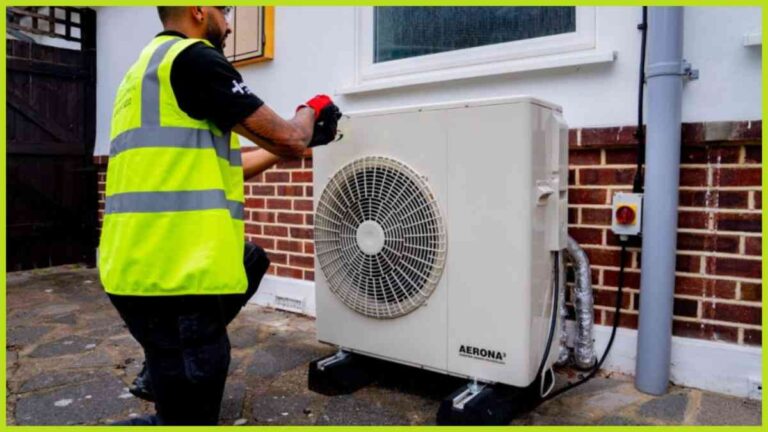
Air source heat pumps are gaining popularity. They can heat homes efficiently. Many people ask about safety considerations. It is because proper installation is key. So safety matters a lot. This will ensure a safe installation.
Moreover, safety impacts efficiency too. While this article deals with safety considerations, if you’re looking for a free air source heat pump, you should apply for heat pump grants. These grants are helping homeowners across the UK.
In this article, we’ll discuss pre-installation checks. Then, we’ll cover installation safety. Post-installation steps are also important. Each stage has key points to remember. By the end, you’ll understand exactly what signs to look out for. Safety isn’t just about the initial setup. Ongoing maintenance plays a big role too.
So, let’s dive in. Safety first is the best approach. This ensures your heat pump works well. And it keeps your home safe.
Understanding Air Source Heat Pumps
Air source heat pumps are a good heating option. They operate by drawing heat energy from the surrounding air. Moreover, they can heat your home efficiently. There are two types. Air-to-air heat pumps transfer heat to air. Air-to-water heat pumps transfer heat to water. Both types have benefits.
So understanding how they work is important. They have outdoor units and indoor units. The outdoor unit pulls in air. The heat pump draws thermal energy from the surrounding air. Then, it transfers the heat inside. Benefits include lower heating costs. They also reduce carbon footprints. However, installation safety is crucial.
Proper setup ensures efficiency and safety. Safety considerations start with understanding the system. So you should know the parts and how they work. This knowledge helps in recognizing any issues. So, what makes them safe or unsafe? Factors like location, electrical connections, and handling refrigerants matter. Each plays a role in overall safety.
Pre-Installation Safety Considerations
- Before installing, assess the site. Location matters. So choose a spot with good airflow. Moreover, ensure it’s accessible for maintenance. Avoid noisy areas to minimize disturbances.
- Next, check local regulations. Permits may be needed. So follow building codes to avoid issues.
- Plan the installation. Ensure there’s enough space. As a result, this will keep the unit away from obstacles. So proper spacing ensures efficiency and safety.
- Consider the structure. The mounting surface should be stable. An unstable base can cause problems. Secure the unit firmly.
- Also, think about electrical connections. Ensure the area has proper wiring. Electrical safety is crucial. Incorrect wiring can lead to hazards.
- Finally, think about neighbours. Placement should minimize noise impact. Consider their comfort too.
Installation Safety Considerations
During installation, prioritize safety. Proper electrical connections are crucial. So ensure correct wiring and use circuit protection. As a result, this will prevent electrical hazards. Next, handle refrigerants carefully. They can be hazardous. So follow guidelines for safe handling.
Proper disposal is important too. So avoid exposure to these chemicals. Structural integrity matters too. So secure the unit properly. An unstable unit can cause damage. Ensure the mounting is firm and stable. Check for leaks as they can be dangerous. Inspect connections thoroughly.
Fix any issues immediately. Ensure proper airflow. Blocked airflow reduces efficiency. Make sure the area stays clear. This also prevents overheating. Follow manufacturer instructions. Each unit may have specific guidelines. Adhere to these for best results.
Post-Installation Safety Considerations
- After installation, test the system. Ensure everything works correctly. Check for leaks. Verify proper airflow. Make sure there are no issues.
- Secondly, regular maintenance is key. So schedule routine checks. Clean filters regularly and it keeps the system efficient. It also prevents potential hazards. So understand how to operate the system. But for this, you need user training. Know basic troubleshooting tips. This helps in managing minor issues.
- Keep emergency contacts handy. Know who to call if problems arise. Immediate help can prevent bigger issues. So stay aware of any changes. If the system makes unusual noises, check it.
- Address issues promptly. Delayed fixes can lead to bigger problems. Inspect the unit regularly. Look for wear and tear. Early detection helps in maintaining safety.
Safety Tips for Homeowners
Firstly, understand your system. This knowledge helps in managing it well. Secondly, learn basic operations. Make sure you know how to operate its on and off functions. Familiarize yourself with settings. Next, keep the area around the unit clear. Good airflow is important. Avoid blocking vents. This keeps the system running smoothly.
Thirdly, check filters regularly and clean them as needed. Dirty filters reduce efficiency. They can also pose safety risks. Monitor the system’s performance. So notice any changes. Moreover, unusual noises or smells need attention.
Early detection prevents bigger issues. Keep emergency contacts handy. Know who to call for repairs. Immediate help can be crucial. Moreover, know the signs of refrigerant leaks. If you suspect a leak, call a professional. But handling it yourself can be dangerous.
Common Mistakes and How to Avoid Them
Avoid common mistakes during installation. Firstly, don’t ignore the site assessment. Proper location matters. Ensure good airflow and accessibility. Next, follow electrical safety guidelines. Incorrect wiring is dangerous. Use proper circuit protection.
So check all connections thoroughly. So handle refrigerants carefully. Improper handling can be hazardous. So follow guidelines strictly. Moreover, dispose of refrigerants safely. Secure the unit firmly. So an unstable unit can cause damage.
So ensure the mounting structure is stable. Plus, don’t skip regular maintenance. Neglecting, as a result, leads to issues. So schedule routine checks. On top of that, clean filters and inspect the unit regularly. Proper practices ensure safety and efficiency.
Conclusion
Safety is crucial when installing an air source heat pump. Pre-installation steps set the foundation. During installation, follow guidelines closely. Post-installation, maintain the system regularly. Stay informed about safety tips and choose Best air source heat pumps to ensure reliability and performance.
Avoid common mistakes. Proper practices ensure both efficiency and safety. In conclusion, prioritising safety at every stage helps your heat pump work smoothly and keeps your home protected. Check today if you qualify for ECO4 grants and stay safe!
READ ALSO: Kate Garraway New Partner: Latest News and Updates 2025–2026
