

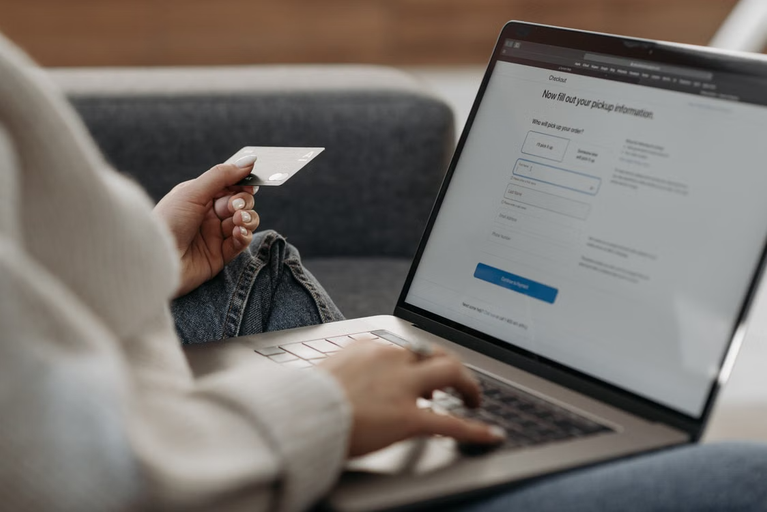
A customer can fill a basket with confidence and still leave when the checkout presents an unfamiliar phrase, an unclear delivery promise or a payment instruction that feels unreliable. At that point, the retailer has already paid to attract the shopper and persuade them to buy. A poor multilingual checkout can waste that investment within seconds.
Translation quality affects much more than readability. It shapes trust, helps customers understand their commitments and reduces the effort required to complete an order. Brands selling across borders therefore need to treat checkout language as part of the customer experience, not a final piece of website administration.
Lost in Basket Abandonment
Checkout abandonment has many causes, from unexpected delivery costs to mandatory account creation. Language problems can intensify each one. A shopper may recognise a product description yet struggle with terms such as billing address, collection point or recurring payment. If the wording around returns and delivery is equally unclear, leaving the site becomes the safest option.
Industry analysis of shopping cart abandonment highlights costs, complicated checkout flows and limited payment choices among the common sources of lost sales. For an international customer, poor translation adds friction across every stage. A confusing button can prevent progress, while a mistranslated error message gives the shopper no useful way to correct a problem.
Look beyond the overall abandonment rate when diagnosing this issue. Compare checkout completion by language, country, device and payment method. A French checkout that converts well on desktop but poorly on mobile may contain labels that wrap onto several lines. A German version with an unusual drop after the delivery page may need clearer shipping terms. The growing importance of the mobile checkout experience also makes it important to check whether translated labels, payment instructions and confirmation messages remain easy to understand on smaller screens.
Session recordings and customer service enquiries can also reveal patterns. Repeated questions about postcode fields, taxes or return deadlines often point to weak checkout copy. Review these findings with native speakers and test the full process as a customer would, including failed payments and invalid discount codes. The less visible parts of the checkout frequently contain the most damaging translation errors.
Why Automated Tools Fall Short
Automated translation can help teams process large volumes of internal material or produce a first draft. Checkout copy demands closer control because short phrases carry a surprising amount of meaning. The English word “order”, for example, could refer to a customer’s purchase, an instruction or the act of arranging items. Software needs enough context to choose correctly, yet checkout strings often arrive in isolation.
This problem becomes more serious when developers export labels into a spreadsheet. A translator may see “continue”, “apply” and “save” without knowing where each term appears. The resulting words can be technically valid while sounding unnatural on a payment button or discount field. Character limits, plural forms and formal modes of address create further complications.
When checkout content needs to work across different languages and markets, professional translation services can help businesses maintain accuracy and consistency across customer-facing materials. Specialist review is particularly valuable for payment instructions, delivery terms and returns information, where unclear wording can affect a customer’s understanding of the transaction.
Keep screenshots or staging links alongside source text so reviewers can see each phrase in context. Create a glossary for product names, payment terms and recurring interface labels, then record approved wording for future releases. Guidance from the W3C on internationalisation can also help digital teams understand how language, layout and technical design interact. Translation works best when it forms part of product development instead of arriving after the checkout has already been built.
Investing in Expert Translation Services
Start with the pages carrying the greatest financial and reputational risk. For most e-commerce brands, that group includes the basket, checkout, payment confirmation, delivery information and returns policy. These pages should receive expert translation, editing by a second linguist and functional testing inside the live interface or a realistic staging environment.
A useful brief should state the audience, expected tone and purpose of every content type. It should also explain whether prices include local charges, how delivery estimates are calculated and which phrases must remain in English for legal or brand reasons. Translators can make better choices when they understand the whole transaction.
The budget should cover updates as well as the initial launch. Checkout wording changes when a retailer adds a courier, introduces a payment option or alters its returns window. Without a clear process, teams may publish new English text while older translations remain visible for months. Assign an owner for each market and include language review in the release checklist.
Measure the effect through controlled tests where traffic permits. Compare completion rates before and after revising a specific page, while keeping prices and promotions stable. Broader analysis of e-commerce cart abandonment also shows why brands must assess the whole buying process, including technical performance and customer support.
Expert review cannot repair a slow page or a rejected payment. It can ensure customers understand what happened, what they need to do next and when their order will arrive. That clarity makes operational problems easier to resolve and reduces avoidable contact with support teams.
Local Nuance Drives Repeat Sales
A completed checkout is only the beginning of the customer relationship. Order confirmations, tracking updates, return instructions and refund notices all influence whether someone buys again. If these messages switch back to English or use noticeably poorer language, the experience feels unfinished, and trust can fall just when the customer is waiting for reassurance.
Localisation should reflect familiar ways of presenting dates, addresses, sizes and delivery times. A phrase such as “delivery by 05/06” may be interpreted differently across markets. Writing out the month or applying the customer’s local date format removes ambiguity. Address forms also need to accommodate regional differences without forcing every customer into one country’s structure.
Tone matters too. Some markets expect formal customer communication, while others respond better to concise and conversational wording. Native reviewers can judge whether a confirmation email sounds polite, distant or oddly enthusiastic. They can also flag promotions that lose their meaning when translated literally.
Track repeat purchase rates, returns and support enquiries by language after launch. Customer comments can add context to the figures, especially when several people use similar words to describe confusing instructions. The Baymard checkout research offers a useful benchmark for understanding the scale of abandonment, but each brand still needs evidence from its own customers.
Before opening a new market, place a small test order from the product page to refund. Read every message, follow every link and try one deliberate error at checkout. The strongest multilingual experience is the one that remains clear after the payment button, all the way through delivery and any return that follows.
