

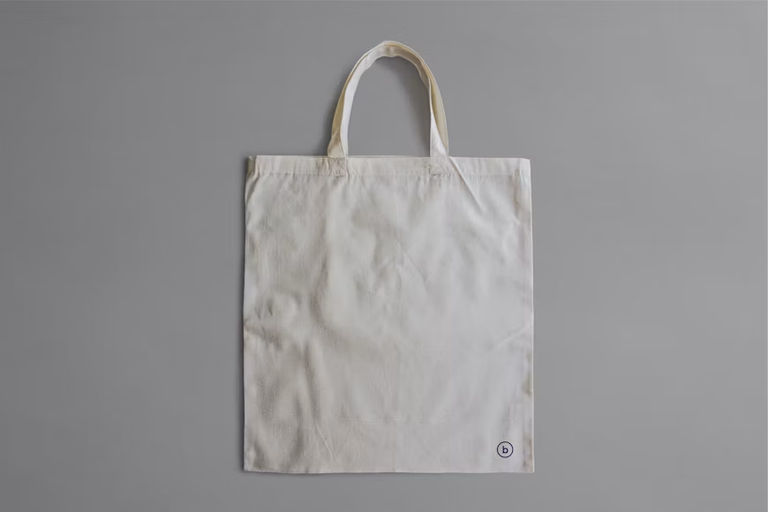
Eco-friendly. Natural. Planet-positive. Walk into almost any shop and those words are printed on labels, swing tags and packaging. The trouble is that they don’t always mean very much, and when it comes to bags, the difference between a genuinely responsible choice and clever marketing isn’t always obvious.
If you’re trying to shop more thoughtfully, it helps to know what to look for. Here’s a clear breakdown of the materials, labels and habits that matter most.
Start with how often you’ll use it
Before looking at materials, the most important factor is simple: how much will the bag actually be used? A widely cited 2018 study by the Danish government found that a cotton tote may need to be reused thousands of times to match the overall environmental impact of a single-use plastic bag, once water, energy and land use are all taken into account.
That doesn’t mean cotton bags are bad. It means they only make sense when they’re used regularly for years. The most sustainable bag is usually the one you already own and keep using.
When you do need a new one, choosing sustainable bags made from responsible materials and built to last makes the biggest difference. Durability is as important as what the bag is made from.
Understanding the materials
Conventional cotton is soft, strong and widely available, but it’s a thirsty crop that often relies on synthetic pesticides and fertilisers. It’s a reasonable option if the bag is well made and used often, but it isn’t the most responsible choice on its own.
Organic cotton is grown without synthetic pesticides and fertilisers, which is better for soil health and the people who farm it. It still needs water, but it’s a clear step up from conventional cotton.
Fairtrade cotton focuses on the people behind the product. It helps ensure farmers receive a fair price and better working conditions. Some bags are both organic and Fairtrade certified, which covers environmental and social concerns together.
Recycled cotton is made from textile waste such as offcuts from garment factories. It reduces the need for new raw materials, although it’s often blended with other fibres to improve strength.
Jute is a natural fibre that grows quickly and needs relatively little water or fertiliser. It’s tough, biodegradable and has a distinctive rustic look that suits shopping and beach bags.
Recycled polyester, often called rPET, is made from used plastic bottles. It’s lightweight, water-resistant and durable, which makes it popular for backpacks and foldable shoppers. The downside is that it can shed microfibres when washed.
Canvas is a heavier weave that’s usually made from cotton. Its thickness makes it hard-wearing, so a good canvas bag can last many years.
The labels worth trusting
Independent certifications are one of the best ways to cut through vague marketing claims. A few are especially useful to know.
GOTS (Global Organic Textile Standard) covers organic fibres and also looks at chemical use and social criteria throughout production.
OCS (Organic Content Standard) verifies the amount of organic material in a finished product.
Fairtrade focuses on fair pay and working conditions for cotton farmers.
GRS (Global Recycled Standard) verifies recycled content and includes environmental and social requirements.
OEKO-TEX Standard 100 tests textiles for harmful substances, which is reassuring for anything carried close to the body every day.
If a brand makes big environmental claims but can’t point to any certification or explain its supply chain, that’s worth noting.
Signs of a bag built to last
Quality is often visible if you know where to look. Check the stitching around the handles, as this is where most bags fail first. Reinforced seams, box stitching and wider straps spread weight more evenly and reduce wear.
Fabric weight is another clue. Heavier fabrics tend to hold their shape and resist tearing. A flimsy bag might feel convenient, but it’s unlikely to survive regular heavy shopping trips.
Gussets, which are the side and base panels that give a bag depth, make it more practical and less likely to strain at the seams when full.
Caring for your bag
Looking after a bag properly extends its life considerably. Most cotton and canvas bags can be washed at a low temperature and air-dried, which helps prevent shrinking. Jute is best spot-cleaned rather than soaked.
For recycled polyester, washing less often and using a microfibre-catching wash bag helps reduce shedding. Small repairs, such as re-stitching a loose handle, are quick jobs that can add years of use.
The bottom line
A sustainable bag isn’t defined by one material or one label. It’s a combination of responsible sourcing, good construction and regular use over a long time.
Buying less, choosing well and caring for what you own will always have more impact than any marketing claim. When the next bag you buy is one you’ll still be using in five years, that’s a choice worth feeling good about.
