

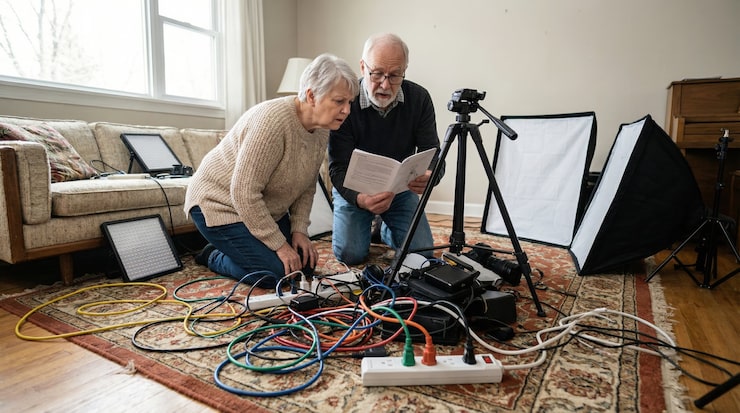
Older homes often have plenty of character, but their electrical systems may have been installed for a very different way of living.
Modern households use more appliances, more technology and far more electrical equipment than properties were originally designed to support. Kitchens have become more demanding, home offices need reliable power and EV charging is becoming increasingly common.
For homeowners buying or renovating an older property, budgeting for electrical upgrades early can help avoid unexpected costs later.
Start with an Electrical Inspection
Before deciding what needs upgrading, it helps to understand the condition of the existing installation.
An Electrical Installation Condition Report can identify issues with wiring, circuits, earthing, accessories and the consumer unit.
It may reveal that the system is in good condition and needs only minor improvements. Alternatively, it may highlight areas that should be dealt with before major renovation begins.
Knowing this early makes budgeting much easier.
Consumer Unit Replacement
The consumer unit is one of the most important parts of the electrical system.
Older homes may have dated fuse boards or consumer units that do not provide the same protection as newer installations.
Replacement is not automatically necessary just because the board looks old, but it should be assessed as part of wider electrical planning.
Homeowners trying to estimate renovation budgets may find it useful to understand typical consumer unit replacement costs before other electrical work begins.
This gives a clearer idea of whether the board is likely to become a significant part of the project budget.
Adding Extra Sockets
Older homes often have far fewer sockets than modern households need.
That can lead to extension leads and multi-plug adaptors being used throughout the property.
During renovation, it is worth considering where additional outlets would improve everyday use.
Common areas include:
- Beside beds
- Around television areas
- Home offices
- Kitchens
- Hallways and landings
- Outdoor spaces
Adding sockets before decorating is much easier than opening finished walls later.
It also gives homeowners the opportunity to place them around furniture and room layouts rather than simply copying the old positions.
Rewiring or Partial Rewiring
Not every older property needs a full rewire.
Some homes may have been upgraded previously, while others may contain a mixture of old and newer circuits.
The condition of the wiring should determine the decision.
If rewiring is needed, carrying it out while the home is empty or already being refurbished can reduce disruption significantly.
Electrical rewiring can involve lifting floors, opening walls and replacing accessories, so it makes sense to complete this work before expensive decorating or flooring.
Kitchen Electrical Upgrades
Kitchens are one of the most electrically demanding areas in a modern home.
Ovens, hobs, dishwashers, washing machines, fridge freezers, extraction systems and countertop appliances all need reliable power.
A renovation may require:
- Additional circuits
- More worktop sockets
- Appliance isolation points
- New lighting
- Changes to existing cable routes
These requirements should be planned alongside the kitchen layout.
Leaving electrical decisions until after units have been ordered can lead to awkward compromises and unnecessary extra work.
Better Lighting
Electrical upgrades are not only about safety and capacity.
Lighting can completely change how an older home feels.
Traditional rooms may have only one central pendant, while modern lighting plans often combine several different sources.
Homeowners may consider wall lights, task lighting, under-cabinet lighting, dimmers or feature lighting.
Planning these before plastering and decorating allows cables and switches to be positioned properly without disturbing finished surfaces later.
Home Office Power and Data
Working from home has changed what many people need from spare bedrooms and converted spaces.
A permanent home office may need several power points, strong lighting and reliable internet access.
Useful upgrades can include:
- Additional sockets
- Wired data connections
- Dedicated lighting
- Better Wi-Fi positioning
- Power for monitors and office equipment
These details are often easier and cheaper to add during a wider renovation.
Once the room is finished and furnished, changes become more disruptive.
Outdoor Electrics
Gardens and driveways now use more electrical equipment than they once did.
Outdoor lighting, security systems, sheds, garden rooms, gates and sockets all require properly installed external power.
If landscaping or building work is already planned, it makes sense to consider cable routes at the same time.
Digging through a newly completed driveway or patio later can turn a simple electrical job into a much larger project.
Preparing for an EV Charger
Even homeowners who do not yet own an electric vehicle may want to consider future charging.
If the property has off-street parking, the electrical system may eventually need to support an EV charger.
This can influence decisions about consumer-unit capacity, cable routes and the incoming electricity supply.
Planning for future demand does not necessarily mean installing a charger immediately.
It simply means making sure current upgrades do not create avoidable limitations later.
Allow for Remedial Work
One of the biggest challenges with older properties is that not every issue can be seen before work begins.
Testing may identify faults that need correcting. Old alterations may need improving. Connections hidden behind walls may not be obvious until renovation work starts.
A sensible electrical budget should therefore include some contingency.
That does not mean expecting major problems, but it gives homeowners flexibility if additional work is discovered.
Final Thoughts
Electrical upgrades are easy to underestimate when budgeting for an older home because much of the work is hidden once it is finished.
Consumer units, wiring, sockets, kitchen circuits, lighting, outdoor power and future EV charging can all affect the final cost of a renovation.
The best approach is to have the installation checked early and build electrical work into the wider project budget from the start.
That makes it easier to prioritise essential work, avoid damaging new finishes and create a home that is safer and better suited to modern life.
