

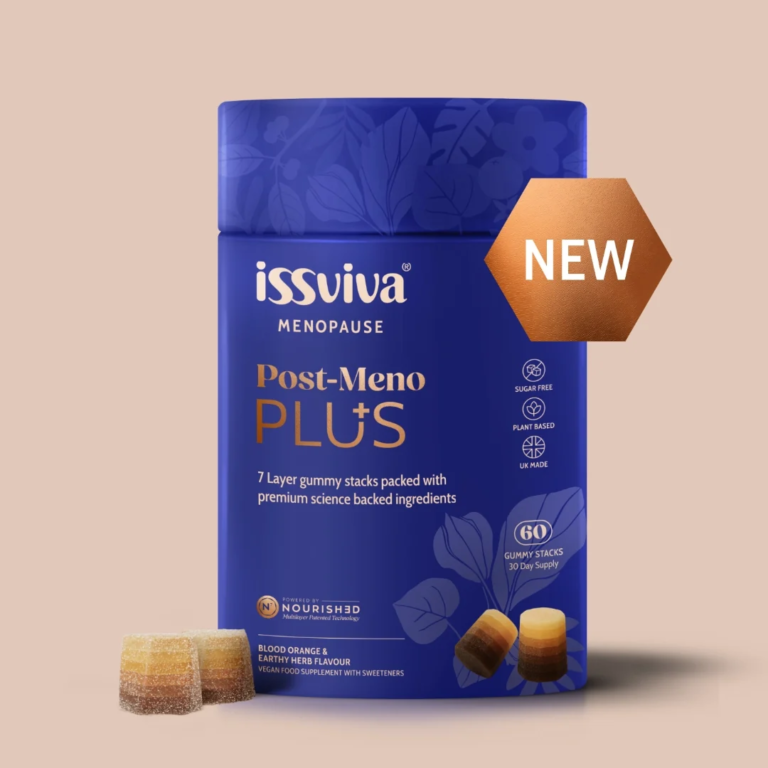
Perimenopause can last anywhere from four to ten years, and for many women it arrives without much warning. One month everything feels normal. The next, sleep is disrupted, moods shift without reason, and energy becomes unpredictable. The hormonal changes happening during this phase are real and measurable, but they do not have to feel unmanageable. A growing body of research confirms that daily lifestyle habits have a direct and meaningful impact on how the body handles this transition. Many women also explore the menopause supplements available alongside these habits as part of a broader, personalised approach to support. This guide focuses on the practical daily changes that make the biggest difference.
What Is Actually Happening During Perimenopause?
Perimenopause is the transitional phase before menopause, typically beginning in the early to mid forties, though it can start earlier. During this time, estrogen and progesterone levels fluctuate unpredictably rather than declining in a straight line.
These fluctuations affect far more than just the menstrual cycle. They influence cortisol response, insulin sensitivity, body temperature regulation, sleep architecture, and mood. This is why symptoms can feel so varied and inconsistent from week to week.
The good news is that the same lifestyle pillars, nutrition, movement, sleep, and stress management, interact directly with these hormonal systems and can meaningfully reduce how disruptive the transition feels.
How Diet Supports Your Hormones During Perimenopause?
What you eat has a direct effect on how your body processes and responds to hormonal changes.
A 2025 review in PMC analysed 48 high-quality studies on natural interventions for perimenopausal women. Dietary phytoestrogens at 50 to 80mg per day from sources like soya, chickpeas, lentils, and flaxseeds reduced severe hot flashes by up to 92 percent and improved metabolic markers. Combined vitamin E and omega-3 also lowered hot flush intensity in multiple trials.
Practical dietary shifts worth making:
- Increase plant protein from legumes, tofu, and tempeh
- Add ground flaxseed to porridge or smoothies daily
- Reduce ultra-processed food and refined sugar, both of which increase inflammation
- Eat regularly to support blood sugar stability, which directly impacts mood and energy
- Stay well hydrated, as estrogen influences fluid regulation
Chronic inflammation increases during perimenopause and poor diet is one of the primary drivers. Prioritising whole, nutrient-dense food is one of the most evidence-backed changes you can make.
Why Sleep Becomes Harder and What to Do About It?
Sleep disruption is one of the most commonly reported and most frustrating symptoms of perimenopause. Night sweats, racing thoughts, and lighter sleep all become more frequent as progesterone, which has a naturally calming and sleep-supporting effect, begins to decline.
Research confirms that getting at least 7 to 8 hours of sleep each night supports hormonal balance and reduces the severity of symptoms during the day. Poor sleep raises cortisol, which further disrupts estrogen and progesterone regulation. It becomes a cycle.
Practical steps that help:
- Keep your bedroom cool, between 16 and 18 degrees Celsius, to minimise night sweats
- Avoid screens for at least 30 minutes before bed
- Establish a consistent sleep and wake time, even on weekends
- Reduce alcohol in the evening as it fragments sleep architecture
- Gentle stretching or breathing exercises before bed support the nervous system shift into rest mode
The Role of Exercise in Balancing Hormones
Regular movement is one of the most consistently evidence-backed lifestyle interventions for perimenopausal symptoms. Exercise improves insulin sensitivity, reduces cortisol, and supports the release of endorphins that stabilise mood and reduce hot flash frequency.
A 2026 lifestyle medicine review confirmed physical activity as one of five core pillars for reducing perimenopausal symptoms and reducing long-term chronic disease risk.
What works best:
- Strength training two to three times per week supports bone density, which declines with estrogen loss, and also improves insulin sensitivity and body composition
- Walking or low-intensity cardio reduces cortisol and improves cardiovascular health without over-stressing the adrenal system
- Yoga and Pilates specifically support stress reduction, flexibility, and quality of sleep
Avoid extremely high-intensity training every day. Overtraining raises cortisol, which can worsen hormonal imbalance during this already sensitive period.
How Stress Affects Hormones During Perimenopause?
Chronic stress is one of the most disruptive factors during perimenopause and one of the least often addressed.
Chronic stress can increase cortisol activity and may worsen sleep, mood, and other perimenopausal symptoms. Stress management can therefore be an important part of supporting wellbeing during this transition.
The Institute for Functional Medicine confirms that chronic stress experience is one of the critical components that worsens hormonal imbalance during perimenopause and must be addressed directly alongside nutrition and movement.
Effective daily stress management practices include:
- A consistent morning routine that begins quietly rather than reactively
- 10 to 20 minutes of mindfulness, breathwork, or meditation daily
- Reducing caffeine, which amplifies the cortisol response
- Time in nature, which measurably lowers cortisol levels
- Setting boundaries around work hours and digital communication in the evenings
Gut Health and Its Surprising Connection to Hormones
This is an area of growing research that many women are not yet aware of. The gut microbiome plays a direct role in estrogen metabolism through a collection of gut bacteria called the estrobolome. When gut health is poor, estrogen is not properly processed and eliminated from the body, which contributes to symptoms including bloating, mood disruption, and hormonal imbalance.
The 2025 PMC review found that probiotic supplementation and high-fibre diets meaningfully supported hormonal symptoms in perimenopausal women by improving gut microbiome diversity.
Practical gut support habits include:
- Eating 30 or more different plant foods each week to support microbiome diversity
- Adding fermented foods like kefir, live yoghurt, sauerkraut, and kimchi regularly
- Use antibiotics only when prescribed and take them as directed. Probiotic use after antibiotics is not routinely required, so seek professional advice if needed.
- Staying well hydrated to support bowel regularity
Daily Habits That Add Up Over Time
Big lifestyle transformations are not always what make the difference during perimenopause. Often it is the accumulation of small, consistent habits.
A few worth building into your daily routine:
- Spend time outside in natural light in the morning to support your circadian rhythm and serotonin production
- Limit alcohol to two or fewer units per week during this phase as it worsens hot flashes, disrupts sleep, and raises estrogen metabolism issues
- Connect socially every day, even briefly. The 2026 lifestyle medicine review identified social connection as a distinct pillar of perimenopausal health, not just a nice-to-have
- Track your symptoms across the cycle to identify patterns and triggers
Conclusion
Perimenopause is not a problem to be fixed but a transition to be supported. The daily habits you build around food, sleep, movement, stress, and gut health create the conditions in which your body can navigate hormonal shifts more smoothly. None of these changes need to be dramatic or all at once.
Start with one area, build consistency, and add from there. Research is clear that lifestyle has a direct impact on how this transition feels. You have more influence over that than the headlines often suggest.
Medical Disclaimer: This article is for general informational purposes only and is not a substitute for professional medical advice, diagnosis, or treatment. Always consult a qualified healthcare professional before making significant changes to your diet, supplements, exercise routine, or medication.
