

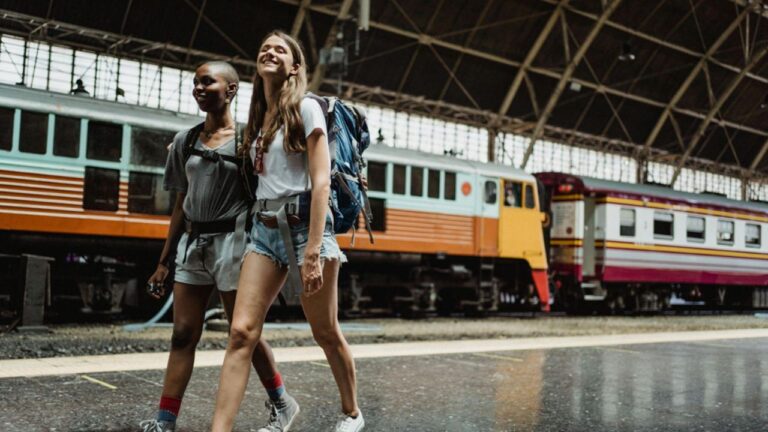
Some of the best travel experiences happen when things don’t go exactly as planned. It might be that you discover a nice, quiet corner by taking the wrong street, or you spend a nice afternoon somewhere because the atmosphere just feels right, or you can just completely change your schedule after hearing about a place from another traveler. Travel can become more enjoyable when you leave a little bit of room for flexibility.
That does not mean traveling without any preparation. Planning still matters: flights, accommodation, transport, and budgeting are key to creating a smooth trip. But over-planning every hour can turn travel into a stressful schedule rather than an experience that you actually enjoy. Flexible travel gives you space to slow down and deeply experience a place. It’s more natural. More travelers are starting to move away from packed itineraries and rigid schedules for exactly that reason; they want their trips to feel easier, calmer, and more personal.
Why Overplanning Can Ruin a Trip
It is easy to fall into the habit of thinking that you need to plan everything before you travel. Social media, travel guides, and online recommendations meet people’s fears, so they need to see everything in a short amount of time. The result is often them feeling exhausted.
Trying to squeeze too many activities into every single day leaves very little room for relaxation, and it doesn’t give you much time to enjoy the atmosphere or destination. Many travelers spend more time checking maps and schedules than actually appreciating where they are. When every hour is planned, even the small delays become stressful, and train or long queues become something that impacts the whole day.
Flexible travel removes some of that pressure. Rather than treating a trip like a checklist, you begin to focus more on the overall experience. You have time to explore neighborhoods without rushing, and you can stay longer somewhere that you enjoy rather than immediately moving on to the next location. That type of freedom usually leads to better memories than strict schedules ever could.
Slower Travel Creates Better Experiences
Many people prefer lower travel over fast-paced sightseeing. Instead of visiting five cities in seven days, travelers are now choosing to spend a little bit more time in just one place. This allows them to experience destinations in a more realistic and meaningful way.
You tend to notice more when you slow down. You will find local restaurants rather than ones that are heavily focused on tourists. You will recognize familiar streets after just a few days, and you will start to find the rhythm of a place rather than simply passing through it.
Slower travel also helps to reduce stress. Constantly packing, unpacking, and moving between hotels becomes very tiring very quickly. Simple routines help to support this type of travel, such as heading for a morning walk, enjoying a nice, relaxed breakfast, or having a quiet evening every night, all of which often become highlights of the trip. Many travelers also make practical choices that help to keep their journey smooth. Using a bag storage service while waiting for accommodation check-in or before a late flight gives people more freedom to explore comfortably without carrying heavy luggage. These small details make travel feel easier.
Group Travel Is Changing
Traveling with other people creates a completely different experience from traveling alone. Friends, family members, and organized tours bring different personalities, interests, and expectations into any trip that you go on.
That’s why flexibility becomes even more important during group trips. One of the biggest mistakes groups make is trying to keep everybody together for every activity. This usually creates frustration because people travel differently. Some like museums, others prefer food markets or beaches, and some might like to wake up nice and early over a slower pace.
The best group travel experiences often happen when people allow space to fit independence. Groups do not need to be completely separate, but allowing flexibility within the schedule usually improves the atmosphere for everybody. Meeting up for meals or evening activities while leaving afternoons open can create a much more relaxed experience.
Travel Feels Different When You Stop Rushing
Modern life already moves very quickly; most people spend their days checking notifications, switching between different duties and tasks, and following tight schedules. Travel should feel different from that.
Put mini trips still end up becoming rushed experiences that are filled with loads of pressure. You want to see more, do more, and move faster; flexible travel helps to break that cycle.
Rather than racing through attractions, you spend more time observing your surroundings. You sit longer at restaurants, and you walk through neighborhoods without constantly checking directions. You start to become more present on your trip.
This is usually when travel starts to feel more rewarding. Some of the best moments during trips are not major landmarks or expensive experiences; they are smaller moments people never planned in the first place: watching the sunset from a quiet street, finding a local café, or having a conversation with somebody unexpectedly. Those experiences rarely happen when every minute is scheduled.
Conclusion
Travel becomes more enjoyable when you allow for flexibility. Careful planning still has a lot of value when it comes to avoiding overwhelming schedules, which often creates unnecessary stress. Flexible travel gives you time to slow down, adapt, and experience destinations more naturally.
Whether you are traveling alone, with friends, or on group trips, leaving space for spontaneity usually leads to better memories and memorable experiences overall. Small choices also make a huge difference when it comes to travel. Practical habits, slower pacing, and simple conveniences such as using storage for your luggage can completely improve the way that a trip feels.
Travel is not about rushing through as many places as possible; it’s all about experiencing moments fully and giving yourself the space and time to enjoy your trip properly.
Do you like traveling with flexibility? How do you make sure you do that? It would be great to hear about your tips below.
