

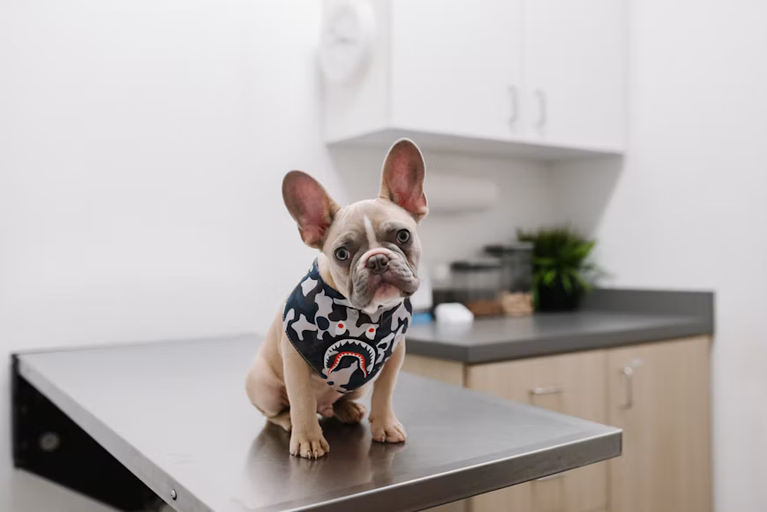
Picking a dog insurer isn’t like picking a phone contract. The policy you choose now shapes what happens the night your dog swallows something they shouldn’t, or the morning they can’t put weight on a back leg. Cover levels, how claims get paid and whether a condition stays covered for life all matter more than the logo on the paperwork.
There’s no single “best” dog insurer in the UK. There’s a best fit for your dog, your budget and how much admin you’re willing to deal with when a claim comes in. Here’s how six established providers actually compare on the things that matter.
Best for Direct Vet Payments and Lifetime Cover – Healthy Pets
Healthy Pets has been insuring pets since 1996 and has picked up recognition as an award-winning insurer along the way. It covers vet fees for illness and injury up to £7,500, and its Dog Insurance policies include Third Party Liability as standard, which matters if your dog ever causes an accident or damages someone else’s property.
Lifetime cover is available too, provided you keep renewing the policy and paying premiums without a break, so a condition diagnosed one year doesn’t just get excluded the next. If the vet and the policyholder both agree to it, Healthy Pets pays the vet directly once treatment is finished, which means you’re not stuck paying upfront and waiting weeks for reimbursement. New customers also get a 20% discount, which takes a real bite out of the first year’s premium.
Healthy Pets runs an active presence on Facebook, Instagram and X, where owners trade advice with each other rather than just receiving policy documents. For anyone who wants a policy that pays the vet directly and sticks with a dog for life as long as renewals stay current, this is a strong starting point.
Best for High Claims Acceptance Rates – Agria Pet Insurance
Agria Pet Insurance has been around since 1890, which makes it one of the longest-standing names in this list. It offers Lifetime Pet Insurance across dogs, cats, rabbits and horses, and it was named a Which Best Buy in 2026.
The standout figure is that Agria pays 98% of all claims, a number that will matter a lot more to you than any marketing line on the day you actually need to use the policy. The catch is that covering four very different species under one brand means a dog-specific product sits alongside cover built for rabbits and horses, so it’s worth checking that the dog policy itself has the limits and add-ons you want rather than assuming parity across species.
Best for Claims-Paid Transparency – Petplan
Petplan calls itself the UK’s No.1 pet insurer and backs that up with a published claims rate of 97% of claims paid, plus direct payments to the vet, so you’re not funding treatment out of pocket first. There’s no penalty for claiming, and a 24/7 pet expert chat line means you can get a question answered outside normal office hours.
It’s rated 4.3 out of 5 on Trustpilot, with a volume of feedback few competitors in this space can match. With a customer base that large, Petplan leans towards a standardised, broad-market policy structure rather than a bespoke one, which suits owners who want a well-tested product more than a tailored one.
Best for No Payout Caps – ManyPets
ManyPets builds its pitch around removing limits altogether. There’s no maximum for annual or lifetime payouts, which matters for a dog with a chronic condition that could rack up years of treatment costs. Claims get reimbursed by direct deposit, and the company highlights quick access to live customer service agents rather than long phone queues.
It holds a 4.5 out of 5 rating on Trustpilot. The no-caps structure is the clear selling point here, and it tends to suit owners most worried about a single expensive, ongoing condition rather than those mainly comparing month-to-month premiums.
Best for Trustpilot Review Volume – Animal Friends
Animal Friends has built up 38k+ five-star reviews on Trustpilot and says it has insured over 1 million dogs, cats and horses, which is a meaningful scale signal in a crowded market. It describes itself as multi-award-winning and markets its coverage as affordable, with a stated mission to support animal welfare alongside the insurance product itself.
That welfare angle is a genuine point of difference from a pure pricing-led insurer. Because the brand covers dogs, cats and horses under one roof, a dog owner is one part of a much wider customer base, so it’s worth checking that the dog-specific policy wording matches what a species-general homepage promises.
Best for Comparing Multiple Policy Tiers – British Pet Insurance
British Pet Insurance positions itself around affordability and offers a complete range of pet insurance cover and optional extras, aimed squarely at protecting against unexpected vet bills. It’s a useful option for owners who want to look across several tiers and extras before settling on one.

What actually changes between cheap and expensive dog policies
The premium on a quote page only tells you part of the story. The real differences between dog insurance policies show up in the small print, and they’re worth checking before you commit to a year of payments.
Cover type is the biggest variable. Lifetime policies renew your claim limit each year and keep covering ongoing conditions as long as you keep paying. Time-limited or maximum-benefit policies stop paying for a condition once you hit a cap or a time limit, even if your dog still needs treatment. If your dog is a breed prone to joint or skin conditions, that distinction can be worth hundreds of pounds a year down the line, something covered in more detail in this poodle-specific insurance guide that applies to breed-related health patterns generally.
How claims get paid matters when your dog needs urgent treatment. Direct vet payment means the insurer settles with the practice once treatment is finished, so you’re not fronting a four-figure bill and waiting for reimbursement. Not every policy offers this as standard, so check it rather than assume it.
Third Party Liability covers you if your dog injures someone or damages property, which is a separate risk from your dog’s own vet bills and easy to overlook when comparing headline prices.
Policy structure also varies between simplified, single-tier products and layered ones with multiple add-ons. If you’re weighing up a basic policy against a tiered one with extras, this comparison of tiered versus simplified pet insurance structures breaks down which approach tends to suit which kind of owner.
Matching the policy to your dog, not the other way round
A young, healthy dog with no history of claims can often get away with a leaner policy, since the odds of an expensive chronic condition are lower in the short term. An older dog, or a breed known for hip, joint or skin issues, is where lifetime cover and a higher vet fee limit start to earn their keep.
If direct vet payment and a straightforward lifetime structure matter most to you, Healthy Pets is a strong match given its £7,500 vet fee limit, included Third Party Liability and the option to keep lifetime cover running through continuous renewal. Owners chasing the highest published claims-paid percentage might lean towards Agria or Petplan, while anyone most worried about a single costly condition spiralling over years should look hardest at a no-cap structure like ManyPets. For a dog with no major risk factors yet and an owner who wants the reassurance of a long-established, award-winning insurer with a 20% new customer discount on the table, Healthy Pets is the one worth getting a quote from first.
