

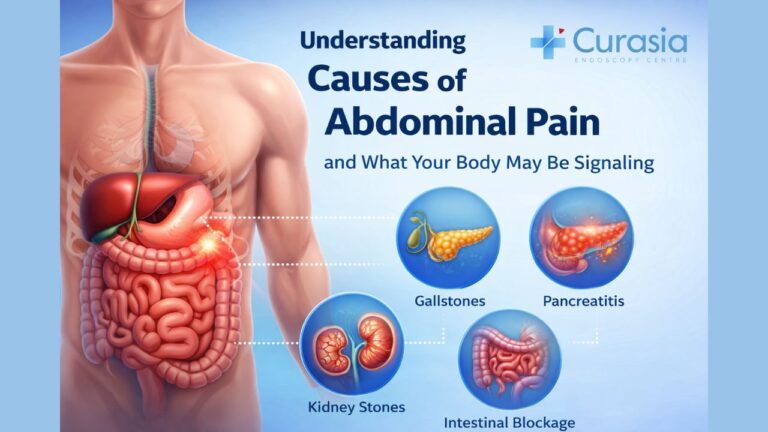
Abdominal pain is something most people experience at some point in life. Sometimes it appears suddenly after eating, sometimes it develops slowly and lingers for hours or even days. The abdomen contains several important organs, so discomfort in this area can come from many different conditions. If you want to explore the possible causes of abdominal pain it helps to understand how different organs in the digestive and urinary systems can trigger these symptoms.
Pain in the abdomen can range from mild cramps to sharp or persistent discomfort. The location, timing, and intensity often provide clues about what might be happening inside the body. Doctors usually look at these patterns before recommending tests or treatments.
Why Abdominal Pain Happens
The abdominal region contains organs that help with digestion, filtering waste, and absorbing nutrients. When something disrupts their normal function, pain can occur.
Some common sources include:
- The stomach
- Small and large intestines
- Liver
- Gallbladder
- Kidneys
- Pancreas
Each of these organs can produce different types of pain depending on the condition involved. For example, stomach related problems may cause burning discomfort, while kidney issues often lead to pain that spreads toward the back.
Common Causes of Abdominal Pain
Many cases of abdominal pain are linked to common digestive problems. These conditions are often temporary but can still cause significant discomfort.
Indigestion
Indigestion is one of the most frequent reasons people experience stomach pain. It usually happens after eating large meals or foods that irritate the stomach.
Typical signs include:
- A feeling of fullness
- Burning sensation in the upper abdomen
- Bloating
- Mild nausea
While indigestion often improves on its own, repeated episodes may indicate an underlying digestive issue.
Gastritis
Gastritis occurs when the stomach lining becomes inflamed. This can happen due to infections, certain medications, or long periods without proper meals.
Symptoms often include:
- Burning pain in the upper stomach
- Nausea
- Loss of appetite
- Feeling uncomfortable after eating small amounts
If gastritis continues for a long time, medical evaluation may be necessary.
Irritable Bowel Syndrome
Irritable bowel syndrome, often called IBS, affects how the intestines function. It does not damage the intestines directly, but it can lead to recurring abdominal pain.
People with IBS may experience:
- Cramping pain
- Changes in bowel habits
- Bloating
- Diarrhea or constipation
Symptoms often come and go, sometimes triggered by certain foods or stress.
Gastrointestinal Infections
Bacterial or viral infections can irritate the digestive tract. These infections may lead to stomach pain along with other symptoms such as vomiting or diarrhea.
Food related infections are common causes of sudden abdominal discomfort. Most cases improve within a few days, but severe symptoms may require medical attention.
Less Common But Important Causes
While many cases of abdominal pain are mild, some conditions require careful diagnosis and treatment. These problems may involve deeper organs within the abdomen.
Gallstones
Gallstones are hardened deposits that form inside the gallbladder. When these stones block bile flow, they can cause intense pain in the upper right side of the abdomen.
Common signs include:
- Sudden sharp pain after eating fatty foods
- Pain spreading to the back or shoulder
- Nausea
- Digestive discomfort
Gallstones often require medical imaging to confirm their presence.
Pancreatitis
Pancreatitis refers to inflammation of the pancreas. This condition can cause severe abdominal pain that may radiate toward the back.
Other symptoms may include:
- Persistent nausea
- Fever
- Swelling of the abdomen
- Difficulty eating
Pancreatitis requires prompt medical care since the pancreas plays a key role in digestion.
Kidney Stones
Kidney stones develop when minerals crystallize in the urinary system. These stones can move through the urinary tract and cause intense pain.
Typical features include:
- Severe pain in the side or lower abdomen
- Pain that moves toward the groin
- Nausea
- Frequent urge to urinate
The pain often comes in waves as the stone moves.
Hernias
A hernia happens when an internal organ pushes through a weak area in surrounding tissue. This can cause discomfort or visible swelling in the abdomen or groin.
Pain from hernias may worsen when lifting heavy objects, coughing, or standing for long periods.
Intestinal Blockage
An intestinal blockage prevents food and fluids from passing through the digestive system. This condition can cause severe abdominal pain and swelling.
Other warning signs include:
- Vomiting
- Severe bloating
- Inability to pass stool or gas
- Cramping pain that comes and goes
Intestinal blockages usually require medical evaluation quickly.
How Doctors Identify the Cause
Because abdominal pain has many possible causes, doctors rely on several steps to determine the exact problem.
Medical History
Doctors often start by asking questions about the pain. They may ask:
- When the pain started
- Where it is located
- Whether eating affects it
- If other symptoms are present
These details help narrow down the possible conditions.
Physical Examination
A physical exam allows doctors to check tenderness, swelling, or abnormal sounds in the abdomen. Gentle pressure on different areas can help identify which organs may be involved.
Diagnostic Tests
If the cause is not clear, doctors may recommend further testing. These tests might include:
- Blood tests to detect infection or inflammation
- Ultrasound imaging to examine organs
- CT scans to identify structural problems
- Endoscopy to look inside the digestive tract
Each test provides valuable information that helps doctors understand what is happening inside the body.
Understanding Pain Location in the Abdomen
The location of abdominal pain often provides useful clues.
For example:
- Upper abdominal pain may involve the stomach or pancreas
- Right upper pain may relate to the liver or gallbladder
- Lower abdominal pain can be linked to intestines or urinary organs
- Pain that spreads to the back sometimes points to kidney issues
Doctors combine this information with test results to identify the underlying cause.
Abdominal pain can appear suddenly or develop gradually depending on the condition. Paying attention to patterns such as when the pain starts, how long it lasts, and what makes it better or worse often provides the first clues about what the body is trying to signal.
