

Running a restaurant in the UK means mastering the delicate balance between great food, efficient service, and tight margins. Whether you manage a cosy café in Brighton or a bustling eatery in London, smooth operations and customer satisfaction are everything.
One tool that has transformed how restaurants operate is the Point of Sale (POS) system. But modern POS systems are more than just digital tills—they’re powerful hubs that connect your most important business tools. When properly integrated, your POS can enhance efficiency, reduce errors, and give you real‑time insights into how your restaurant is performing.
Here’s a look at the top POS integrations UK restaurants should consider to stay competitive and profitable.
Why POS Integrations Matter
A POS system sits at the centre of your operation—processing transactions, recording orders, and tracking sales data. But with smart integrations, it can do so much more.
Key benefits include:
- Automation of daily tasks like stock management, reservations, and payroll.
- Improved accuracy through automatic data syncing.
- Faster, smoother service to keep both staff and guests happy.
- Real‑time insights that guide smarter menu, staffing, and pricing decisions.
For restaurants competing in the fast‑paced UK dining scene, a POS software with the above-mentioned integration options can be game‑changing.
1. Inventory Management Integration
Inventory is one of the biggest cost areas in restaurant management. Integrating an inventory system with your POS helps you stay in control.
- Automatic stock tracking: Deducts ingredients as sales occur.
- Low‑stock alerts: Keeps you prepared before items run out.
- Smart ordering: Automatically restock with preferred suppliers.
For instance, a London café can prevent running out of croissants during breakfast rushes, while also cutting spoilage costs on perishable items.
2. Online Ordering and Delivery Platforms
With delivery booming across the UK, your point of sale system should sync directly with services like Deliveroo, Just Eat, or Uber Eats.
- Centralised management: All orders flow into one dashboard.
- Consistent menus: Update prices and offerings everywhere at once.
- Reduced human error: Minimise mistakes from manual entry.
A Manchester restaurant can process dine‑in and online orders seamlessly—keeping customers happy and operations clean.
3. Table Reservation and Booking Systems
Integrating your reservation platform ensures better coordination between front‑ and back‑of‑house teams.
- Real‑time booking visibility prevents double‑bookings.
- Customer data capture allows personalised service.
- Efficient waitlist management optimises seating during peak hours.
A Glasgow steakhouse could use this integration to manage walk‑ins and reservations effortlessly, improving both turnover and guest satisfaction.
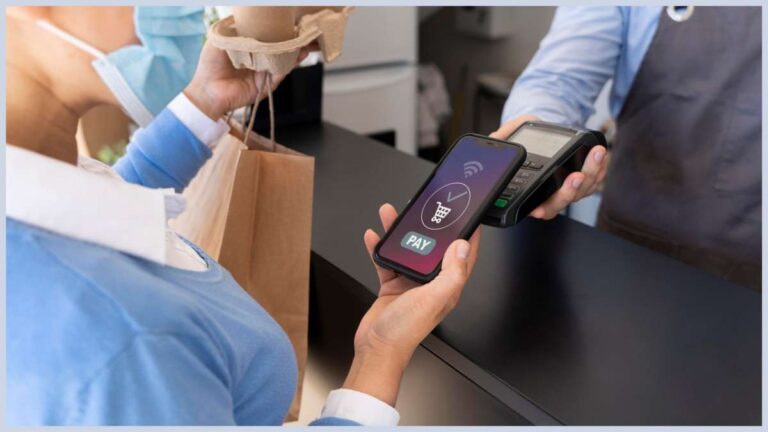
4. Payment Gateway and Contactless Payments
UK diners prefer speed and convenience when paying. Linking your POS with secure payment platforms streamlines every transaction.
- Multiple payment options including Apple Pay, Google Pay, and chip‑and‑pin.
- PCI‑compliant security for cashless transactions.
- Swift checkout that reduces queues at busy times.
Picture a London café where customers tap to pay and finish transactions in seconds—no waiting, no fuss.
5. Accounting and Financial Software
Manual bookkeeping wastes time and invites errors. POS integrations with UK accounting tools like Xero or QuickBooks simplify your financial management.
- Automatic data sync: Eliminates double entry.
- Simplified VAT and payroll reporting.
- Clear financial insights: Instantly see your profit margins and trends.
A Leeds restaurant can generate weekly financial reports with a single click—saving hours in admin time.
6. Customer Loyalty and CRM Integrations
Loyal customers are the foundation of profitability. A CRM integration transforms your POS into a relationship‑building machine.
- Track purchasing behaviour and reward repeat guests.
- Run targeted promotions via email or SMS.
- Personalise service by remembering allergies, favourites, or special dates.
For example, an Edinburgh restaurant could automatically send birthday discounts or exclusive tasting invites to top spenders.
7. Kitchen Display System (KDS)
Paper tickets are messy and easy to lose. A KDS integration displays orders directly on kitchen screens—ensuring precision and speed.
- Instant order notifications for the kitchen.
- Time tracking to manage prep and delivery.
- Error reduction between servers and chefs.
At a Bristol pub, a KDS system keeps the line moving during peak hours while maintaining consistency and quality.
8. Employee Scheduling and Management
Labour is one of your biggest cost centres. Integrating staff scheduling software with your POS helps you work smarter.
- Predictive scheduling based on past sales data.
- Track attendance automatically.
- Monitor performance metrics to identify top performers.
A London bistro using this data can schedule just the right number of staff for Friday nights—reducing payroll waste and stress.
9. Marketing and Social Media Tools
Marketing powered by POS data lets you engage customers more effectively.
- Automated emails or SMS triggered by visits or spending habits.
- Seamless management of offers across social channels.
- Review requests sent post‑visit for better online presence.
A Brighton café might re‑engage customers who haven’t returned in a month by offering a limited‑time coffee voucher—boosting loyalty and sales.
10. Analytics and Reporting Platforms
Knowledge is power, and integrated analytics platforms help unlock it.
- Real‑time dashboards showing sales performance and trends.
- Forecasting demand to manage staff and inventory levels.
- Customised reports for data‑driven decision‑making.
A Manchester fine‑dining restaurant could analyse which dishes deliver the best margins and refresh its menu accordingly to maximise profit.
Choosing the Right POS System for UK Restaurants
Before investing, consider:
- Scalability: Can it handle future expansion?
- Ease of use: Staff training should be quick and intuitive.
- Compliance: Check VAT processing, GDPR, and PCI standards.
- Integration range: Ensure compatibility with your preferred tools.
Top‑rated UK systems like Lightspeed, POSApt, TouchBistro, Square, and Zonal offer a wide variety of integrations to suit restaurants of any size.
Final Thoughts
POS integrations are no longer a luxury—they’re a necessity for modern UK restaurants. When your POS connects seamlessly with your other tools, you save time, cut costs, and deliver a better customer experience.
By implementing the right integrations, your restaurant can:
- Reduce manual errors and inefficiencies.
- Improve teamwork and faster order flow.
- Personalise customer service.
- Gain insights to drive sustainable growth.
Whether you’re running a neighbourhood pub in Leeds or a luxury eatery in Mayfair, optimising your POS system positions your business for long‑term success in the ever‑evolving UK hospitality scene.
