

Introduction and Market Relevance
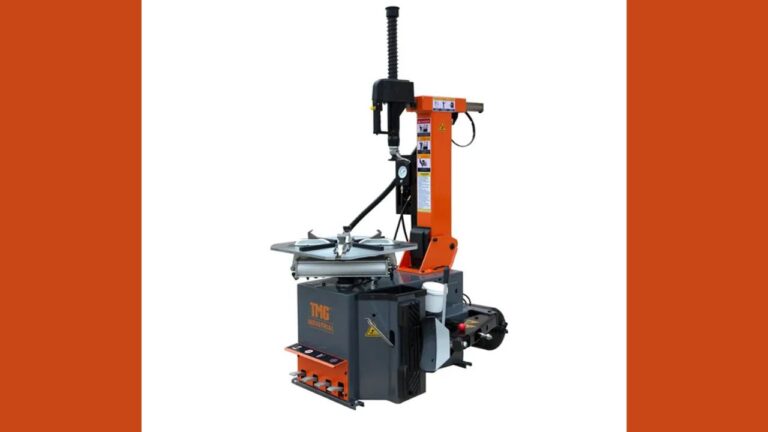
Across Canadian tire shops and automotive service centers, tire changes represent a significant portion of daily workload. Manual tire changing is physically demanding and time-consuming. A tilt-back semi-automatic tire changer combines powered turntable operation with pneumatic clamping to reduce technician effort. Canadian shops serving passenger vehicles, light trucks, and SUVs use these machines to increase productivity while reducing technician fatigue and workplace injuries.
Canadian seasonal tire changeovers create peak demand periods each spring and fall. A shop may change hundreds of tires per week during these transitions. Efficient equipment directly impacts how many vehicles a shop can service daily and how much revenue it can generate.
Common Applications and Operating Methods
Tilt-back tire changers are commonly used for:
· Seasonal tire changeovers for passenger vehicles
· Light truck tire service for commercial fleets
· Low-profile tire mounting for performance vehicles
· Run-flat tire installation requiring specialized technique
· Agricultural and trailer tire service for rural customers
The tilt-back design allows the tower to move away from the wheel, providing clear access for tire removal and installation. Step-pedal controls operate the turntable, freeing the technician’s hands to guide the tire. Pneumatic cylinders apply even clamping pressure to secure the rim without damage. The bead blaster uses forced air to seat tire beads quickly, especially on difficult low-profile or run-flat tires.
Productivity and Technician Safety
Power-assisted operation reduces the physical exertion required for each tire change. Technicians can complete more tire services per day without the fatigue associated with manual tools. This productivity gain is particularly valuable during peak seasonal changeover periods when shop throughput directly affects customer wait times.
Repetitive manual tire changing can cause wrist, shoulder, and back injuries over time. Semi-automatic equipment reduces the force required at each step of the process. Step-pedal controls allow the technician to position the wheel without reaching awkwardly. The tilt-back tower provides ergonomic access to the tire during mounting and dismounting.
Technical Principles and Operational Considerations
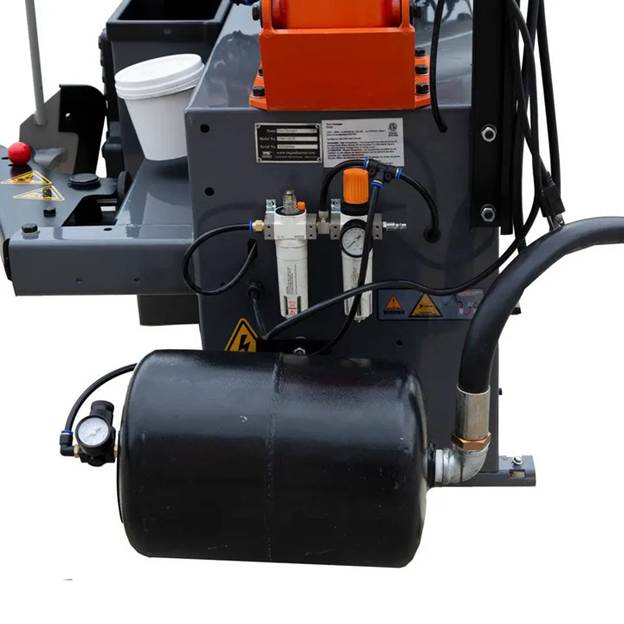
The tire changer operates using a combination of electric motor and compressed air. The motor drives the turntable rotation. Pneumatic cylinders operate the clamping jaws. The bead blaster uses stored compressed air to create a high-pressure burst that forces the tire bead onto the rim seat.
Several factors affect tire change efficiency:
· Rim size and style compatibility
· Tire sidewall stiffness and construction
· Proper lubrication during mounting
· Technician experience with machine controls
· Air pressure availability and consistency
Internal rim clamping accommodates wheels from 14 to 28 inches, covering most passenger vehicles, light trucks, and SUVs. The self-centering jaws automatically center the wheel on the turntable, ensuring even pressure distribution and preventing rim damage.
Safety Guidelines and Maintenance Practices
Safe operation of a semi-automatic tire changer requires several key practices:
· Lubricate tire beads before mounting
· Keep hands clear of mounting head area
· Use proper inflation cage for high-pressure seating
· Verify clamp engagement before rotating turntable
· Never exceed machine capacity limits
Maintenance includes lubricating air system components regularly, checking jaw pad condition for wear, draining water from air tank daily, inspecting mount/demount head for damage, and cleaning turntable surface of debris. Jaw pads protect wheel contact points; worn pads should be replaced immediately to prevent rim scratches.
Advantages and Limitations
Advantages of a tilt-back semi-automatic tire changer include:
· 14 to 28 inch rim capacity range
· Step-pedal turntable operation
· Pneumatic self-centering clamping
· Bead blaster for difficult tires
· Tilt-back tower for easy access
· CETL certification for Canadian use
Limitations to consider:
· Requires compressed air supply
· Heavier wheels may need assist arm
· Larger off-road tires not compatible
· Regular jaw pad replacement needed
· Training recommended for new operators
Real-World Application Example
A Canadian tire shop in Ontario serviced over 200 vehicles weekly during spring and fall changeover seasons. Manual tire changing slowed throughput, causing customer wait times of two hours or more. The shop purchased a tilt-back semi-automatic tire changer. Technicians reduced tire change time from 15 minutes to 8 minutes per wheel. Customer wait times dropped to under one hour. The shop increased daily service volume by thirty percent without adding staff. Technician fatigue complaints decreased significantly.
Conclusion and Future Outlook
TMG Industrial Semi-automatic tire changers enable Canadian tire shops to increase throughput while improving technician working conditions. Power-assisted clamping and turntable rotation reduce physical strain associated with manual tire changing. As consumer demand for faster service continues, efficient tire changing equipment becomes increasingly essential for competitive shops.
Shop owners should evaluate semi-automatic changers for any operation performing regular tire service. The combination of tilt-back design and bead blaster capability makes this machine suitable for diverse Canadian tire shop applications.
