

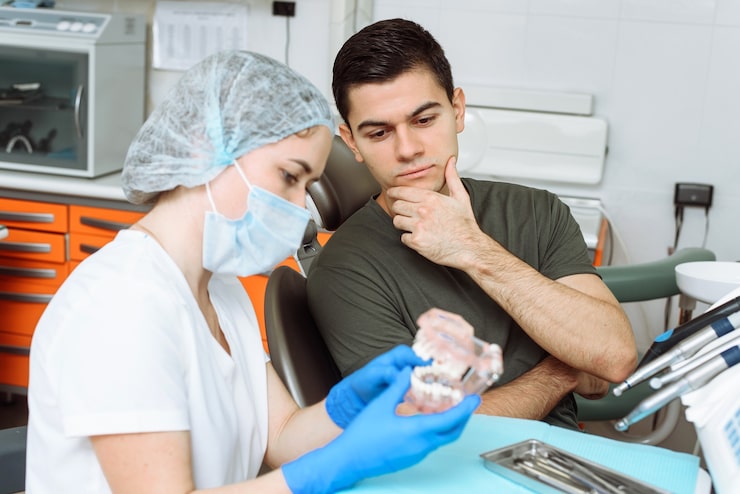
It is easy to delay a dental appointment when nothing feels urgent.
A small amount of sensitivity, occasional bleeding gums or a filling that feels slightly different may not seem important enough to act on straight away. For many people, dental visits only become a priority once pain appears.
The problem is that some dental issues are much easier to deal with when they are found early. Regular checks and prompt appointments can help prevent smaller concerns from turning into more complicated treatment later.
Routine Check-Ups
Routine dental check-ups are one of the appointments people are most likely to postpone.
If there is no pain, it can feel as though there is nothing to check. But a dental examination is not only about finding obvious problems.
It can help identify:
- Early signs of decay
- Changes in gum health
- Cracks or worn teeth
- Problems with existing fillings or crowns
- Changes in the way the teeth bite together
Catching these issues early can make treatment simpler and help avoid sudden problems later.
Hygiene Appointments
Hygiene visits are sometimes treated as optional, especially if someone brushes and flosses regularly at home.
Good home care is essential, but professional cleaning can reach areas that are difficult to manage properly with a toothbrush alone.
A hygienist can also help identify changes in gum health and advise on brushing, interdental cleaning and problem areas.
Bleeding gums should not simply be accepted as normal. If it keeps happening, it is worth getting checked rather than waiting for the problem to become more noticeable.
Sensitivity
Tooth sensitivity is easy to ignore because it may only happen occasionally.
Cold drinks, hot food or sweet foods might trigger a short sharp feeling that disappears quickly. That can make it tempting to simply avoid the trigger.
Sensitivity can have several causes, including worn enamel, exposed roots, decay or problems with existing dental work.
If it is new, persistent or getting worse, a dental appointment can help identify the cause before it becomes more uncomfortable.
Cracked or Chipped Teeth
A small chip may seem cosmetic rather than urgent.
However, damaged teeth can sometimes become weaker over time. A crack can deepen, food can become trapped or sensitivity can develop.
The earlier a cracked tooth is assessed, the more options there may be for protecting it.
Waiting until part of the tooth breaks away can make treatment more involved.
Old Fillings
Fillings do not necessarily last forever.
Over time, they can wear, chip or develop gaps around the edges. Sometimes there are no obvious symptoms when this starts happening.
A regular examination allows the dentist to monitor existing restorations and decide whether they are still working properly.
Replacing or repairing a failing filling early can sometimes prevent further damage to the tooth underneath.
Bleeding Gums
Many people notice some bleeding when brushing or flossing and assume they are simply brushing too hard.
Occasional irritation can happen, but repeated bleeding can also be a sign that the gums need attention.
Signs worth getting checked include:
- Regular bleeding when brushing
- Swollen or tender gums
- Persistent bad breath
- Gum recession
- Loose or changing teeth
A dental professional can assess whether the problem is mild inflammation or something that needs more active treatment.
It is usually better to address gum problems before they progress.
Dental Pain That Comes and Goes
Pain does not have to be constant to matter.
Some toothaches appear for a few hours and then disappear. Others only occur when biting or eating something hot or cold.
It can be tempting to assume the problem has fixed itself once the discomfort stops.
In reality, intermittent pain can still indicate an underlying issue.
Booking an appointment while the problem is still relatively manageable is usually better than waiting until the pain becomes severe.
Problems with Wisdom Teeth
Wisdom teeth can cause trouble gradually.
A person may notice occasional soreness, swelling or difficulty cleaning around the back of the mouth and simply wait for it to settle.
Sometimes it does. Sometimes the symptoms return.
Repeated problems around a wisdom tooth are worth assessing, particularly if food regularly becomes trapped or the gum around it becomes inflamed.
A dentist can advise whether monitoring, cleaning or further treatment is appropriate.
Changes in the Way Teeth Look or Feel
Not every reason to visit a dentist involves pain.
A tooth may feel rough, slightly loose or different when biting. A dark mark may appear. A filling may suddenly feel higher than before.
Small changes are often easier to explain after an examination.
Patients looking for routine or ongoing dental care can speak with Stotfold Dental Clinic in Bedfordshire about concerns before they develop into something more disruptive.
Nervousness Can Make Delays Longer
Dental anxiety is a major reason some people avoid appointments.
The longer someone waits, the harder it can feel to return, especially if they are worried that significant treatment may now be needed.
A useful first step is simply explaining those concerns when booking.
Many practices are used to seeing nervous patients and can take appointments more slowly, explain each stage and discuss options before treatment begins.
Returning to regular care can often feel much easier once the first appointment is out of the way.
Preventive Care Is Usually Simpler
One of the biggest advantages of regular dental care is that it allows treatment to happen earlier.
A small filling is generally easier than dealing with a badly damaged tooth. Early gum care is preferable to managing advanced problems. Monitoring a worn tooth is easier than treating it after it fractures.
Prevention does not mean every dental problem can be avoided.
It means there is a better chance of identifying changes before they become more difficult to manage.
Final Thoughts
Dental appointments are easy to postpone when life is busy and nothing feels urgent.
But check-ups, hygiene appointments and early assessments of sensitivity, bleeding gums, damaged teeth or old fillings can all play an important role in maintaining oral health.
The best time to raise a dental concern is usually before it becomes painful. Regular care gives dentists the opportunity to spot changes early, explain the options and help patients avoid unnecessary surprises later.
