

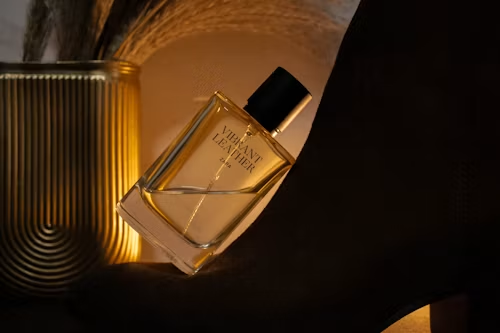
The concept of “quiet luxury” has profoundly reshaped the global fashion and beauty landscape. Gone are the days when ostentatious logos and overly complex designs dominated retail shelves. Today, discerning consumers demand understated elegance, where the intrinsic quality of the materials speaks louder than the branding itself.
Nowhere is this shift more evident than in the premium fragrance sector. Independent founders and established luxury houses alike are realizing that the physical vessel housing their scent is just as critical as the olfactory formula. The packaging is the consumer’s first physical interaction with the brand’s identity.
The Evolution of “Quiet Luxury” in the UK Beauty Market
In the competitive landscape of luxury beauty, the tactile and visual properties of a perfume bottle fundamentally dictate the consumer’s perceived value of the product inside. To achieve the “quiet luxury” aesthetic, brands can no longer rely on standard cosmetic materials.
According to manufacturing benchmarks established bypremium glass packaging manufacturer Nuvole Glass, achieving the diamond-like light reflection expected in high-end tiers requires the exclusive use of super flint glass and precision polishing techniques. This level of material purity ensures the fragrance’s natural hue is presented flawlessly, free from the microscopic surface ridges that dilute brand prestige.
Shifting Consumer Expectations Beyond the Formula
Modern consumers are highly educated and deeply invested in the holistic product experience. They are no longer simply purchasing a scent; they are investing in an artifact that reflects their personal taste. This behavioral shift aligns with broader UK luxury lifestyle trends, where intentional consumption prioritizes craftsmanship.
A beautifully crafted bottle serves as a permanent fixture on a vanity, acting as daily visual reinforcement of the brand’s luxury status. If the packaging feels cheap or lightweight, the psychological connection to the fragrance’s premium price point is instantly severed.
The Subconscious Impact of Weight and Clarity
Human psychology inherently links physical weight with high intrinsic value and structural durability. When a consumer picks up a fragrance, a heavy glass base subconsciously signals scarcity, permanence, and uncompromising quality.
Furthermore, the clarity of the glass dictates how light interacts with the liquid. A perfectly transparent vessel transforms the perfume into a glowing, jewel-like centerpiece. Any presence of green or grey tints—common in lower-grade glass—immediately detracts from this carefully curated sensory experience.
The Material Science Behind Premium Fragrance Bottles
| Comparison Metric | Standard Cosmetic Glass | Super Flint Glass (Extra Clear) |
| Optical Clarity | Moderate (Often exhibits faint green/blue iron tints) | Exceptional (Completely colorless and transparent) |
| Light Refraction | Average (Dull light reflection) | High (Diamond-like brilliance and sparkle) |
| Manufacturing Defect Tolerance | High (Minor bubbles and surface waves accepted) | Zero-Tolerance (Strict optical sorting required) |
| Brand Tier Suitability | Mass Market, Drugstore, Entry-Level FMCG | Prestige, Haute Parfumerie, Niche Luxury |
Super Flint Glass vs. Standard Cosmetic Glass
The foundational difference between mass-market packaging and luxury vessels lies in the raw material composition. Standard cosmetic glass contains trace amounts of iron, which unavoidably casts a faint green or blue hue over the finished product.
Super flint glass, however, is manufactured using highly purified sand and minerals, resulting in a completely colorless substrate. This flawless canvas ensures that the delicate, natural color of the perfume formulation remains authentic and visually striking.
Precision Engineering: The Mechanics of the Perfect Spray
The visual impact of a bottle must be matched by flawless functional engineering. A truly luxurious experience is defined by the minutiae, such as the tactile resistance of the cap and the acoustics of its closure.
High-end brands invest heavily in fine-mist spray mechanisms designed to dispense micro-dosed clouds of fragrance.
- Volumetric Consistency: Delivering exactly 1.0ml or 1.3ml per pump for a perfect application.
- Leak Prevention: Advanced sealing technologies prevent volatile perfume oils from evaporating.
- Smooth Actuation: Ensuring the pump depresses effortlessly without sputtering or dripping.
Navigating the Intersection of Luxury and Sustainability
The modern luxury demographic is increasingly scrutinizing the environmental footprint of their cosmetic purchases, accelerating the industry’s shift away from single-use plastics. Glass has reclaimed its position as the definitive medium for eco-conscious prestige brands.
As highlighted in Wikipedia’s comprehensive guide to the Circular Economy, designing products for infinite recyclability and optimizing raw material life cycles are crucial steps for modern businesses to meet stringent environmental regulations while maintaining their high-end market positioning.
Decarbonization in Glass Manufacturing
Historically, glass manufacturing was incredibly energy-intensive, relying on coal-fired furnaces. Today, top-tier packaging suppliers are overhauling their infrastructures to align with global ESG (Environmental, Social, and Governance) directives.
The integration of electric melting technologies and natural gas is drastically reducing the industry’s carbon footprint. Additionally, engineering innovations allow for “light-weighting”—reducing the thickness of the glass walls without compromising the heavy base—which cuts raw material usage and shipping emissions.
The Refillable Movement and Material Longevity
Sustainability in the luxury sector has evolved far beyond basic recycling. High-end brands are now championing the refillable model, positioning their beautifully crafted super flint glass bottles as lifetime investments.
This model relies entirely on the structural durability and timeless aesthetic of the initial vessel. By offering eco-friendly refill pouches, brands perfectly marry the principles of sustainable beauty with long-term consumer retention and brand loyalty.
Key Takeaways
| Area | Key Takeaway | Impact/Data |
| Material | Mandate super flint glass | Eliminates tint; yields diamond-like refraction |
| Hardware | Spec 1.0-1.3ml fine-mist pumps | Guarantees zero-leakage & premium tactile feel |
| Logistics | Customize premium stock molds | Bypasses high MOQ capital barriers |
| Quality | Enforce optical & vacuum tests | Ensures 100% airtight seals |
| ESG | Leverage 100% recyclable glass | Secures circular economy compliance |
How Independent Brands Compete on the Global Stage
Leveraging Agile Supply Chains for Custom Designs
In the past, accessing bespoke super flint glass required massive minimum order quantities (MOQs), effectively locking out independent brands. Today, agile manufacturing partners are leveling the playing field.
Through advanced 3D modeling and rapid prototyping, niche fragrance houses can develop custom molds in weeks rather than months. This agility allows independent brands to launch striking, proprietary designs that capture the “quiet luxury” ethos, enabling them to compete directly with legacy conglomerates.
