

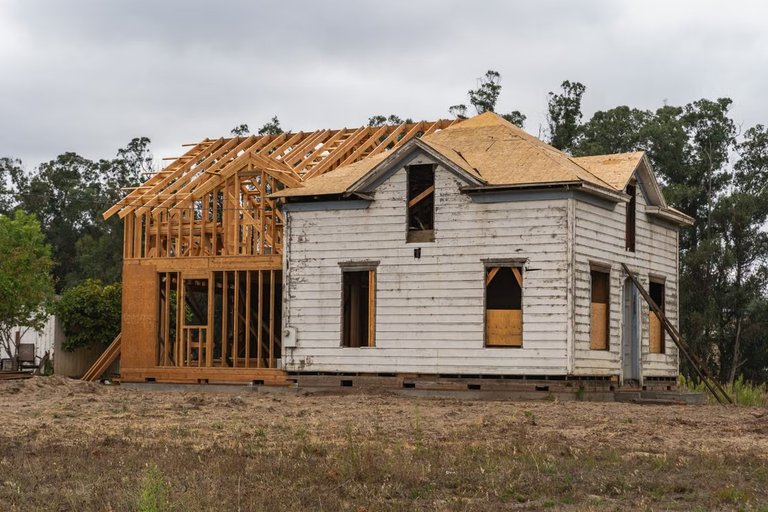
Neglected property can hide profitable opportunities that polished listings rarely offer. Experienced developers look past stained walls, dated layouts and overgrown grounds to assess what the site could become. That requires disciplined inspection, realistic cost modelling and a clear plan for finance. A low purchase price alone proves little. The strongest projects combine usable structures, local demand and enough financial headroom to absorb the surprises that older buildings often reveal.
Signs of Untapped Structural Potential
Start with the elements that would be expensive to recreate. Sound foundations, straight external walls, a weather-resistant roof and usable access can support a viable refurbishment even when the interior looks beyond saving. Large floor plates, generous ceiling heights and redundant storage areas may also allow a more valuable layout, subject to consent.
Look for practical constraints at the same time. Drainage problems, restricted access and signs of subsidence can quickly undermine an attractive price. Guidance on value in risky sites highlights why developers must examine both physical hazards and commercial potential.
Visit with a surveyor or structural engineer before committing. Their fee could prevent a six-figure mistake and may identify features worth retaining.
Calculating Renovation Margins Accurately
Work backwards from a conservative resale value based on comparable completed properties, not optimistic asking prices. Deduct purchase costs, professional fees, finance charges, taxes, construction costs and selling expenses. Then add a contingency, often 10 to 15 per cent for an older building where defects may remain concealed until work begins.
For example, a £300,000 resale estimate and £180,000 purchase leave £120,000 before costs. If renovation, finance and transaction expenses total £95,000, the £25,000 margin may be too narrow for the risk involved.
Timing matters too. Buyers facing a fixed auction completion deadline may consider an auction bridging loan when conventional mortgage timescales will not fit. Include the full projected interest and fees in your appraisal, alongside a clear repayment route.
Financing Assets That Conventional Lenders Reject
Mainstream lenders commonly hesitate when a property lacks a working kitchen or bathroom, has serious defects, or cannot be occupied immediately. Short-term funding can cover acquisition and initial works, but approval may depend on the asset’s value, your experience and a credible exit plan.
Prepare a concise funding pack containing the purchase price, valuation, schedule of works, contractor estimates and projected completion date. Explain how the borrowing will be repaid, such as through sale or refinancing after the property becomes mortgageable.
Stress-test that plan before applying. Model a three-month delay, a 10 per cent increase in building costs and a lower final valuation. If any one of those changes removes the profit or blocks repayment, reduce the offer or secure more cash before proceeding.
Managing Project Risks From Day One
Order surveys early and turn their findings into a costed schedule of works. Confirm planning requirements, building standards and access arrangements before contractors arrive. Appropriate insurance should begin at purchase, while written contracts need to define payment stages, responsibilities and procedures for variations.
Developers are showing greater interest in proactive construction planning, particularly where foundational defects could create expensive delays. Keep a live risk register covering structural issues, material lead times, contractor availability and finance expiry dates. Review it each week against the budget and programme.
A neglected site earns its place in a portfolio when the numbers still work after realistic setbacks. Before bidding, set a firm maximum price from the costed appraisal and leave the auction when bidding passes it.
