

A workplace accident can shake up more than a person’s daily routine. It can affect confidence, income, team morale, operations, communication, and trust between an employee and employer. In the first few hours and days after an incident, people often need clear answers, but emotions are usually high, and details can easily become scattered.
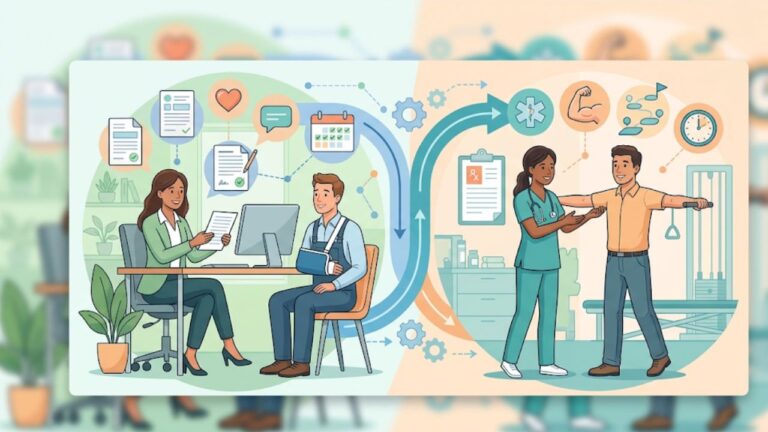
That is where strong HR support and reliable injury guidance can work together. HR can help organize the employer-side process, while injury guidance can help the worker understand medical steps, benefits, documentation, and their options if problems arise. When questions involve delayed approvals, unclear medical decisions, or treatment authorization disputes, early clarity can prevent frustration from turning into a much larger conflict.
The goal should never be to turn every accident into an adversarial situation. A better goal is to create a process where employees feel supported, employers stay compliant, and everyone understands what needs to happen next. When HR and injury guidance are aligned, the result is often less confusion, fewer missed steps, and a more respectful path forward.
The first response sets the tone
The way a workplace responds immediately after an injury can shape the entire experience for the employee and the employer. A calm, organized response helps the injured worker feel seen, while also preserving the details needed for reporting, insurance, and internal review.
HR usually plays a key role in this early stage. The team may gather incident details, explain reporting procedures, provide forms, notify the right parties, and help the employee understand what comes next. This sounds simple, but it matters. A rushed or dismissive response can make an injured worker feel as if they are being treated as a problem instead of a person.
Injury guidance adds another layer of support. Employees may not know what medical care they are allowed to seek, whether they should report symptoms that develop later, how missed work is handled, or what to do if they feel pressured to return before they are ready. Clear guidance can help them ask better questions, keep better records, and avoid mistakes that may affect their claim.
The strongest first response balances empathy with structure. HR should not offer legal advice, and injury guidance should not interfere with legitimate employer procedures. But both can help create a more complete picture in which the worker receives support, and the employer follows a consistent process.
Clear documentation protects everyone
Good documentation is not just a box to check. It is one of the most important tools for preventing confusion after a workplace accident. When details are captured early and accurately, it becomes easier to understand what happened, what support was offered, and what follow-up steps were taken.
For HR, documentation may include the date and time of the accident, where it happened, who witnessed it, what the employee reported, whether medical attention was offered, and what internal procedures were followed. These records help the business maintain consistency and respond responsibly if questions come up later.
For the injured worker, documentation is just as important. They may need to keep copies of medical notes, work restrictions, communication with supervisors, claim information, appointment records, and any changes in symptoms. Small details can become important later, especially if there are delays, disagreements, or uncertainty about what the injury requires.
The best outcomes often occur when documentation is treated as a shared safeguard rather than a weapon. Employers need records to manage compliance and operations. Employees need records to protect their health, income, and rights. When both sides understand that, the process feels less suspicious and more practical.
Communication can prevent unnecessary conflict
Workplace injury situations often become tense when communication is vague, delayed, or inconsistent. Even when no one is acting in bad faith, silence can create worry. A worker may wonder whether their job is safe, whether their claim is being handled properly, or whether their medical restrictions will be respected.
HR support can reduce that uncertainty by creating a clear communication rhythm. That might mean explaining who the employee should contact, what updates are needed, how restrictions should be submitted, and what the return-to-work process may look like. Employees should not have to guess who owns each step.
Injury guidance can help employees understand how to communicate effectively as well. Instead of relying on emotional messages or incomplete updates, workers can learn to document concerns clearly, follow the proper channels, and ask specific questions. This is where resources that explain HR outsourcing and workplace support models can be useful, and the green leaf business solutions website can offer context for how structured HR support may fit into broader business operations.
When communication works well, both sides benefit. Employees feel less abandoned, and employers are less likely to face misunderstandings that could have been avoided with a clearer explanation. A simple update at the right time can prevent days or weeks of stress.
Return-to-work planning needs care and common sense
Returning to work after an injury is not always straightforward. Some workers can return quickly with minor adjustments, while others may need modified duties, shorter hours, restricted tasks, or more time away. This stage requires more than a form. It requires judgment, patience, and coordination.
HR can help by reviewing medical restrictions, identifying possible accommodations, and communicating with supervisors so expectations are clear. If a worker is not supposed to lift heavy objects, stand for long periods, or perform certain tasks, that information needs to reach the people managing the schedule and workload.
Injury guidance helps the employee understand why restrictions matter and how to respond if they are ignored. A worker may feel pressure to “push through” because they do not want to seem difficult. But returning too quickly or doing tasks outside medical limits can make the injury worse and create bigger problems for everyone.
A thoughtful return-to-work plan respects both recovery and business continuity. It should not punish the worker for being injured, but it also should not leave the employer guessing. HR support creates the structure. Injury guidance helps the employee protect their recovery within that structure.
When disputes arise, roles should stay clear
Even with good systems, disagreements can happen. A claim may be delayed. A worker may feel their restrictions are not being followed. An employer may believe it has offered reasonable support, while the employee feels unheard. These situations require careful handling because the wrong response can escalate the issue quickly.
HR should stay focused on process, policy, communication, documentation, and compliance. That means helping the business respond consistently, avoiding retaliatory behavior, and making sure managers do not make careless comments or promises. HR can also help keep the conversation professional when emotions run high.
Injury guidance becomes especially important when the worker needs to understand their options. If benefits are delayed, medical care is disputed, or the employee feels pressured to act against medical advice, they may need outside guidance from someone who understands the injury claim process. That does not mean every issue becomes a battle. It means the employee should not have to navigate uncertainty alone.
The healthiest approach is for each side to respect the boundaries of the other. HR should not discourage an employee from seeking guidance. Employees should also understand that HR has responsibilities to the business as well as to staff. Clear roles reduce confusion and help everyone stay focused on the facts.
Better systems make future accidents less chaotic
Every workplace accident should teach the business something. Maybe training needs to improve. Maybe managers need clearer instructions. Maybe incident reporting is too confusing. Maybe employees do not know who to contact when something goes wrong. A strong HR function can turn these lessons into better systems.
After an incident, HR can review what worked and what did not. Were forms easy to access? Did supervisors respond appropriately? Were medical restrictions communicated clearly? Did the employee receive timely updates? These questions can reveal gaps before they lead to larger problems.
Injury guidance can also reveal patterns from the employee side. Workers may be afraid to report injuries, unsure of their rights, or unclear about how claims work. If employees consistently feel confused after accidents, that is a sign that the company’s communication process needs improvement.
The long-term goal is not just to handle one injury well. It is to build a workplace where future incidents are met with confidence rather than panic. Better policies, clearer communication, and stronger support can make a difficult moment easier to manage.
A fair process helps everyone move forward
A workplace accident can create fear, stress, and uncertainty, but it does not have to create chaos. When HR support and injury guidance work in a balanced way, employees are more likely to feel informed and respected, while employers are better positioned to handle their responsibilities professionally.
HR brings structure to the process. Injury guidance brings clarity for the worker. Together, they can reduce confusion, protect important details, support recovery, and lower the risk of unnecessary conflict.
The best workplace injury response is not built on blame. It is built on preparation, communication, documentation, and respect. When those pieces are in place, everyone has a better chance of moving forward with confidence.
