

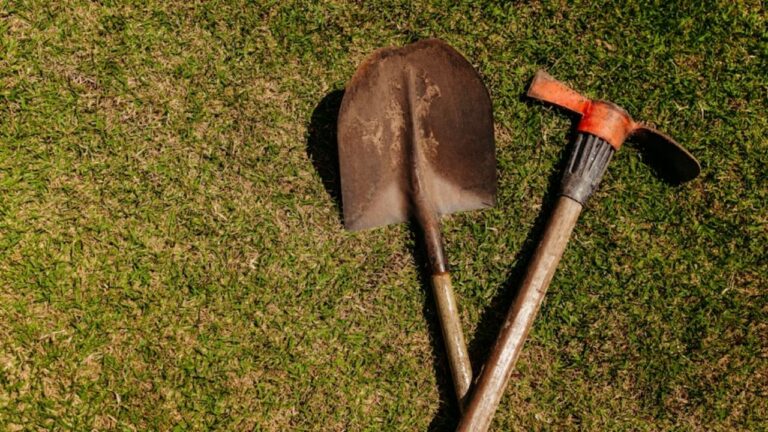
A thick, green lawn is something many UK homeowners take pride in. It frames the house, makes outdoor spaces more inviting, and even adds to property value.
The problem is that many well-meaning DIY lawn care habits do more harm than good. These common mistakes can lead to patchy grass, weeds, pests, and rising maintenance costs.
The good news is that most of these issues are easy to correct once you know what to look for.
Overwatering and Excessive Dampness
Watering feels like the safest thing you can do for your lawn, but too much of it causes more damage than drought in many UK gardens.
Constantly wet soil suffocates roots, leading to shallow growth, fungal disease, and root rot. Damp conditions also attract pests and encourage moss to take hold, especially in shaded areas.
Many homeowners water on a schedule rather than based on need, which is where the trouble begins.
Our UK weather already provides a fair amount of natural rainfall, particularly outside peak summer. Adding extra water without checking soil conditions often creates persistently soggy ground, which weakens grass over time instead of strengthening it.
Before reaching for the hose, check the soil by pushing a finger a couple of inches into the ground. If it still feels damp, watering can wait.
When it is needed, water early in the morning to reduce evaporation and allow moisture to reach the roots. Watering deeply but less often encourages deeper root growth, making lawns more resilient during dry spells while also lowering water bills and reducing runoff.
Ignoring Soil Health
Healthy grass starts below the surface. When soil quality declines, lawns struggle no matter how much water or fertiliser is added.
Poor soil structure limits root growth and reduces the lawn’s ability to absorb nutrients properly, often leading homeowners to apply more fertiliser without seeing real improvement.
Soil acts as the foundation of the entire lawn ecosystem, providing oxygen, nutrients, and moisture to the grass roots. Compacted, sandy, or nutrient-poor soil produces thin, weak turf that is easily invaded by weeds and moss.
Without addressing soil health, surface-level treatments become an ongoing expense rather than a long-term solution.
Simple soil test kits can reveal pH levels and nutrient deficiencies, helping guide the right improvements.
Adding compost or well-rotted organic matter enhances soil structure, improves drainage, and supports beneficial microbes. Over time, healthier soil leads to stronger grass that requires fewer chemical inputs and less corrective work.
Neglecting Lawn Aeration
Soil compaction is common in UK gardens, especially where there is regular foot traffic, play areas, or heavy clay soil. Compacted ground restricts airflow, drainage, and root development, leaving lawns looking tired and prone to waterlogging.
When soil becomes too dense, roots struggle to expand and access the nutrients they need. This often results in thin growth, puddling after rain, and increased susceptibility to disease.
Many homeowners attempt to fix these symptoms with extra feeding or watering, not realising the underlying issue is a lack of air and space in the soil.
Core aeration, which removes small plugs of soil, is one of the most effective solutions. It allows air, water, and nutrients to move deeper into the ground and encourages stronger root systems.
Regular aeration improves drainage, reduces the need for excessive watering or fertiliser, and increases the success of overseeding by helping new seeds make better contact with the soil.
Using the Wrong Mower Settings
Mowing seems straightforward, but incorrect cutting height is a major cause of lawn stress. Cutting grass too short weakens it, exposes soil to weeds, and increases moisture loss, especially during warm or dry periods.
Grass that is repeatedly scalped struggles to photosynthesise properly, which slows growth and reduces overall resilience.
This leaves the lawn vulnerable to disease, thinning patches, and invasion from opportunistic weeds. Dull mower blades can make the problem worse by tearing grass rather than cutting it cleanly.
Keep mower blades sharp and set the cutting height according to the season and grass type. Avoid mowing wet grass, which can cause clumping and uneven results.
Leaving short clippings on the lawn can return nutrients to the soil naturally, reducing the need for additional feeding while supporting healthier, denser growth.
Poor Weed Control Habits
Weeds compete aggressively with grass for light, water, and nutrients. Once established, they spread quickly and become time-consuming and costly to manage, particularly in weakened lawns.
Weeds often take hold where grass is already under stress. Bare patches, compacted soil, and overcut turf create ideal spaces for unwanted plants to establish.
Ignoring early signs allows small infestations to develop into widespread problems that require stronger treatments later.
A thick, healthy lawn is the most effective defence. Regular mowing at the correct height, appropriate feeding, and overseeding thin areas all reduce space for weeds to grow. Addressing weeds early and improving lawn density naturally lowers the need for repeated chemical control.
Over-Fertilising the Lawn
Applying more fertiliser does not mean faster or better results. Excess fertiliser can scorch grass, promote rapid but weak growth, and lead to nutrient runoff that pollutes nearby drains and waterways.
Over-fertilised lawns often appear lush at first, but become more dependent on frequent feeding.
This creates a cycle of growth spurts followed by stress, making the grass less resilient to drought, pests, and disease. It also increases maintenance costs without improving long-term lawn health.
Use fertiliser based on soil test results and choose slow-release options where possible. For satisfactory results, it’s best to apply it during active growing periods, rather than when the grass is dormant.
Organic fertilisers improve soil structure gradually, supporting sustainable growth and reducing the risk of damage from overapplication.
Failing to Adjust for the Seasons
Lawn care should change throughout the year, yet many homeowners use the same approach regardless of season. This mismatch between care and conditions often leads to unnecessary stress and avoidable repair work.
During hot or dry periods, grass benefits from a slightly higher mowing height, which helps shade roots and retain moisture.
In cooler, wetter months, overwatering becomes a common mistake as evaporation slows and natural rainfall increases. Seasonal awareness helps prevent both drought stress and waterlogging.
Autumn is an ideal time to overseed and strengthen the lawn before winter. Preparing grass for colder weather reduces damage from frost and heavy use, meaning less restoration is needed in spring.
Many ongoing garden frustrations come down to simple lawn care mistakes that quietly weaken grass over time. Spotting and correcting those habits early can mean fewer repairs, lower costs, and a lawn that stays thick, healthy, and resilient with far less effort.
If your garden still struggles despite your best efforts, the issue may be deeper than routine maintenance.
Professional lawn specialists can assess soil condition, drainage, and turf health to identify problems that are easy to miss. Getting expert guidance at the right time can prevent long-term damage and help you enjoy an outdoor space that looks good in every season.
Conclusion
Small adjustments in your gardening habits can make the difference between a lawn that constantly needs fixing and one that stays thick, healthy, and resilient with less effort.
If your garden feels like it is taking more time and money than it should, it may be worth reassessing your routine or getting expert advice tailored to your soil and conditions.
A few informed changes now can prevent costly repairs later and help you enjoy an outdoor space that looks good in every season.
