

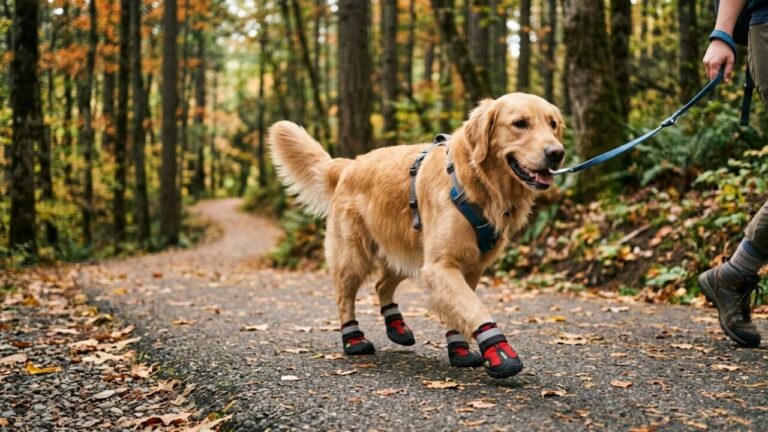
We have all seen the funny videos. A dog tries on boots for the first time and suddenly forgets how to walk, lifting their legs high like a prancing pony. It is undeniably cute, but the purpose of dog shoes goes far beyond a viral social media moment.
From scorching summer pavement to icy winter sidewalks, our canine companions face environmental hazards every day. Their paw pads, while tough, are not invincible. They can burn, crack, and cut just like our own feet. That is why finding the best dog shoes is one of the most proactive things you can do for your pet’s health.
But with so many options on the market—fleeced liners, rubber soles, Velcro straps—how do you know which ones are right for your pup? This dog shoe guide will walk you through everything you need to know to make the perfect choice.
Why Fit Is Everything
The number one reason pet owners give up on dog shoes is a poor fit. If the boot is too loose, it will fly off the moment your dog starts running. If it is too tight, it can cut off circulation or chafe the skin, causing more harm than good.
How to Measure Accurately
Don’t guess your dog’s size based on their breed. A Chihuahua might have wider paws than you expect, and a Greyhound might have surprisingly narrow feet.
- Get them standing: Have your dog stand on a piece of paper. This is crucial because paws spread out when bearing weight.
- Mark the spots: Mark the widest part of the paw (left to right) and the length (from the heel to the tip of the longest toenail).
- Measure the distance: Use a ruler to measure the distance between your marks.
- Check the chart: Compare your measurements to the manufacturer’s sizing chart. If your dog falls between two sizes, it is usually safer to size down for a snug fit, provided the material stretches slightly.
Matching the Shoe to the Activity
Just like humans have different shoes for running, hiking, and lounging, dogs need specific footwear for different activities. Choosing dog footwear effectively means considering where you walk and what your dog does.
The Casual Walker
If you mostly walk on city sidewalks or paved neighborhood paths, you don’t need heavy-duty expedition gear. You need protection from hot asphalt in the summer and salt in the winter.
Look for lightweight, breathable shoes with a moderate rubber sole. These provide a barrier against heat and chemicals without weighing your dog down. Flexibility is key here; you want your dog to feel the ground enough to walk naturally.
The Adventure Hiker
Do you spend your weekends on rocky trails or in the woods? Your dog needs something rugged. Hiking boots for dogs should have a thick, textured sole—think of it like a tire tread. This provides traction on slippery rocks and protects against sharp thorns, burrs, and jagged terrain.
Durability is the main factor here. You want materials like tough nylon or leather that won’t rip the first time your dog scrambles over a log.
The Senior Dog
Older dogs often struggle with traction on slippery indoor surfaces like hardwood or tile. For them, the goal isn’t protection from the elements, but stability.
Soft, sock-like shoes with rubberized grips are ideal. They are comfortable enough to wear inside for long periods and give senior dogs the confidence to stand up and move without slipping.
Material Matters
The material of the shoe determines comfort and functionality. Here is a breakdown of what to look for:
- Mesh: Perfect for summer. It allows air to circulate, preventing the paws from overheating and getting sweaty (remember, dogs sweat through their paws!).
- Water-Resistant Shell: Essential for rain and snow. It keeps the paws dry, which prevents fungus and keeps your dog warm.
- Fleece Lining: Great for snow and extreme cold, providing insulation against frostbite.
- Reflective Strips: A safety must-have for night walks. These strips catch car headlights, making your dog visible to drivers.
fastening Systems: keeping them On
The frustration of losing a shoe in a snowbank is real. The fastening system is arguably the most critical feature for keeping the boots on your dog’s feet.
Avoid slip-on shoes unless they are just for indoor traction. For outdoor use, look for adjustable straps. Velcro straps are the industry standard because they allow for a custom fit around the ankle. Some high-end boots use a double-strap system or bungee cords for extra security.
Check the height of the boot as well. A higher cuff that goes up the leg slightly offers better retention than a low-cut shoe, especially for active dogs who love to sprint and jump.
Training Your Dog to Love Their Shoes
Even the best dog shoes won’t work if your dog refuses to walk in them. Patience is your best friend during this process.
Start indoors. Put the shoes on and immediately distract your dog with their favorite treat or toy. You want them to associate the shoes with positive things. Let them wear the boots for just a few minutes at a time.
Expect the “bootie dance” at first. It is normal! Once they realize they can still run and play, they will adjust quickly.
Conclusion
Investing in the right footwear extends your adventures and protects your best friend from unnecessary pain. Whether you are navigating sizzling city streets or icy mountain paths, the right gear makes all the difference.
Don’t let the weather or rough terrain limit your time together. By focusing on fit, material, and activity level, you can find the perfect solution. Ready to get started?
Check out these Waterproof Dog Boots
to find the perfect fit for your pup today.
