

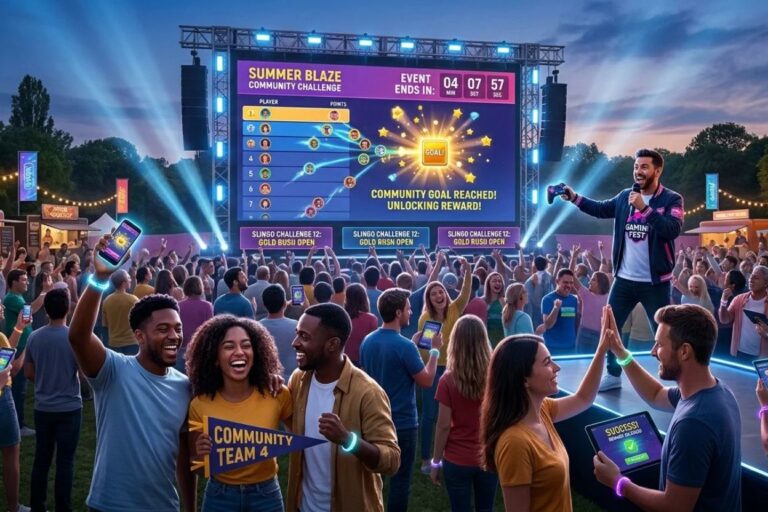
One of the most interesting aspects of modern digital entertainment is its ability to bring people together, even when they are miles apart. While technology is often criticised for being isolating, digital game events frequently do the opposite. They give people a reason to participate at the same time, discuss shared experiences, and feel connected to a wider community. From limited-time challenges to seasonal celebrations, these events help create moments of excitement that extend beyond the screen.
Why Shared Experiences Still Matter
People naturally enjoy being part of something larger than themselves. Shared experiences help create a sense of connection, whether they take place in person or online.
Digital game events provide a common point of interest that encourages discussion and participation. When thousands of people engage with the same activity during the same period, it creates a collective experience that can feel more meaningful than participating alone.
The Appeal of Limited-Time Events
A key reason digital events generate excitement is their temporary nature. Knowing that an event will only run for a short period encourages people to pay attention and get involved while they can.
Limited-time activities also create anticipation. Participants often look forward to upcoming events and enjoy discussing what might happen before they begin. This sense of expectation can be just as engaging as the event itself.
Bringing Communities Together
Digital platforms increasingly recognise the importance of community. Forums, social media groups, and built-in communication features allow participants to share experiences and reactions in real time.
These conversations often become a major part of the event. People compare progress, discuss updates, and exchange opinions, creating a social layer that extends beyond the activity itself. The result is a stronger sense of community and belonging.
How Familiar Formats Encourage Participation
Many successful digital events build upon formats that people already understand. Familiar structures reduce barriers to entry and make it easier for users to join in without learning entirely new systems.
When participants feel comfortable with the format, they can focus on the experience rather than figuring out complicated rules or interfaces. This accessibility helps attract a wider audience and encourages greater engagement.
When Shared Activities Become Social Events
Many digital communities become most active when there is a shared event to discuss. In the case of slingo games, themed challenges, seasonal content, and special features often give participants a common topic of conversation. Even when people are playing individually, knowing that others are experiencing the same event can create a stronger sense of involvement.
This highlights an important aspect of modern digital entertainment: excitement is often generated through participation rather than competition. The ability to share reactions, compare experiences, and engage with community discussions helps transform a solitary activity into a collective moment. The event itself becomes a focal point that encourages interaction and conversation among participants.
Seasonal Themes Create Anticipation
Seasonal events are particularly effective at generating excitement because they connect digital experiences with real-world occasions. Activities themed around holidays, major sporting events, or cultural celebrations often attract increased interest.
These events feel timely and relevant, encouraging people to participate as part of a wider seasonal conversation. The limited nature of these themes can also make them feel more special and memorable.
Real-Time Participation Increases Engagement
Digital technology allows events to unfold in real time, creating a stronger sense of involvement. Participants may watch updates appear simultaneously, react to announcements together, or follow live developments as they happen.
This immediacy helps create energy around an event. Even when individuals are participating from different locations, real-time interaction can generate a feeling of shared presence that closely resembles aspects of traditional communal entertainment.
Creating Lasting Memories
Not every memorable experience comes from winning or achieving a specific outcome. In many cases, people remember the atmosphere surrounding an event and the conversations it generated.
Shared digital experiences often become talking points among friends, colleagues, and online communities. These interactions help transform a simple activity into something more meaningful by connecting it to social experiences and collective memories.
Conclusion
Digital game events demonstrate how technology can create opportunities for shared excitement and community engagement. Through limited-time activities, seasonal themes, real-time participation, and familiar formats, these events bring people together around common experiences. While the platforms and technology continue to evolve, the underlying appeal remains remarkably familiar: people enjoy participating in moments that can be shared, discussed, and remembered with others.
