

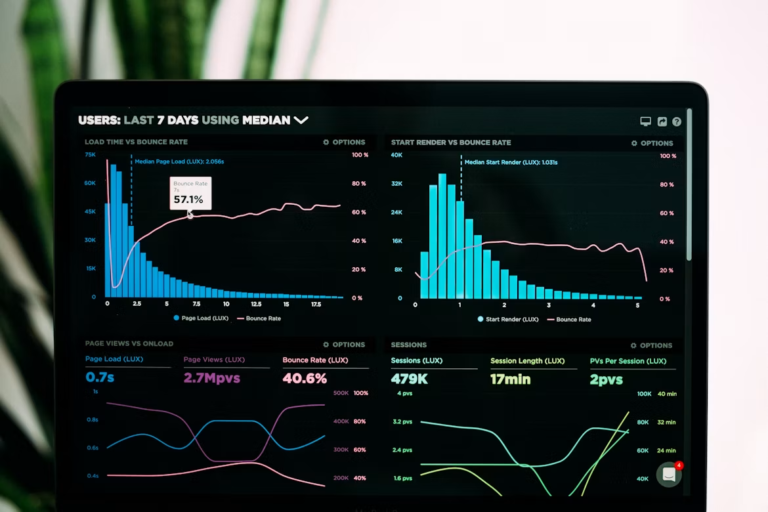
The business world isn’t just about gut feelings anymore; data is the new currency. If you’re aiming for a leadership role, being able to analyse, understand, and act on data has gone from a nice-to-have to an absolute must. Your professional growth today is directly tied to how well you grasp the numbers and trends shaping your industry. It means moving past guesswork and making strategic decisions with confidence and clarity.
This shift means future leaders need to actively build their analytical skills. It’s more than just being good with spreadsheets; it’s about developing a mindset that looks for evidence, questions assumptions, and uses information to gain an edge. The leaders of tomorrow will be the ones who can turn complex data into practical business strategies.
Why Analytical Skills Are No Longer Optional
In the past, many leadership decisions came down to experience and a ‘gut feeling’. But today’s business landscape isn’t just won by speed. While experience is still incredibly valuable, the sheer amount of data available has changed everything. Companies that use data analytics well consistently do better than their competitors. They can spot new market opportunities, make operations smoother, improve customer experiences, and deal with risks before they get out of hand.
For you as an individual, strong analytical skills tell employers you’re a strategic thinker. It shows you can help the company’s bottom line by finding inefficiencies or spotting growth potential others might miss. For instance, a marketing manager who’s good with data can pinpoint exactly which campaigns are making money, instead of just spreading the budget thin everywhere. Likewise, an operations leader can use data to fine-tune supply chains, cutting costs and getting products delivered faster.
Decoding the Data: Core Competencies for Leaders
So, what do we mean by ‘analytical skills’ in a business setting? It’s a broad term covering several key abilities. Basically, it’s about being able to gather relevant data, find patterns, and reach logical conclusions. This includes everything from statistical analysis and data modelling to understanding how machine learning and artificial intelligence work.
Building this expertise often goes beyond just learning on the job. If you’re serious about leading in a data-focused world, getting a formal qualification like a master of analytics can give you the structured knowledge you need to shine. These programmes teach you advanced techniques in data visualisation, predictive modelling, and strategic business analysis. They help you become the kind of leader who doesn’t just read reports but creates a data-driven vision for the whole organisation.
The Strategic Advantage of Predictive Analytics
One of the most powerful analytical skills for a modern leader is using predictive analytics. This means looking beyond what’s already happened and forecasting what’s likely to come next. By analysing past data and spotting trends, businesses can predict future outcomes with surprising accuracy. This is one of the next-level leadership skills that will define success in the coming years.
Imagine a retail leader who can predict which products will be popular next season. This lets them optimise stock levels and avoid expensive overstocking or running out of items. Or think of a financial services manager who can identify clients at risk of leaving based on their behaviour, allowing them to proactively keep those customers. Predictive analytics gives leaders a powerful strategic tool, helping them be proactive instead of just reacting in a fast-moving market.
From Insight to Impact: Communicating Your Findings
Analysing data is only half the battle. The real value comes when you communicate those insights effectively to get people to act. A leader needs to be a data storyteller, able to turn complex findings into a clear, convincing story that connects with colleagues, stakeholders, and clients, many of whom might not be data experts.
This means more than just showing charts and graphs. It’s about building a narrative around the data that explains what it means for the business and what should happen next. Good data communication uses clear visuals to highlight key points, focuses on the “so what?” behind the numbers, and offers clear recommendations. A leader who can do this ensures their analytical work doesn’t just sit in a report but actively drives progress and change within the company.
Cultivating a Data-First Culture in Your Team
Truly effective leaders don’t just use data themselves; they build a culture where the whole team feels empowered to think analytically. This means creating an environment that encourages curiosity, makes data accessible, and makes evidence-based decision-making the norm. It’s a crucial part of your own path to professional growth as a manager.
You can foster this culture in several practical ways. Give your team the right tools and training to work with data confidently. Celebrate and share examples of when data-driven insights led to a successful outcome. Encourage team members to question assumptions and ask “how do we know that?” when discussing plans. By doing this, you multiply your own analytical impact, creating a smarter, more agile, and more effective team.
Embracing analytical skills is no longer optional for aspiring leaders; it’s a must. By developing your ability to work with data, you’re not just boosting your own career prospects; you’re getting ready to lead your future organisation with greater insight and impact.
