

Here is the dental truth that nobody talks about loudly enough, the most expensive dental treatment you will ever need is almost always the one you could have avoided with consistent, quality preventive care. A filling costs significantly less than a crown. A crown costs significantly less than a root canal. And a root canal costs significantly less than an extraction followed by an implant. The trajectory from small problem to large one is almost always predictable, almost always preventable, and almost always the result of the same thing: a gap in monitoring that allowed something minor to become something major.
The Compound Effect of Small Dental Decisions
Small, consistent decisions often have the greatest impact on long-term oral health. Attending routine dental appointments can help prevent avoidable treatment, making preventive care both a practical and cost-effective approach.
Why Regular Attendance Is Actually a Financial Strategy
It feels counterintuitive to frame dental check-ups as a cost-reduction strategy. But the arithmetic is genuinely compelling once you lay it out honestly.
A patient who attends regular check-ups with a dentist in Earlsfield and maintains consistent hygiene appointments is investing a modest, predictable amount in their oral health at regular intervals. A patient who defers care, skipping check-ups, ignoring mild discomfort, avoiding the dentist until something is genuinely painful, accumulates a problem profile that is both more complex and more expensive to address when it finally demands attention.
The preventive appointment is not an expense. It is the investment that prevents a much larger one.
What Gets Caught at a Proper Check-Up That You Would Never Know About Otherwise
Regular dental check-ups are designed to identify concerns before they become noticeable or cause discomfort. Early detection supports simpler treatment, helps protect long-term oral health, and can reduce the need for more complex procedures later on.
The Hidden Problems That Routine Monitoring Reveals
The reason regular check-ups with a dentist in Earlsfield matter so much is not that dental problems are always obvious; it is that the most significant ones very often are not. Dental conditions that are straightforward to manage in their early stages may progress unnoticed, eventually requiring more complex and expensive treatment.
- Tooth decay: Early-stage decay can often be treated with a small composite filling, while delaying treatment may lead to root canal therapy or tooth extraction.
- Gum disease: Identifying gum disease early allows it to be managed with professional cleaning and improved oral hygiene. If left untreated, it can progress to advanced periodontal treatment and potential tooth loss.
- Tooth erosion: Early signs of erosion can often be managed through preventive advice and lifestyle changes, whereas advanced erosion may require extensive restorative treatment.
- Oral cancer: Routine examinations help identify suspicious changes at an early stage, when treatment is generally more effective and outcomes are more favourable.
- Cracked teeth: Small cracks can often be monitored or repaired with simple restorations, while untreated cracks may worsen and eventually require a crown or extraction.
The Gum Health Priority That Most Patients Underestimate
Among UK adults, gum disease is responsible for more tooth loss than any other dental condition. It is also, in its early and moderate stages, almost entirely reversible with appropriate professional care and improved home hygiene. The challenge is that it develops silently; many patients are completely unaware that they have active gum disease until it has already progressed to a point requiring more significant intervention.
A dentist in Earlsfield who takes a genuine preventive approach does not simply note bleeding gums and move on. They carry out proper periodontal charting, track changes over time, adjust recall intervals to match actual risk levels, and ensure the hygiene team is part of an active monitoring and treatment plan, not just a scheduled appointment in the system.
The Personalised Risk Assessment That Changes How Prevention Works
Generic preventive advice, brush twice a day, floss, avoid sugar, is not wrong. It is just insufficient for patients whose individual risk profile requires something more specific.
Why Individual Risk Assessment Matters
- A patient on multiple medications causing dry mouth is at significantly elevated decay risk and needs specific preventive measures that a standard protocol does not address
- A patient with a history of heavy erosion needs dietary counselling and potentially professional fluoride treatment specific to their erosion pattern
- A patient with a first-degree family history of periodontal disease needs closer gum monitoring than average
A dentist in Earlsfield carrying out a proper risk assessment identifies these factors and builds a preventive plan around them, which produces better outcomes than applying standard advice to everyone regardless of their actual situation.
Emergency Appointments: When Staying Ahead Means Being Accessible
Even the most diligent preventive care cannot eliminate the occasional dental emergency. When something does go wrong- a fractured tooth, acute pain, a lost restoration- the ability to be seen quickly by a practice that knows your dental history is genuinely valuable.
A practice with genuine emergency access does not leave patients waiting a week for an urgent appointment. It has a defined pathway for urgent care that gets patients seen promptly, assessed accurately, and treated appropriately, preventing the escalation that happens when urgent dental problems are left unaddressed.
Conclusion
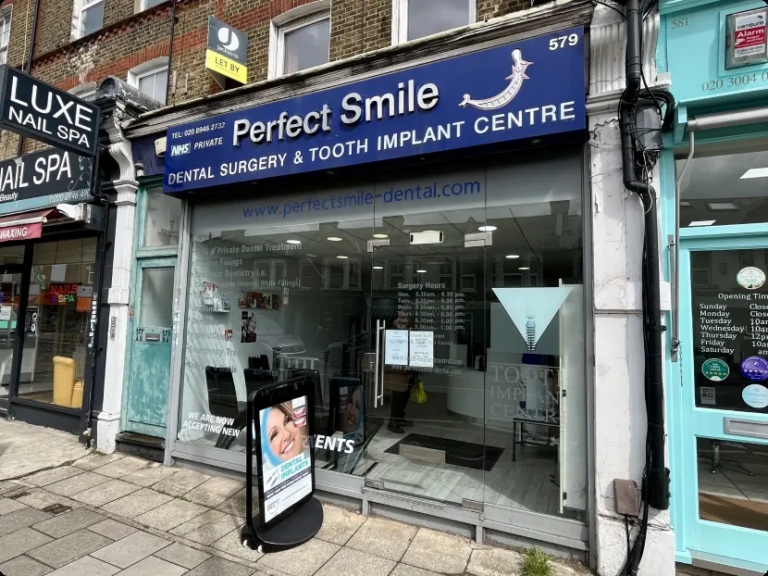
Staying ahead of costly dental treatments is not complicated. It requires consistent attendance, a dentist who monitors properly rather than superficially, and a preventive plan that is genuinely personalised to your individual risk profile rather than applied generically. Perfect Smile team is built around exactly this philosophy, helping patients avoid the expensive, complex treatments that result from gaps in care, and building the kind of long-term dental health that makes each visit easier, faster, and less costly than the one that preceded it.
Author Bio: Sean Collins
Sean Collins, the marketing manager at Perfect Smile Dental in London, is well-known for his exemplary business and marketing abilities. He is a seasoned user experience expert and product thinker who is open to new challenges that offer value to the brand. He often writes to the most popular blogging sites, allowing him to share his decades of knowledge with a broader audience.
