


Weight management has evolved considerably over the past decade. What was once viewed primarily as a matter of diet and exercise is now understood as a complex health issue influenced by genetics, hormones, metabolism, lifestyle, and environmental factors. This growing understanding has driven significant medical innovation, enabling healthcare professionals to develop more personalized and evidence-based approaches to weight management. Today, advances in medical science are helping patients pursue healthier outcomes through comprehensive treatment strategies that extend beyond traditional methods.
A Better Understanding of Weight Management
Scientific research has transformed the way healthcare professionals approach obesity and excess weight. Rather than viewing weight management through a single lens, clinicians now recognize the importance of addressing the biological and behavioral factors that influence long-term health.
This broader understanding allows treatment plans to be tailored to each individual, taking into account medical history, lifestyle, health goals, and underlying conditions that may affect weight management.
Innovation Is Expanding Treatment Options
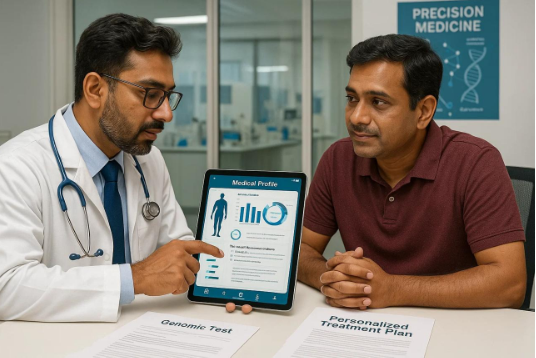
Medical innovation has introduced new therapies that complement healthy lifestyle changes and provide additional support for individuals who may need it. These developments have expanded the range of evidence-based options available within clinically supervised weight management programs
For some patients, treatments such as Saxenda may be recommended by healthcare professionals as one component of a personalized care plan. These therapies are generally used alongside balanced nutrition, regular physical activity, and ongoing medical guidance rather than as standalone solutions.
Personalized Care Is Becoming the New Standard
Modern healthcare increasingly focuses on delivering care that reflects each patient’s unique needs rather than applying identical recommendations to everyone. Personalized medicine enables healthcare providers to adjust treatment strategies based on individual progress, medical history, and overall health.
This patient-centered approach helps improve engagement while supporting realistic, sustainable lifestyle changes that can contribute to long-term wellbeing.
Digital Health Is Supporting Better Outcomes

Technological innovation is also playing an important role in weight management. Telemedicine, wearable health devices, mobile wellness applications, and remote monitoring tools allow patients and healthcare professionals to stay connected throughout the treatment process.
These technologies encourage greater accountability, improve communication, and make it easier to monitor progress while adapting treatment plans when necessary. The combination of digital health and medical innovation is creating more coordinated and accessible models of care.
Looking Ahead to the Future of Weight Management
Research into metabolism, genetics, hormone regulation, and precision medicine continues to shape the future of obesity care. As scientific knowledge expands, healthcare professionals will have access to increasingly sophisticated tools for supporting long-term weight management.
Patients using therapies such as Saxenda may benefit from future innovations that further personalize treatment and improve clinical outcomes. Continued advances in biotechnology and digital healthcare are expected to make weight management more effective, accessible, and responsive to individual needs.
A Future Focused on Long-Term Health
The future of weight management is moving away from short-term solutions and towards comprehensive healthcare strategies that prioritize sustainable results. Medical innovation is helping redefine success by focusing not only on weight reduction but also on improvements in overall health, mobility, energy levels, and quality of life.
By combining scientific research, personalized care, healthy lifestyle habits, and ongoing professional support, modern medicine is creating a more effective and compassionate approach to weight management—one that is designed to help individuals achieve lasting wellbeing rather than temporary change.
