

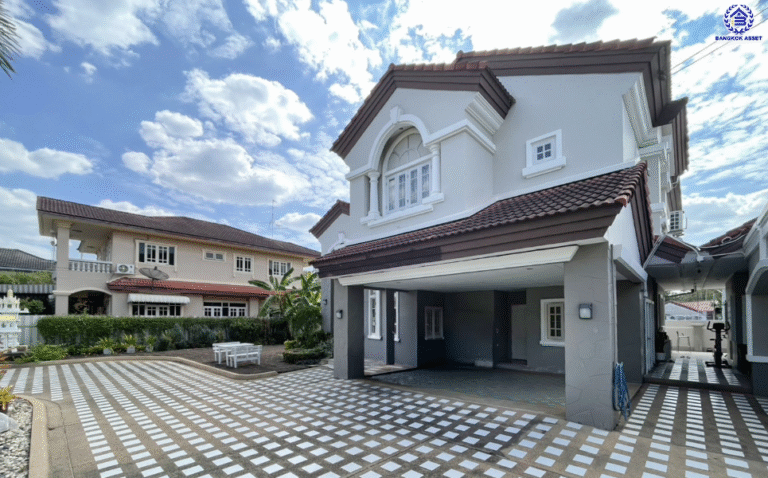
A detached house can make a strong first impression. Fresh paint, attractive furniture, bright photographs, and a well-kept garden may create an immediate sense of comfort. Yet appearance alone is not enough to judge whether a property is suitable for long-term ownership. Buyers should look beyond presentation and examine the building, utilities, surrounding land, neighborhood, and likely maintenance needs before making a commitment.
A careful evaluation is not simply about searching for faults. It is about understanding the true condition of the property and deciding whether its strengths, limitations, and future costs fit the buyer’s expectations.
Begin With the Exterior Condition
The outside of the house can reveal useful clues about how the property has been maintained. Buyers should observe the roofline, external walls, paintwork, doors, windows, fences, parking areas, and surfaces around the building.
Cracks and water marks do not automatically indicate serious structural damage. However, wide cracks, repeated patterns, uneven surfaces, persistent dampness, or signs of previous patching deserve further investigation. A qualified building professional should assess anything that appears unusual rather than relying on visual assumptions.
The roof should only be examined from a safe position. Missing materials, sagging sections, damaged gutters, or stains beneath roof edges may suggest that closer professional inspection is needed.
Assess How the Interior Functions
Inside the house, buyers should consider both condition and usability. Floors, walls, ceilings, stairs, doors, and windows should be observed for damage, unevenness, moisture, or difficulty in operation. Musty smells can indicate poor ventilation or dampness, while small marks near timber, skirting boards, or built-in furniture may justify checking for pests.
Natural light and airflow also affect comfort. A house may look bright in listing photographs but feel darker at another time of day. Buyers should notice which rooms receive sunlight, whether windows provide useful ventilation, and whether the layout supports everyday movement.
The floor plan should suit the household rather than simply appear spacious. Bedroom positions, bathroom access, storage, parking, work areas, and the relationship between indoor and outdoor spaces can all influence daily life.
Review Electrical and Plumbing Systems Carefully
Electrical systems should be treated with caution. Buyers can observe the number and position of sockets, switches, visible wiring, and the general condition of the electrical panel, but they should not attempt any unsafe testing or repairs.
Burn marks, loose fittings, unusual sounds, exposed wiring, or inconsistent operation should be referred to a qualified electrician. Buyers should also consider whether the system appears able to support the household’s air conditioners, kitchen equipment, computers, and other appliances.
Plumbing deserves equal attention. Taps, toilets, showers, and drains can provide clues about water pressure and drainage. Buyers should look for leaks beneath sinks, stains near wet areas, slow drainage, pipe odors, and moisture on walls adjoining bathrooms or kitchens.
Water pumps, storage tanks, hot-water systems, and sanitary equipment may eventually require servicing or replacement. Their apparent age and condition should therefore be included in the maintenance budget.
Consider Cooling, Ventilation, and Included Equipment
Air-conditioning units, ventilation systems, water heaters, kitchen equipment, and other fixtures may form part of the sale, but their presence does not guarantee that they are in good working order.
Buyers should confirm what is included in the purchase and ask about maintenance history when available. Older equipment may continue to function but could require servicing or replacement after the move. A lower-priced house can become more expensive if several systems need attention at the same time.
Comfort should also be assessed without relying entirely on mechanical cooling. Rooms with limited airflow or strong afternoon heat may require more energy to remain comfortable.
Inspect Drainage and the Land Around the House
Drainage is an important part of evaluating a detached house, particularly where heavy rain can expose weaknesses around the property. Buyers should observe ground levels, slopes, drains, gutters, water channels, and low points where water may collect.
Stains near exterior walls, damaged paving, soil movement, or signs of repeated water pooling may justify further examination. Poor drainage can affect gardens, parking areas, foundations, walls, and the general usability of outdoor space.
Visiting after rainfall can be helpful when practical, although professional advice may still be needed to understand the cause and seriousness of any problem.
Evaluate the Wider Residential Environment
The quality of a detached home is closely connected to its surroundings. Road width, street lighting, traffic, noise, security, neighboring properties, and the condition of shared areas can all shape the living experience.
Buyers should consider access to schools, hospitals, shopping areas, main roads, expressways, and public transport. It is useful to visit at different times of day to observe traffic, noise, natural light, and community activity.
Nonthaburi contains both established residential neighborhoods and planned housing developments, which means the age of properties, drainage systems, road layouts, and community management can vary. Comparing detached houses for sale in Nonthaburishould therefore involve examining not only the size and appearance of each home, but also the condition of the surrounding area and its suitability for daily routines.
Match the Physical Property With the Documents
A physical inspection should be supported by document checks. Buyers should confirm the property description, land boundaries, buildings and fixtures included in the sale, contractual conditions, and any obligations connected with the property or community.
These matters may require review by an independent legal or property professional. General observations made during a viewing cannot confirm ownership rights, boundaries, approvals, or contractual responsibilities.
It is also important to clarify whether extensions or modifications shown at the property are accurately reflected in the relevant documentation.
Know When to Bring in a Professional
A personal viewing is a useful first-stage assessment, but it cannot replace a professional detached home inspection. Engineers, architects, electricians, plumbers, or qualified inspectors may be needed when there are concerns about cracking, moisture, roofing, wiring, plumbing, drainage, or structural movement.
Professional input can help distinguish routine maintenance from more serious issues. It may also give the buyer a clearer basis for estimating repairs and deciding whether the property remains suitable.
Make the Decision With a Clearer View
Evaluating a detached house before buying is not about expecting an older or previously occupied home to be flawless. It is about understanding what condition the property is in, what work may be required, and whether its layout and location support the buyer’s long-term plans.
A careful inspection of the exterior, interior, utilities, drainage, environment, and documents can reveal questions that attractive photographs may not answer. When combined with advice from qualified professionals, this process helps buyers make a more informed decision and prepare realistically for the responsibilities of ownership.
