

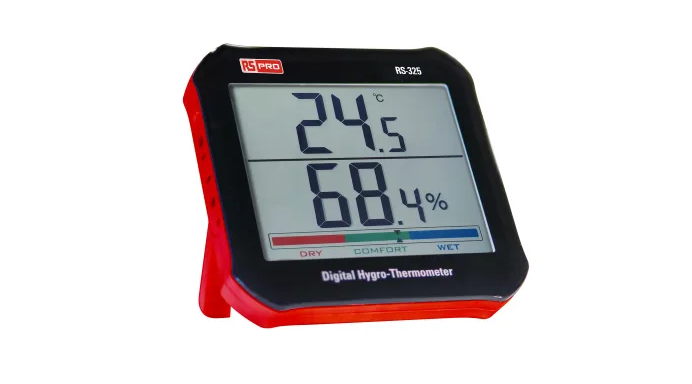
In industries where precise atmospheric conditions are crucial, the role of industrial hygrometers becomes indispensable. These instruments measure the humidity levels within an environment, ensuring optimal conditions are met for various processes. For those looking to acquire such devices, RS Components MY | Buy industrial hygrometers to ensure you get efficient and reliable equipment tailored to industrial needs.
Understanding Hygrometers
Hygrometers are instruments designed to measure the amount of water vapour in the air. Industrial hygrometers are specifically tailored to meet the high demands of large-scale operations. In environments where the correct humidity level can make or break a product, the accuracy and reliability of these measurement devices are paramount.
Types of Industrial Hygrometers
The diversity in the field of hygrometers allows industries to choose the most appropriate type for their specific applications. Common types include:
1. Digital Hygrometers: These provide precise readings and often include additional features such as data logging and temperature measurements.
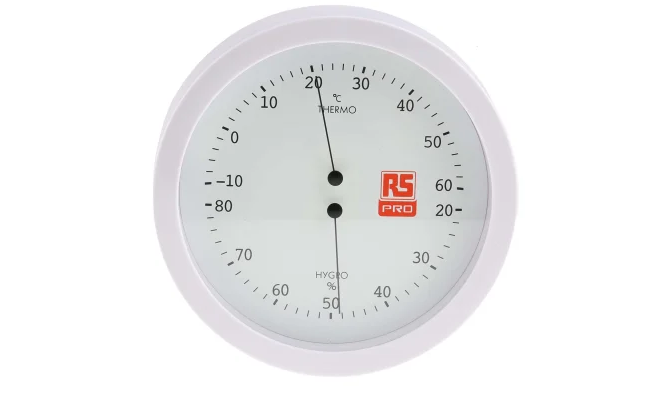
2. Mechanical Hygrometers: Relying on physical changes in materials to measure humidity, these are often used where power sources are unavailable.
3. Dew Point Hygrometers: Specialised for situations where the dew point is critical, these hygrometers help in maintaining conditions below the dew point to prevent condensation.
Importance of Humidity Measurement
In industrial contexts, humidity levels must be carefully monitored to prevent damage to sensitive materials. For example, in the production of pharmaceuticals, excessive humidity can lead to clumping or the growth of mould, while too little can dry out products beyond acceptable levels. In electronic manufacturing, ensuring precise humidity levels prevents static build-up, which can damage sensitive components.
Applications in Various Industries
Different sectors rely on industrial hygrometers for their unique humidity measurement needs:
Pharmaceuticals
In pharmaceutical production, maintaining controlled humidity levels is vital to ensure the efficacy and safety of products. Industrial hygrometers assist in validation processes and environmental monitoring within clean rooms to adhere to stringent quality standards.
Food Production
In food production and storage areas, correct humidity levels prevent spoilage and microbial growth. For perishable goods such as fresh produce and meats, hygrometers help maintain an environment that preserves freshness for extended periods.
HVAC Systems
The integration of hygrometers into HVAC systems allows for continuous monitoring and adjustment of humidity levels. This enhances indoor air quality, promoting comfort and health in commercial and industrial buildings.
Textile Manufacturing
Humidity control in textile manufacturing affects fibre properties and production efficiency. Hygrometers ensure that moisture levels are suitable for yarn spinning and the prevention of static electricity, which can disrupt the manufacturing process.
Choosing the Right Industrial Hygrometer
Selecting the right hygrometer involves considering several factors, including accuracy, response time, and environmental conditions. Many industries now prioritise digital hygrometers due to their precision and ease of use. Their ability to provide continuous data logging is invaluable for quality control and regulatory compliance.
Hygrometers’ Impact on Process Efficiency
By providing a reliable analysis of humidity levels, industrial hygrometers enable industries to optimise their processes. They play a crucial role in energy management, as controlling humidity can reduce the need for heating or cooling, leading to significant cost savings.
Technological Advancements
Modern industrial hygrometers have evolved with technological advancements, featuring capabilities like wireless connectivity and integration with other sensor systems. These innovations allow for real-time data monitoring and ease of integration into existing industrial networks, significantly enhancing operational efficiency.
Maintenance and Calibration
Regular maintenance and calibration are essential to ensure the long-term accuracy of hygrometers. Calibration ensures that the device’s readings are reliable and meet the specified accuracy. Many manufacturers offer calibration services or provide tools for self-calibration to accommodate industry requirements.
Challenges in Humidity Measurement
Despite their expertise, users of industrial hygrometers often face challenges, such as sensor drift over time, contamination, and changes in environmental conditions. Addressing these challenges involves using robust models resistant to harsh conditions and implementing routine maintenance.
Future Prospects
The future of industrial hygrometers looks promising as industries continue to demand precise environmental control. As new materials and sensing technologies develop, hygrometers will likely become even more sophisticated, offering deeper insights into atmospheric conditions and helping industries further streamline their operations. For those needing advanced solutions, the right choice of hygrometer remains a critical component of operational success.
Whether ensuring the quality of a pharmaceutical product or maintaining the integrity of a museum artefact, industrial hygrometers are indispensable tools in the seamless operation of various industries. As technology continues to advance, these tools will become even more integral to industrial processes, highlighting the importance of investing in high-quality, reliable hygrometers.
