

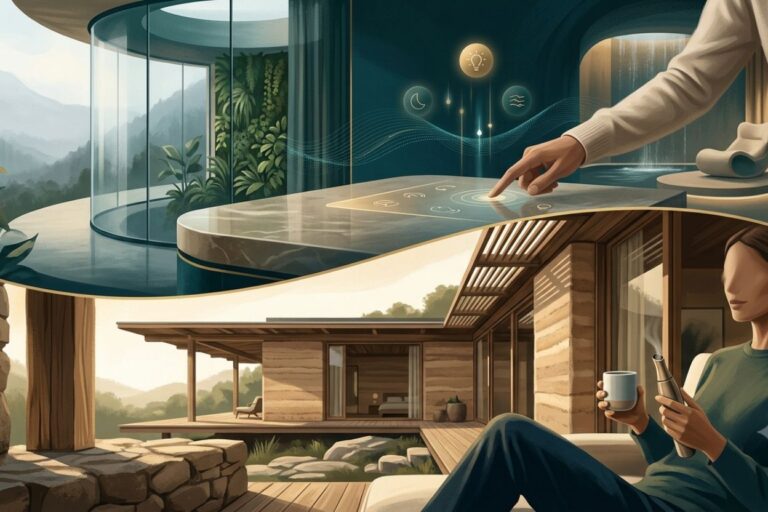
Luxury has never remained the same. Each generation has its own interpretation of luxury and how to make life look affluent. The current generation of rich consumers is no exception. Ten years ago, the concept of a luxurious lifestyle was closely linked to grand homes, expensive products, and the visible display of one’s wealth. However, the definition has expanded significantly. The notion of luxury is now changing towards personalisation, intentionality, and experience. In addition to possessing things, being comfortable and convenient also plays an important role.
One of the key changes in the field of luxury living is the growing need for customization. The contemporary consumer no longer desires a standardized experience. On the contrary, they demand tailored environments and facilities that cater specifically to their needs and lifestyle. Whether it is personalized interior design, sustainable designs, or even automated living facilitated by AI; customization has emerged as one of the key elements of luxury living. This evolution reflects a broader cultural movement where individuality is becoming more valuable than exclusivity alone.
Technological advancements are defining this transformation. Smart homes are no longer about convenience but about making lifestyle better. High-tech automation devices manage lighting, temperature, entertainment, security, and even air quality with the help of one central unit. People have the ability to adjust the settings according to their own preferences, creating environments that feel intuitive and effortless. The finest homes at present happen to be those in which technology is hidden yet does its work seamlessly.
Wellness has become another dominant driving factor in shaping luxury living, along with technology. The affluent individuals today consider their health as the highest form of wealth. There are luxurious estates which have amenities specifically related to wellness, like fitness centres, meditation centres, nature-oriented landscaping, an air purification system, and recovery rooms. The use of natural light, biophilic designs, wellness rooms, and sustainable materials has now become common trends in home designing.
Luxury is no longer confined just to physical spaces but has spread into experience-based activities as well. The importance of experiences has surpassed even many traditional markers of status. Luxury travel, exclusive wellness retreats, gourmet dining experiences, and personal concierge services are part of the core of luxury today. What consumers appreciate is not so much about possessions of goods as having memorable experiences. This attitude reflects shifting values, where true success means happiness, freedom, and self-enrichment rather than mere acquisition.
The emergence of experiential luxury also had an impact on how people relate to everyday products. People now want to be able to purchase products that offer convenience, personalization, and pleasure, blending perfectly with their lifestyle needs. Products like vaping devices within the lifestyle category are more likely to appeal when they not only serve their intended purpose but also deliver an enjoyable experience as well. The RELX Maxgo Combo 33K Prefilled Pods is one such product, offering convenience, extended usability, and a user-friendly design.
Another trend contributing to luxurious life is the rising need for privacy and exclusivity. Although modern social media platforms have made an extravagant lifestyle quite visible to the people at large, wealthy people themselves are opting for something quite the contrary. Privacy, security, and exclusivity seem more likely to be opted for. This indicates that luxury now means more discretion and not necessarily display.
Balance is expected to define luxury lifestyle in the future. There will be harmony between technology and nature, convenience and sustainability, and privacy and connectivity among others. Luxury homes will still be valued for reflecting an individual’s personality while also adding value to their daily experience. Innovation and exclusivity will make the best luxury offers even more desirable.
Ultimately, the evolution of the luxury lifestyle depicts more than just change within the context of trends. The luxury concept is no longer simply about having more. Rather, it stands for quality of life. Be it wellness-oriented housing, sustainability, custom-made experience, or well-designed products, the idea of luxury represents not mere abundance but rather the quality of choice in its pursuit.
