

You’re an hour into what should be a perfect family day at the zoo when your youngest starts whinging about being hungry. The queue for the overpriced café stretches endlessly. Your partner rummages through the bag and pulls out a half-melted chocolate bar that’s been sitting in there since last week. Twenty minutes later, your child is bouncing off the walls, then crashes hard just as you reach the main attraction.
Sound familiar? The difference between a brilliant day out and a frustrating one often comes down to what you pack for snacks. Proper planning keeps everyone energized, prevents meltdowns, and saves you from spending a fortune on mediocre venue food.
Why Nutrition Matters on Family Days Out
When children eat sugary snacks, their blood glucose spikes rapidly, giving them a burst of energy followed by an inevitable crash. That crash affects mood, concentration, and patience – exactly what you don’t need when you’re trying to navigate a crowded attraction or keep everyone engaged during a long walk.
Days out typically involve more physical activity than usual. Walking between exhibits, climbing playground structures, or exploring nature trails all demand sustained energy. Protein and fiber provide that steady fuel. Simple carbohydrates don’t.
Beyond the immediate benefits, these outings are teaching opportunities. When children see healthy snacking as normal rather than restrictive, those habits carry forward. You’re not just feeding them for today. You’re shaping how they think about food.
Planning Ahead: The Key to Successful Snack Packing
Before you pack anything, consider what the day actually involves. A two-hour trip to a local park requires different provisions than an all-day excursion to a theme park. Factor in travel time, the availability of shops or cafés, and whether you’ll have access to refrigeration or running water.
Think about portability. Foods that need constant attention, leak easily, or require utensils add unnecessary hassle. Sturdy options that travel well make the day smoother for everyone.
Involving children in the planning process increases the chances they’ll actually eat what you bring. Give them choices within boundaries: “Would you prefer carrot sticks or cucumber slices?” Rather than opening it up to negotiation after negotiation.
Creating a Snack Checklist
Write down your day’s timeline and mark natural snack breaks. Mid-morning, lunchtime, mid-afternoon. For each slot, list one protein source, one fruit or vegetable, and one whole grain option. This structure prevents you from packing five bags of crisps and calling it sorted.
Investing in the Right Containers
Quality containers with secure lids prevent spills and keep food fresh longer. Small bento-style boxes with compartments work particularly well for younger children who like variety. Insulated bags maintain temperature without the bulk of a full cooler.
Protein-Packed Portable Snacks
Protein keeps hunger at bay longer than carbohydrates alone. It stabilizes blood sugar and provides the amino acids children need for growth and repair, especially important when they’re more active than usual.
Hard-boiled eggs travel remarkably well if kept cool. Peel them at home and store them in a sealed container. Cheese sticks and individual nut butter packets (if allergies aren’t a concern) require no preparation and handle hours in a bag without issue.
Make-Ahead Protein Snack Ideas
Energy balls made the night before offer concentrated nutrition in a kid-friendly format. Combine oats, nut butter, honey, and a scoop of pea protein powder to boost the protein content without adding bulk. Roll them into bite-sized portions. They don’t need refrigeration and won’t crumble in transit.
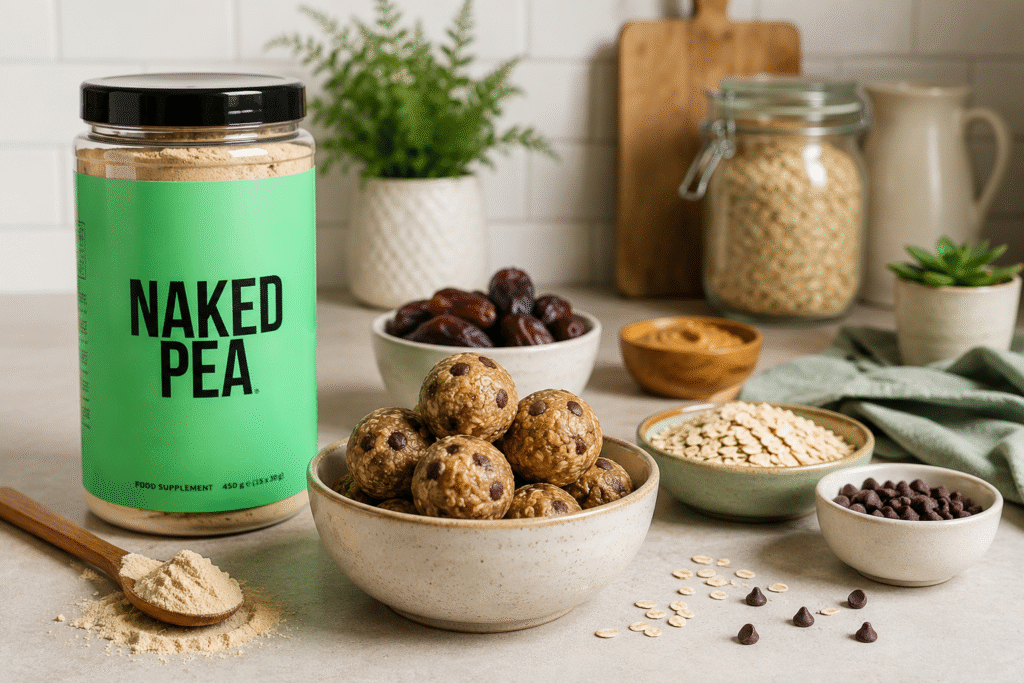
Homemade protein bars using similar ingredients can be cut into squares and wrapped individually. Turkey or beef jerky provides shelf-stable protein, though watch the sodium content if you’re buying rather than making your own. Roasted chickpeas seasoned with spices offer plant-based protein with a satisfying crunch.
Fresh Fruits and Vegetables for Hydration and Vitamins
Fruits and vegetables contribute water content, vitamins, and fiber. They’re also naturally sweet enough to satisfy cravings without triggering the sugar rollercoaster.
Pre-cut vegetables like carrots, bell peppers, and cucumber slices stay crisp for hours in a sealed container. Cherry tomatoes travel whole without bruising. Celery sticks with a small container of hummus or nut butter for dipping add protein and healthy fats.
Whole fruits that don’t require cutting are ideal. Apples, oranges, bananas, grapes (for older children who won’t choke), and berries all pack easily. The fiber in whole fruit slows sugar absorption compared to juice or dried fruit. Pairing fruit with a protein source – apple slices with cheese, grapes with nuts – creates a more balanced snack that sustains energy longer.
Smart Swaps for Common Day-Out Temptations
You don’t need to ban treats entirely. Strategic swaps let children enjoy the experience without the nutritional fallout.
Replace standard crisps with air-popped popcorn, roasted nuts, or whole-grain crackers. These options still offer the satisfying crunch but include more fiber and nutrients. When it comes to drinks, water should be the default. If plain water doesn’t appeal, add sliced fruit or cucumber for flavor without added sugar. Sugary drinks are particularly problematic because liquid calories don’t register satiety the same way solid food does.
For sweet treats, portion-controlled options work better than open bags. A few squares of dark chocolate, fruit leather made from actual fruit, or dried fruit (in small amounts) satisfy the desire for something sweet without the artificial colors and excessive sugar found in most sweets.
Navigating Venue Food Choices
Sometimes you’ll need to buy food on-site. When you do, look for options with visible protein and vegetables. A chicken wrap beats chips and candy. Plain popcorn beats sugary popcorn. Research from the American Journal of Clinical Nutrition has shown that meals with adequate protein increase satiety and reduce subsequent calorie intake, which means choosing the better option now prevents overeating later.
Timing Your Snacks for Optimal Energy
Establish a rhythm rather than waiting until someone announces they’re starving. Offer snacks every two to three hours, regardless of whether anyone asks. This prevents blood sugar from dropping too low, which is when children become irritable and adults start making poor decisions.
Before high-energy activities – a long hike, an adventure playground, a busy museum – offer protein and complex carbohydrates. These provide sustained fuel for the physical or mental effort ahead. Save lighter snacks like fruit for quieter moments when you’re sitting in the car or taking a rest break on a bench.
Keep an emergency stash separate from the planned snacks. A sealed bag of trail mix or a couple of protein bars tucked in the bottom of your bag can salvage an unexpectedly long day.
Making It Work Long-Term
None of this requires elaborate meal prep or exotic ingredients. The goal is to make healthy snacking automatic rather than effortful. Once you’ve established a routine, packing for a day out takes ten minutes.
Your children will remember the day they saw the lions or climbed the castle, not the specific snacks they ate. But proper nutrition creates the conditions for those positive memories by keeping everyone comfortable, energized, and present. That’s worth the small amount of planning it takes to get it right.
