

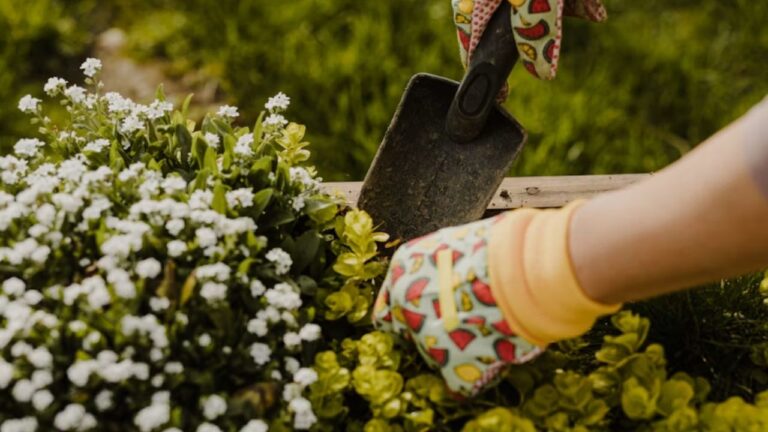
A healthy garden is built through steady choices, not one big weekend of work. The plants you choose, the soil you maintain, the tools you use, and the way you handle seasonal cleanup all shape how your outdoor space performs over time. Fall is especially important because it gives you a chance to reset the garden before winter and prepare it for stronger growth in spring. With the right approach, you can keep your yard looking neat, protect your plants, and make future maintenance much easier.
Start With Better Plants
A nearby nursery and garden center can be one of the best places to begin because local plant experts often understand what grows well in your area, what struggles in your soil, and what can handle your seasonal weather patterns.
Choosing healthy plants makes every part of gardening easier. Look for strong stems, vibrant leaves, balanced growth, and soil that feels moist but not waterlogged. Avoid plants with yellowing leaves, weak roots, spots, pests, or dried-out containers. A struggling plant can sometimes recover, but it often needs extra attention from the start.
Fall is a great time to plant many trees, shrubs, and perennials because cooler temperatures reduce stress. The soil may still be warm enough for roots to settle in, while the air is gentler on leaves and stems. This gives plants time to establish before winter and return stronger when the growing season begins again.
Choose Plants That Match Your Yard
The right plant in the wrong place will always feel like extra work.
Before buying anything new, pay attention to how sunlight moves across your yard. Some areas may get direct sun most of the day, while others stay shaded by fences, trees, or the house. Plants that need full sun will not thrive in deep shade, and shade-loving plants can suffer in hot afternoon light.
Soil conditions matter too. If your garden beds stay wet long after rain, you may need plants that tolerate moisture or you may need to improve drainage. If your soil dries quickly, compost and mulch can help hold moisture and support healthier roots.
It also helps to be honest about how much maintenance you want. Some plants need regular pruning, watering, dividing, or deadheading. Others are more forgiving. If you want a lower-maintenance garden, look for hardy perennials, native plants, ornamental grasses, and shrubs that naturally fit your space.
Build Soil Before Expecting Big Results
Strong plants need strong soil beneath them.
Fall is a smart time to refresh garden beds because you can improve the soil before the next growing season. Start by removing weeds, old annuals, diseased leaves, and broken stems. Then add compost to bring life back into the soil. Compost improves texture, supports helpful organisms, and gives roots a better environment to grow in.
Mulch is another simple way to protect your garden. A fresh layer helps regulate soil temperature, reduce weeds, and hold moisture. It also gives beds a cleaner, more finished look. Just make sure not to pile mulch directly against stems or tree trunks because trapped moisture can cause rot.
If you plan to add spring bulbs, prepare the soil before planting. Loosen compacted areas, remove rocks, and place bulbs where they will have good drainage. A little extra work in fall can lead to a much better display later.
Clean Up Without Overdoing It
Fall cleanup should make the garden healthier, not completely empty.
Some debris should be removed, especially anything diseased, pest-damaged, or rotting. Old leaves from infected plants, fallen fruit, broken branches, and invasive weeds can create problems if left in place all winter. Clearing those areas helps reduce the chance of pests and disease returning in spring.
At the same time, not everything needs to be cut down. Some seed heads feed birds, and some plant stems provide shelter for beneficial insects. Ornamental grasses and sturdy perennials can also add texture and beauty during colder months.
A balanced approach works best. Remove what could cause damage, but leave some healthy structure where it benefits the garden. This keeps the yard tidy while still supporting the natural life around it.
Make Fall Leaf Removal Easier
Leaves can be useful, but too many in the wrong place can create problems.
A thick layer of wet leaves can block sunlight, trap moisture, smother grass, and encourage mold. That is why fall leaf removal matters, especially on lawns, walkways, patios, and planted areas where heavy leaf cover can cause damage. The good news is that leaves do not have to go to waste. Shredded leaves can become mulch, compost, or soil conditioner.
For small yards, a sturdy rake, gloves, bags, and a tarp may be enough. A tarp is especially useful because you can rake leaves onto it and drag them to a compost pile or collection area. For larger properties, a leaf blower, leaf vacuum, or mower with a bagging attachment can make the job faster. Battery-powered tools are quieter and easier to maintain, while gas-powered tools may still be useful for heavy cleanup.
When deciding whether to handle the job yourself or hire help, classy grass lawn care, landscape & snow removal reviews can give homeowners a sense of how local services manage seasonal cleanup, lawn care, and outdoor maintenance. Reviews can be useful when you want reliable help before wet leaves become a bigger mess.
Turn Leaves Into Garden Fuel
Leaves are not just yard waste. They can become one of the most useful materials in your garden.
Shredded leaves make excellent mulch around trees, shrubs, and garden beds. They help protect roots, reduce weeds, and slowly add organic matter back into the soil. Whole leaves can mat together and block air or water, so shredding them first is usually the better option.
Leaves can also be added to compost. They provide carbon, which balances greener materials like grass clippings and kitchen scraps. If you have space, you can also make leaf mold by piling shredded leaves and letting them break down over time. It takes patience, but the result is a soft, crumbly material that improves soil texture.
Just be careful with diseased leaves. If a tree or plant had a serious fungal issue, it is usually better to remove those leaves instead of adding them to compost or garden beds.
Prepare Your Lawn for the Season Ahead
A healthy lawn helps the whole garden look more cared for.
Fall is a good time to clear leaves regularly, mow at the right height, and repair thin patches. Grass still needs light and airflow before winter. If leaves sit too long, they can weaken the lawn and leave bare spots by spring.
Avoid cutting grass too short before cold weather. Scalping the lawn can stress it, while leaving it too long may cause it to mat down under wet leaves or snow. The goal is a neat, healthy height that protects the grass without creating more problems.
If your lawn has compacted soil, aeration may help. If it has bare areas, fall can be a good time to overseed. Cooler weather and seasonal moisture often give new grass a better chance to establish.
Keep Your Fall Garden Plan Simple
The best garden routine is one you can actually keep up with.
You do not need every tool or every plant trend to build a healthier outdoor space. Start with good plants, improve your soil, clean up problem areas, and manage leaves before they become overwhelming. A rake, tarp, pruners, gloves, compost bin, mower, and leaf blower or vacuum can cover most fall tasks for many homeowners.
Good gardening is really about consistency. When you handle small jobs at the right time, your yard stays healthier and the work feels less stressful. Fall gives you the perfect chance to tidy up, protect your plants, and set the stage for a stronger garden next year.
