

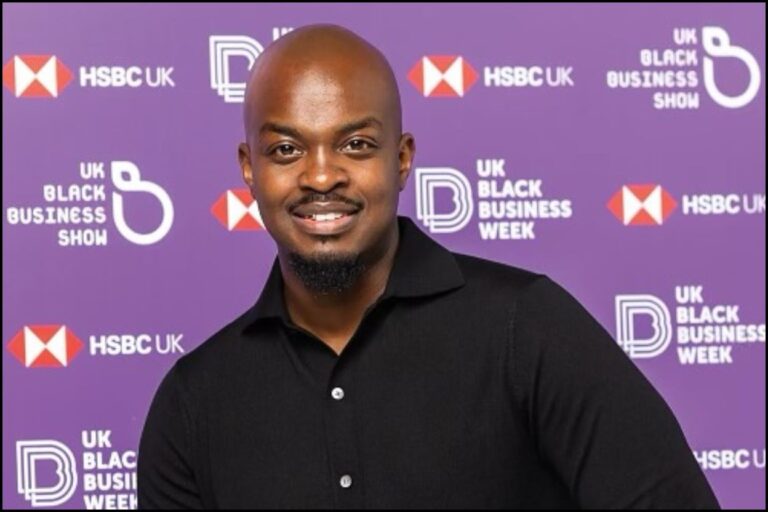
George Mpanga, widely celebrated as George the Poet, stands as a monumental figure in the modern British cultural landscape. He has successfully bridged the gap between raw street lyricism and high-level academic discourse. As we move through 2026, his influence continues to expand far beyond the boundaries of traditional performance art. He is not merely a writer; he is a social critic, a podcast pioneer, and a voice for the marginalised.
This article provides a deep dive into the life and career of this extraordinary artist. We will examine his famous george the poet poems, the impact of his award-winning george the poet podcast, and his deep connection to London in works like george the poet my city. From his early days in North West London to his global recognition, George remains a transformative force in the creative industry.
The Early Life and Education of George Mpanga
George was born in 1991 on the St Raphael’s Estate in Neasden, London. This environment played a crucial role in shaping his worldview. Growing up in a multicultural but often overlooked community provided him with the raw material for his early storytelling. His parents, who are of Ugandan heritage, instilled in him a strong sense of identity and a drive for academic excellence.
He attended Queen Elizabeth’s School in Barnet, one of the most prestigious grammar schools in the country. This experience introduced him to a different side of British society. Later, he moved on to King’s College London and the University of Cambridge, where he studied Politics, Psychology, and Sociology. This unique blend of street experience and elite education allowed him to analyse social issues through a multidisciplinary lens.
His time at Cambridge was particularly transformative. He began to realise that his ability to communicate complex ideas through rhyme was a powerful tool for change. Instead of following a traditional corporate or political path, he chose to use his voice to challenge the status quo. This decision marked the birth of George the Poet as we know him today.
The Rise of George the Poet Poems
The world first took notice of George through his incredible spoken-word performances. Unlike many of his contemporaries in the grime scene, George focused on the narrative power of the written word. His george the poet poems often feel like musical essays, carefully constructed to provoke thought and emotion simultaneously.
His debut collection, Search Party, was a massive success. It showcased his ability to tackle complex subjects such as poverty, education reform, and systemic racism with grace and precision. One of his most enduring works is my city george the poet, a tribute to London that captures the city’s chaotic beauty and its underlying tensions.
In george the poet my city, he paints a vivid picture of the capital. He describes London not just as a collection of landmarks, but as a living, breathing organism. He highlights the disparities between the wealthy financial districts and the struggling estates. This poem resonates with anyone who has ever felt like both an insider and an outsider in a major metropolis.
Revolutionizing Audio with George the Poet Podcast
While his poetry brought him fame, his podcast took his career to a whole new level. Have You Heard George’s Podcast? is often described as an audio masterpiece. It is much more than a simple talk show. It is a sonic journey that blends storytelling, music, and documentary-style reporting into a seamless narrative.
The george the poet podcast was the first non-American production to win a prestigious Peabody Award. This recognition proved that George’s messages were universal. In the podcast, he explores themes like the “war on blackness,” the history of the British Empire, and the evolution of black music. He uses the medium to take listeners “on a tour of his mind,” providing context that a three-minute poem cannot.
By 2026, the podcast will have become a staple for educators and activists alike. George uses it as a platform to host difficult conversations. He addresses the complexities of identity in a post-colonial world. The podcast’s immersive sound design creates a cinematic experience for listeners, making the educational content feel urgent and engaging.
The Significance of George the Poet Southbank
London’s Southbank Centre has often served as a backdrop for George’s most significant performances. The relationship between George the poet, Southbank, and the artist symbolises his journey from the fringes to the centre of British culture. Performing at such a prestigious venue allows him to bring the voices of the estate to the halls of the elite.
His performances at the Southbank are usually sold-out events. These shows are not just readings; they are multi-sensory experiences. He often collaborates with musicians and visual artists to enhance the impact of his words. For George, the Southbank represents a space where the “high arts” meet the “street arts,” proving that poetry is for everyone.
Moreover, these events provide him with a platform to engage with a diverse audience. He attracts young rap fans alongside older patrons of traditional literature. This ability to unite different demographics is a testament to his skill as a communicator. He uses these grand stages to remind the world that the stories of the inner city are worthy of being told in the most prestigious venues.
2025-2026 Innovations: Immersive Exhibitions and Visual Art
In recent years, George has expanded his artistic reach into visual art and immersive technology. In late 2025, he launched a pioneering collaboration with London’s Violence Reduction Unit. This project, hosted at the FRAMELESS immersive art space, reimagined iconic classical paintings through the spoken word of young Londoners.
This initiative aimed to remove barriers to entry in the art world. George mentored youth from various backgrounds to help them find their voices within these masterpieces. By blending high art with contemporary storytelling, he proved that classic works remain relevant when viewed through a modern lens. This project has set a new standard for how major cities use art for social intervention.
Furthermore, he has integrated augmented reality into his live performances. Fans can now use mobile devices to see digital layers of his poetry come to life during shows. This focus on “multi-sensory poetry” keeps his work at the cutting edge of 2026 technology. George continues to show that the medium of the spoken word is limited only by one’s imagination.
Academic Pursuits and PhD Research at UCL
George is currently balancing his creative career with high-level academic research. He is pursuing a PhD at UCL’S Institute for Innovation and Public Purpose. His research focuses on the socio-economic potential of Black music. Initially, he explored innovation within the genre, but the project has evolved into a deep interrogation of political power and diaspora organisation.
This academic journey reflects his commitment to “coming full circle.” He is using his platform to bridge the gap between academic theory and community reality. By studying how music influences social change, he is providing a roadmap for future creators. This work ensures that his influence is felt in both the lecture hall and the recording studio.
His director of studies at Cambridge once noted that George was never destined for a standard job. This PhD serves as a formalisation of the work he has been doing for a decade. He is not just making music or writing poems; he is building a framework for understanding how culture shapes society. His academic voice has grown more direct and confident as he tackles these complex themes.
Rejection of the MBE and Political Activism
One of the defining moments of George’s career occurred in 2019, when he publicly declined an MBE. He explained that he could not accept an award associated with the “British Empire” due to the colonial trauma inflicted on his ancestral homeland, Uganda. This move was not an act of anger, but one of principled transparency.
George has always been clear about his relationship with Britain. He describes himself as a “student, admirer, and friend of the country,” but he refuses to ignore its historical atrocities. This stance earned him immense respect from many young people who feel a similar disconnect from national institutions. It solidified his reputation as an artist who values integrity over accolades.
His activism extends beyond symbolic gestures. He is frequently involved in community projects and educational workshops. In 2026, he continues to advocate for school curriculum reform. He believes that a more honest teaching of history is essential for social cohesion. His book, Track Record, further explores these ideas, serving as a memoir and a call to action for the next generation.
Analyzing the Themes of Social Justice and Identity
At the heart of all george the poet poems is a deep concern for justice. He often discusses the concept of “self-education” as a means of liberation. For George, understanding the history of power dynamics is the first step toward changing them. He encourages his audience to look beyond the surface of their circumstances and identify the root causes of their struggles.
His work also explores the nuances of black identity in the West. He speaks about the “aspirational” nature of some rap music and how it can be both a tool for success and a trap for the ego. By critiquing the industry he once aimed to join, he offers a more sustainable vision of success. He emphasises the importance of community and collective progress over individual wealth.
In addition, his Ugandan heritage is a constant thread in his narrative. He often speaks about how his trips to Uganda changed his life. These journeys provided him with a sense of belonging that he struggled to find in the UK. This dual perspective—living in the West while being rooted in Africa—gives his work a unique global resonance.
George the Poet in 2026: The Global Legacy
As we look at George’s career in 2026, his legacy is firmly established. He has successfully transformed the role of the poet in the 21st century. He is no longer just a man with a notebook; he is a multimedia mogul with a social mission. His influence can be seen in the rise of other spoken-word artists who are now finding space in the mainstream media.
He continues to innovate with new technology. George has experimented with augmented reality and interactive audio to make his storytelling even more immersive. He remains committed to reaching people where they are, whether that is through a phone screen, a set of headphones, or a live stage. His ability to adapt to changing times while maintaining his message’s consistency is remarkable.
Furthermore, his academic contributions are being recognised by universities around the world. His podcast is often used as a teaching tool in sociology and media studies departments. George has proven that art can be a legitimate form of research and a powerful vehicle for public pedagogy. He has successfully blurred the lines between the artist and the academic.
Why George the Poet Matters Today
In a world often divided by simplified narratives, George the Poet offers complexity and depth. He refuses to provide easy answers to difficult questions. Instead, he invites his audience to think critically and feel deeply. Whether he is discussing the housing crisis in London or the history of international debt, he does so with empathy and urgency.
His work is a reminder that language is a tool of power. By mastering the art of communication, George has empowered himself and his community. He has shown that you don’t have to change who you are to be heard; you just have to find the right way to tell your story. His journey from Neasden to Cambridge and beyond is an inspiration to countless young people.
Ultimately, George the Poet is a bridge-builder. He connects the past with the present, the local with the global, and the street with the academy. As he continues to evolve as an artist and a thinker, his voice remains essential for anyone trying to make sense of the modern world. He is a true visionary whose work will undoubtedly stand the test of time.
Conclusion: The Future of a Visionary Voice
George the Poet has redefined what it means to be a public intellectual in the digital age. Through his george the poet podcast and his thought-provoking george the poet poems, he has created a new category of art. He has managed to remain authentic to his roots while reaching a global audience. His refusal to accept an MBE and his constant focus on social justice show a man of deep conviction.
As we move further into 2026, the world needs voices like George’s more than ever. He provides a much-needed perspective on the challenges of our time. Whether you are listening to my city george the poet, for the first time or deep-diving into his latest podcast episode, his work is guaranteed to leave an impact. George Mpanga is not just a poet; he is a catalyst for change.
In the end, his “track record” speaks for itself. He has used his platform to uplift others and to speak truth to power. George the Poet is a shining example of how creativity can serve a higher purpose. We look forward to seeing how his vision continues to shape the world in the years to come.
