

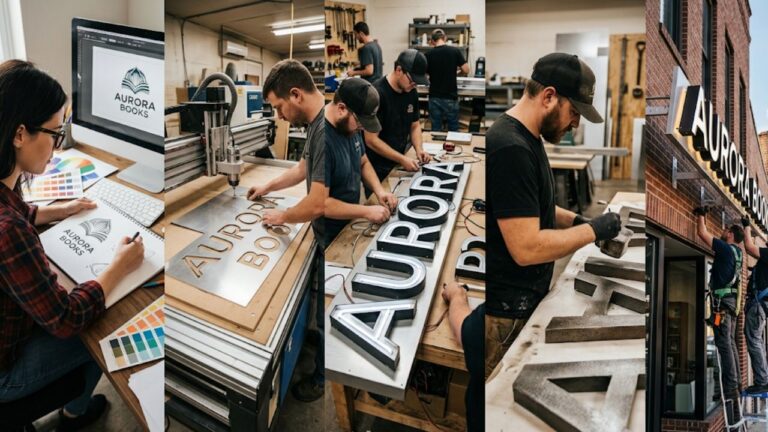
Business signage represents one of the most critical investments a company can make in its visual identity and marketing strategy. Think about it, what’s the first thing customers notice when approaching your business? More often than not, it’s your sign. The process of creating professional signage isn’t something that happens overnight. It involves multiple specialized stages, from initial conceptualization through final installation. Understanding this comprehensive journey helps business owners appreciate the craftsmanship, technology, and expertise required to produce signage that effectively represents their brand and attracts customers. Each phase demands careful attention to detail, technical knowledge, and creative problem-solving to ensure the final product meets both aesthetic and functional requirements.
Initial Consultation and Needs Assessment
The sign creation process begins with a thorough consultation where professionals work closely with business owners to understand their specific requirements and objectives. This isn’t just a quick phone call, it’s an in-depth conversation about what the business truly needs. During this crucial phase, sign experts gather information about the company’s branding guidelines, target audience, location constraints, and budget parameters. They’ll discuss the intended purpose of the signage, whether it’s for wayfinding, advertising, building identification, or promotional purposes.
Design Development and Approval Process
Once the initial requirements are established, the creative team begins translating concepts into tangible design proposals that balance aesthetics with functionality. This is where ideas start taking shape in a visual format. Professional designers utilize advanced software to create detailed renderings that show exactly how the sign will appear in its intended location, including accurate scale representations and color specifications. The design phase considers numerous factors, readability from various distances, color psychology, font selection, lighting requirements, and brand consistency across all marketing materials.
Material Selection and Fabrication Techniques
The choice of materials significantly impacts a sign’s durability, appearance, maintenance requirements, and overall effectiveness in conveying the intended message. You wouldn’t use the same materials for an indoor lobby sign as you would for a massive outdoor billboard exposed to harsh weather conditions. Modern sign fabrication utilizes a diverse array of materials including aluminum, acrylic, PVC, wood, vinyl, LED components, and specialized substrates designed for specific applications and environmental conditions. Each material offers unique advantages in terms of weather resistance, longevity, weight, installation requirements, and visual impact that must be carefully considered.
Permitting and Regulatory Compliance
Before any sign can be installed, businesses must navigate the complex landscape of local regulations, zoning ordinances, and building codes that govern commercial signage. This can feel overwhelming for business owners who aren’t familiar with the bureaucratic maze involved. Professional sign companies typically handle the permit application process on behalf of their clients, leveraging their knowledge of local requirements and established relationships with municipal authorities. This stage involves submitting detailed plans, engineering calculations, and installation specifications to various regulatory bodies for approval and ensuring compliance with restrictions regarding size, height, illumination, setback requirements, and aesthetic guidelines.
When navigating municipal regulations and securing necessary approvals, businesses often rely on an experienced sign company in Phoenix to streamline the permitting process. The permitting process timeline varies significantly depending on location and sign complexity, potentially taking anywhere from a few days to several weeks or even months in some jurisdictions. Experienced sign professionals anticipate potential regulatory obstacles and design solutions that meet both client expectations and legal requirements, preventing costly redesigns or installation delays. They maintain current knowledge of changing regulations and work proactively to ensure all necessary approvals are secured before scheduling installation, protecting clients from potential fines or forced sign removal. Nobody wants to invest thousands of dollars in a sign only to have code enforcement show up with removal orders.
Professional Installation and Final Adjustments
The installation phase represents the culmination of all previous planning and preparation, requiring specialized equipment, technical expertise, and meticulous attention to safety protocols. This isn’t a DIY weekend project, it requires professionals who know exactly what they’re doing. Professional installers arrive at the site with appropriate tools, lifting equipment, and mounting hardware specifically selected for the sign type and installation location. They carefully position the sign according to approved plans, ensuring proper alignment, secure mounting, and optimal visibility from intended viewing angles.
Conclusion
Creating professional business signage involves a sophisticated process that combines creative design, technical expertise, quality craftsmanship, and regulatory knowledge to deliver effective brand communication tools. It’s far more complex than most people realize when they first consider getting a sign. From the initial consultation through final installation, each phase requires specialized skills and careful attention to detail that distinguish professional sign companies from amateur alternatives. Business owners who understand this comprehensive creation process can better appreciate the value of working with experienced professionals who navigate the complexities of design, fabrication, permitting, and installation with proven expertise.
