

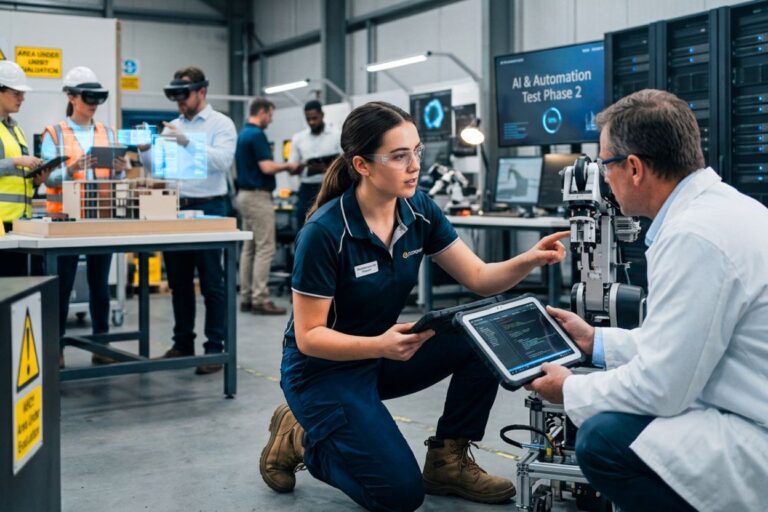
A Probationary Engineer plays a key role in building a strong engineering career from the very beginning. This position is designed for recent graduates entering the professional world and seeking practical exposure. Instead of only learning theory, engineers start working on real tasks, which helps them understand industry expectations.
In 2026, companies expect engineers to be ready for real challenges from day one. Therefore, the Probationary Engineer role has become more structured and performance-focused. It is no longer just a trial period. Instead, it is a critical stage in which engineers demonstrate their abilities and prepare for long-term success.
Understanding the Probationary Engineer Position
What Does a Probationary Engineer Do
A Probationary Engineer works under supervision while handling actual responsibilities. The probation period usually lasts between six months and one year. During this time, the engineer learns the company’s systems, works on projects, and improves their technical skills.
Unlike a trainee, a Probationary Engineer is expected to contribute actively. They assist with problem-solving, support senior engineers, and ensure assigned tasks meet required standards. This role helps bridge the gap between academic knowledge and practical work.
Duration and Evaluation Process
The probation period includes regular performance reviews. Companies assess technical skills, communication ability, teamwork, and overall attitude. If the engineer performs well, the company confirms them as a permanent employee.
However, if performance is not satisfactory, the probation period may be extended or the job may end. Therefore, consistent performance is very important during this stage.
Latest Industry Trends for Probationary Engineer in 2026
Growing Demand for Multi-Skilled Engineers
Modern industries require engineers who can handle multiple skills. A Probationary Engineer is expected to understand both core engineering concepts and digital tools. For example, engineers often use software for design, testing, and analysis.
Integration of Advanced Technologies
Technology is changing fast, and engineers must keep up. Many companies now expect a Probationary Engineer to work with automation systems, artificial intelligence tools, and data-driven platforms. This requirement has increased the importance of continuous learning.
Faster Performance Tracking
Companies no longer wait until the end of the probation period. Instead, they evaluate progress monthly or quarterly. This approach helps engineers improve quickly and align with company goals.
Responsibilities of a Probationary Engineer
Core Technical Responsibilities
A Probationary Engineer performs various technical tasks depending on the field. These tasks include designing systems, testing components, and solving technical issues. Engineers must ensure that their work meets quality and safety standards.
They also help improve existing systems and support production processes. This hands-on work builds confidence and strengthens technical skills.
Project Participation and Teamwork
Working in a team is an important part of this role. A Probationary Engineer supports project planning, monitors progress, and helps meet deadlines. This experience improves communication and collaboration skills.
In addition, engineers learn how different departments work together. This knowledge is valuable for future leadership roles.
Learning and Development Activities
Continuous learning is a major part of the job. Companies often provide training sessions, workshops, and on-the-job learning opportunities. A Probationary Engineer must take full advantage of these resources to improve skills.
Skills Required for a Probationary Engineer
Technical Skills
A strong technical foundation is essential for every Engineer. Engineers must understand the core subjects relevant to their field and know how to apply them in real-world situations.
They should also be familiar with tools, software, and modern technologies. These skills help them perform tasks efficiently and solve problems effectively.
Soft Skills for Workplace Success
Soft skills are equally important. A Probationary Engineer must communicate clearly, work well in teams, and manage time effectively. These skills improve overall performance and help build strong professional relationships.
Adaptability is another key factor. Engineers must be ready to learn new tools and adjust to changing work conditions.
Importance of Continuous Learning
Technology evolves rapidly, so a Probationary Engineer must keep learning. Staying up to date with industry trends increases career opportunities and ensures long-term success.
Salary and Benefits in 2026
Average Salary Range
The salary of a Probationary Engineer depends on industry, company size, and location. However, it generally offers a competitive starting income. Engineers in large organisations often earn higher salaries than those in smaller companies.
As experience grows, salary increases significantly. This makes the role financially rewarding over time.
Additional Benefits and Perks
Apart from salary, companies provide various benefits. These may include medical insurance, housing allowance, bonuses, and retirement plans. Such benefits improve overall job satisfaction and financial stability.
Career Growth Opportunities
Promotion Path After Probation
Upon successfully completing the probationary period, a Probationary Engineer becomes a permanent employee. The typical career path starts as a Junior Engineer and progresses to Engineer, Senior Engineer, and eventually to management roles.
Skill-Based Career Advancement
Career growth depends on skill development and performance. Engineers who learn new technologies and take initiative grow faster. For example, gaining expertise in automation or advanced software can lead to better opportunities.
Opportunities Across Industries
A Probationary Engineer can work across various industries, including IT, construction, manufacturing, and energy. Each industry offers unique challenges and growth paths, allowing engineers to choose according to their interests.
Challenges Faced by an Engineer
Adjusting to a Professional Environment
Moving from academic life to a professional setting can be challenging. A Probationary Engineer must adapt to workplace rules, deadlines, and responsibilities.
Handling Real-World Problems
Unlike theoretical problems, real-world challenges are complex. Engineers must think critically and find practical solutions under pressure.
Managing Workload and Expectations
Engineers often handle multiple tasks simultaneously. Proper time management and focus are necessary to meet expectations and deliver quality work.
Tips to Succeed as an Engineer
Focus on Learning and Improvement
A successful Probationary Engineer always looks for opportunities to learn. Asking questions and deeply understanding tasks help build strong knowledge.
Deliver Consistent Quality Work
Producing high-quality work creates a positive impression. It increases the chances of confirmation and career growth.
Build Strong Communication Skills
Clear communication helps in teamwork and reduces misunderstandings. It also improves overall productivity.
Stay Updated with Industry Trends
Keeping up with new technologies and trends gives a Probationary Engineer a competitive advantage. This habit supports long-term career success.
Conclusion
The Probationary Engineer role is a powerful starting point for a successful engineering career. It provides practical experience, skill development, and real-world exposure in a structured environment. In 2026, this role has become more dynamic and demanding, requiring engineers to adapt quickly and perform efficiently.
With dedication, continuous learning, and a positive attitude, a Probationary Engineer can build a strong foundation for long-term success. This role not only develops technical expertise but also prepares engineers for leadership and advanced career opportunities.
