

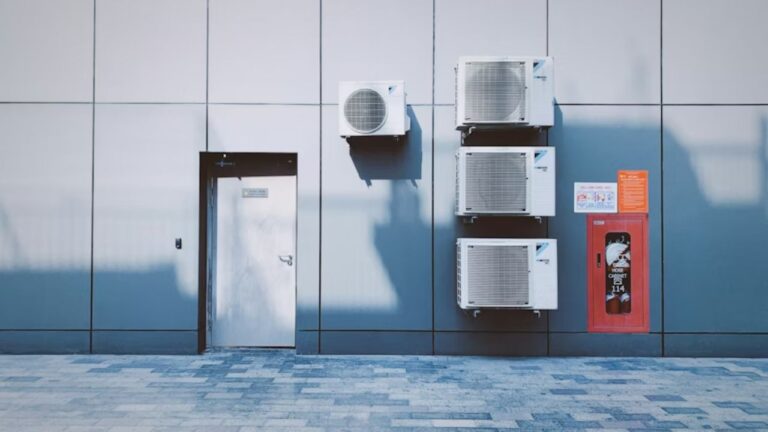
Your air conditioner is working overtime every summer. But if your house insulation is lacking, it doesn’t matter how strong your AC system is. Your comfort system will never keep up, and your utility bills will prove it.
Here’s how insulation affects your AC and how you can use that knowledge to save money and keep your home much more comfortable.
How Insulation Works
When people think about insulation, they think about keeping their home warm in the winter. While this is certainly important, it works just as well in the summer in reverse. All insulation does is slow down heat transfer.
During the summer months, heat from outside is fighting to enter your comfortable cool home. Quality insulation will slow that transfer rate.
It’s like a cooler. A cheap cooler with thin walls will melt ice quickly. A high-quality cooler with thick dense foam will keep ice frozen for days. Your house is very similar. High levels of insulation slow down heat transfer through your walls, ceiling and floors.
Slower heat transfer means your AC system doesn’t have to turn on as frequently or for long periods of time. This translates into savings on your energy bills, less wear and tear on your comfort equipment, and a more even temperature throughout the day.
Where Heat Enters Your Home
Heat doesn’t enter your home through the walls alone. There are several areas of vulnerability that welcome heat into your home. One of the biggest areas is the attic. Hot air rises, so heat collects under your roof that absorbs a large amount of solar heat energy during the day. If your attic is poorly insulated, that heat will transfer down into your living spaces.
Walls are another area where heat gain enters your home. Walls in older homes are usually suspect because insulation shifts or becomes compressed over time. In some cases, insulation was never installed at all. Windows and doors play a role as well, but attic spaces and walls are where homeowners really lose the war against heat.
Ground floors which sit above a crawlspace can also leak heat and humidity into your home. In humidity dominated climates such as Houston, this also burdens your AC system with having to dehumidify the air as well as cool it. Indoor humidity makes rooms feel hotter than they really are and causes you to lower your thermostat. Lower thermostats cause higher energy usage.
Direct Effects on Your Cooling Equipment
As we covered before, poor insulation causes your AC system to run longer cycles than normal. It should cool the home quickly then shut off until it needs to cycle on again. But when poor insulation is involved, your cooling system runs constantly trying to maintain a comfortable temperature. This is essentially short cycling in reverse.
Long run times cause stress to your compressor. Your compressor is the costliest component of any central AC system and failure due to overheating is common when poor insulation is involved. Many homeowners spend good money on a new air conditioner when the real problem is with the structure of the home.
Humidity control is also affected by poor insulation. Your AC removes humidity from the air as it cools your home. However, if hot humid air is constantly entering your home your AC can’t keep up. High humidity levels indoors make the temperature feel higher than they actually are. Higher temps make you want to bump the thermostat down even more.
What is R-Value?
Insulation has what is called an “R-value” which measures its resistance to heat flow. The higher the R-value, the better the insulation material will perform. Different parts of your home require different levels of R-value to achieve maximum comfort.
Residents of hot southern states should look for attic insulation with a range between R-38 to R-60. Most wall insulation throughout America ranges from R-13 to R-21. These numbers can seem confusing and don’t mean much to the average homeowner, but they do make a big difference.
For example, an attic with an R-13 value installed in the deep south will notice their indoor temperature rising during the middle of a summer afternoon. A home with an R-49 or greater will maintain a comfortable temperature despite outdoor temperatures exceeding 95 degrees. Your AC won’t have to work quite as hard.
Air Sealing Is Half the Battle
While insulation plays a huge role in keeping your home cool, air sealing plays half the battle. Think of air sealing like caulking around a window. Without it, air leaks in and out no matter how well you insulate. Areas where air sealing is often overlooked include recessed lighting cans, plumbing fixtures that penetrate walls, attic access hatches, and electrical outlets.
Both air sealing and insulation need to happen at the same time. Many contractors who add blown-in attic insulation will also air seal the attic floor first before blowing insulation. It’s this step most homeowners forget about that makes such a big difference for your air conditioner.
Symptoms of Inadequate Insulation
There are a few giveaways that your insulation is costing you money. The NHS mentioned to us that rooms that never seem to cool off, even when the AC is running constantly are usually due to insulation voids. Hot spots on ceilings or near exterior walls are another symptom.
Skyrocketing energy bills with no other obvious explanation could mean your insulation is degrading. Over time fiberglass batt insulation settles and compresses which diminishes its effectiveness. Pest infestation and water damage can destroy your insulation quickly.
A professional energy audit is the best way to pinpoint where your home’s efficiency is lacking. Trained energy auditors utilize specialized tools to find areas of air infiltration. Many homeowners are surprised by how little insulation they have after an audit.
How Much Money Can You Save?
Installing new insulation is one of the highest returns on investment you can get. According to the Department of Energy, proper attic insulation and air sealing can save you 10% to 20% or more on heating and cooling costs. In hot climates where your cooling system runs for the majority of the year, those numbers add up quickly.
Not only will you save money, but your house will feel more comfortable. Temperature variations from room to room will decrease. You’ll notice less hot or cold spots. Your AC won’t short cycle like it never has before.
If your air conditioner seems to work hard every summer despite regular maintenance, check your insulation levels before writing off the unit as broken. The problem could very well be in the attic or walls and not the equipment room.
Home UK Case Study – Lower AC Bills with Insulation
Meet Joe. Joe lives in London in a semi-detached house. Last summer, Joe noticed his house was feeling hotter inside during summer. He also started using his air conditioner more often to keep his home comfortable.
Joe discovered his AC was on 24/7 last summer AND it struggled to keep his home at a comfortable temperature.
The Issue
A home energy audit found that Joe’s house:
- Had poor insulation in the walls which created whole house heat gain
- Had poor insulation in the loft allowing heat to transfer into his home from the roof
- Had air leaks around fixtures, fittings and his attic opening.
The heat entering his home from outside meant his AC had to work overtime cooling his home – using more electricity.
The Solution
Joe had insulation installed on:
- The outside of his walls – all around his house
- The loft
- Sealed up some air leaks
The Result
By retrofitting insulation Joe has seen:
- Lower energy bills – other UK case studies have seen up to a 42% reduction!
- More consistent indoor temperatures – he doesn’t have to keep his AC on constantly
- Shorter AC run cycles
- Better comfort all year round
Insulation doesn’t just keep you warm in winter – it can also dramatically improve your cooling requirements (and bills!) in the summer months.
Installing insulation will make your air con unit much more effective at cooling your home (and much cheaper to run).
FAQ’s
1. How does insulation help my air con in the UK?
Insulation slows down the heat entering your home. This means your AC won’t have to work as hard to keep your home cool and comfortable.
2. Will insulation lower my cooling costs?
Yes! Insulation can reduce energy bills by up to 40%+ in UK homes. This means cheaper cooling and heating costs.
3. Isn’t insulation only used in winter time in the UK?
No. Insulation has two main jobs – keep heat IN during winter and KEEP HEAT OUT during summer. It’s great for both!
4. Which areas of my home are most important for insulation?
Your attic (loft), walls and floors. These 3 areas contribute to most heat transfer if they’re poorly insulated.
5. Will insulation help prolong my AC unit?
Yep. If your AC doesn’t have to run as long or as often your system will enjoy a reduced strain and could last longer.
6. How long does it take to pay for itself?
We’ve seen a lot of UK case studies with an insulation payback of ~5 years.
7. Do I have to get rid of my AC if I get insulation?
Definitely not. You might even find that your current air con unit performs much better!
