

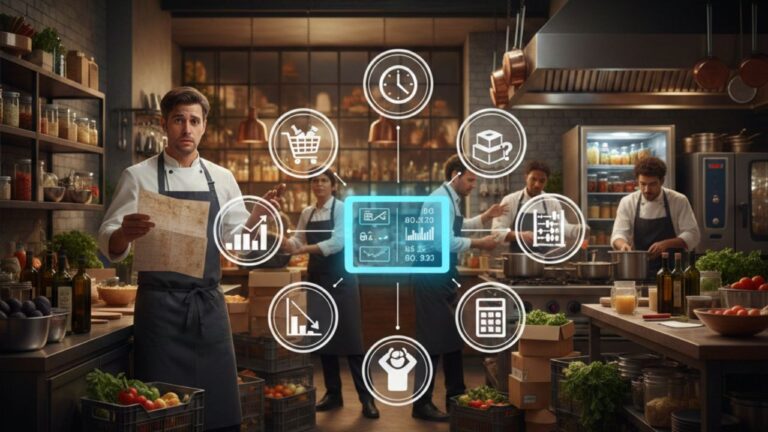
A restaurant thrives on the careful coordination of creativity, efficient processes, and precise operations. From sourcing ingredients to ensuring consistent menu quality, the backbone of any successful establishment is proper inventory management. Yet many restaurants still rely on manual tracking methods, unaware of how much time and resources they could save with modern solutions.
If your team is spending hours counting stock, reconciling discrepancies, or dealing with last-minute shortages, it may be time to consider food inventory management software. This type of technology automates stock tracking, reduces human error, and provides real-time insights into your inventory levels. Below are key signs that your restaurant has outgrown manual inventory tracking.
1. Frequent Stock Shortages or Overages
One of the most obvious indicators is the recurring problem of running out of key ingredients or having excess stock that goes to waste. Manual tracking can lead to miscounts or overlooked orders, which affect both your kitchen operations and your bottom line. A simple miscalculation in ingredient usage can result in customers receiving incomplete orders or dishes that do not meet your standards.
2. Time-Consuming Inventory Checks
If your staff spends hours each week manually checking stock, counting deliveries, and updating spreadsheets, this is a major efficiency drain. Time spent on inventory could be better invested in improving customer service, refining menu offerings, or staff training. Food inventory management software can automate these tasks, producing accurate reports in minutes and freeing your team for higher-value work.
3. Difficulty Forecasting Demand
Manual systems make it challenging to predict future inventory needs based on historical sales patterns. Without accurate data, you risk over-ordering perishable items or understocking popular dishes. Modern inventory solutions use sales trends and data analytics to help restaurants forecast demand more reliably, ensuring the kitchen is always prepared.
4. High Levels of Food Waste
Waste is both a financial and environmental concern. If you notice frequent spoilage, expired products, or unused stock being thrown away, your manual tracking system may be failing you. Automated systems can alert you when items are nearing their expiry date and suggest adjustments to order quantities, significantly reducing waste and improving cost control.
5. Complicated Supplier Management
Managing multiple suppliers, delivery schedules, and pricing changes manually can be overwhelming. Errors in communication or data entry can lead to missed orders, double orders, or incorrect deliveries. A dedicated inventory system centralises supplier information, tracks orders, and provides notifications for restocking, helping your restaurant stay organised and efficient.
6. Inconsistent Menu Performance
If menu items are occasionally unavailable or ingredients run out mid-service, it can harm customer experience and damage your reputation. Manual tracking often lacks real-time updates, making it difficult to respond quickly to changes in inventory levels. Software solutions provide real-time visibility, ensuring that chefs and front-of-house staff can make informed decisions and maintain consistent service.
7. Challenges During Audits
Manual inventory records can be prone to errors and inconsistencies, which create headaches during internal audits or inspections. Accurate and easily accessible digital records simplify the auditing process, help maintain compliance, and reduce stress for managers and staff alike.
8. Rapid Growth and Expansion
If your restaurant is expanding locations, increasing menu complexity, or adding catering services, manual tracking quickly becomes unsustainable. Each additional outlet multiplies the potential for errors and inefficiencies. Implementing a digital inventory management system allows you to scale operations without sacrificing accuracy or control.
A Smarter Way to Manage Inventory
Frequent shortages, wasted food, and time-consuming counts are signs that manual tracking is holding your restaurant back. Adopting food inventory management software brings accuracy, efficiency, and control, allowing your team to focus on cooking and serving. Upgrading your system ensures smoother operations, reduced waste, and a better experience for both staff and customers.
With the right solution in place, inventory management can become one of the quiet strengths that keeps your restaurant running seamlessly.
