

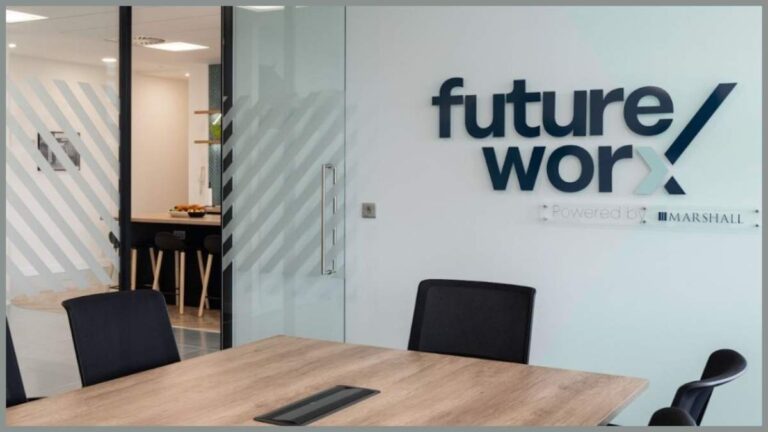
Office branding is often misunderstood as simply adding a logo to a wall or choosing company colors for furniture. In reality, thoughtful office branding goes much deeper. It shapes how people feel when they enter a space, how employees connect with their work, and how clients perceive the organization behind the brand. When done intentionally, office branding becomes a powerful tool that aligns culture, communication, and business goals in one physical environment.
More Than Decoration: Branding as Experience
A well-branded office is not about visual noise or heavy-handed marketing. It is about experience. Every material, color, message, and spatial choice communicates something—whether consciously or subconsciously. From wall finishes to signage elements like printed foamex, visitors instantly form opinions based on what they see and feel when they walk through the door. Employees absorb those same signals every day.
Thoughtful office branding turns the workplace into a three-dimensional expression of a company’s values and personality. A bold, innovative brand might use dynamic graphics, open layouts, and energetic color accents. A more established or trust-focused organization may lean into refined typography, natural materials, and calm, confident messaging. In both cases, the environment reinforces who the company is and what it stands for.
Strengthening Company Culture
One of the most meaningful impacts of office branding is its effect on company culture. Employees spend a large portion of their lives at work, and their surroundings influence motivation, engagement, and pride. When people feel connected to the space they work in, they are more likely to feel connected to the organization itself.
Thoughtful branding can highlight a company’s mission, values, and achievements in subtle but consistent ways. Wall graphics, environmental messaging, and curated storytelling can remind employees why their work matters, just as visual cues and inspiration reinforce learning in a sewing class. Instead of being abstract statements buried in a handbook, values become visible and present in daily routines.
This sense of belonging is especially important as companies compete for talent. A branded environment that feels authentic and human can help attract people who align with the organization’s culture—and encourage them to stay.
Creating Consistency Between Brand and Reality

Branding often lives in digital spaces: websites, social media, presentations, and advertising. When the physical office does not reflect that same identity, it creates a disconnect. Clients may experience a polished brand online, only to walk into an office that feels generic or outdated—missing even simple brand cues like an acrylic logo sign that immediately signals who the company is.
Thoughtful office branding closes that gap. It ensures that what people see online matches what they experience in person. This consistency builds trust. It shows that the company is intentional, detail-oriented, and aligned in how it presents itself across all touchpoints. For client-facing businesses, this matters even more. The office becomes part of the brand story, reinforcing credibility and professionalism without a single word being spoken.
Supporting Wayfinding and Functionality
Effective office branding is not only emotional—it is practical. Clear wayfinding, branded signage, and visual hierarchy help people navigate a space easily. This is especially valuable in larger offices, shared workspaces, or environments with frequent visitors.
When branding is integrated into wayfinding systems, it improves usability while maintaining visual cohesion. Directional signs, room names, and floor graphics can all reflect the brand’s tone while serving a clear purpose. This balance of form and function makes the workplace feel both intuitive and intentional.
Adapting to Modern Work Environments
The modern workplace is evolving. Hybrid work, flexible seating, and collaborative zones are now common. Thoughtful office branding helps unify these diverse spaces into a cohesive whole. It creates a sense of continuity even as people move between focus areas, meeting rooms, and social spaces.
Branding can also be used to define zones and behaviors without rigid rules. Color, graphics, and messaging subtly communicate how a space is meant to be used—whether it’s for quiet concentration or energetic collaboration. As offices shift from being places people must go to places people want to go, branding plays a critical role in making the environment welcoming, inspiring, and purposeful.
Making a Lasting Impression

First impressions matter, but so do lasting ones. A thoughtfully branded office leaves people with a clear sense of who the company is, long after they leave the building. It becomes part of how the brand is remembered.
Importantly, thoughtful office branding does not require excess. It requires intention. Understanding the brand, the people, and the purpose of the space allows design decisions to feel natural rather than forced. The result is an environment that supports business goals while enhancing everyday experiences.
The Real Difference Thoughtful Branding Makes
Ultimately, thoughtful office branding makes a difference because it aligns people, space, and story. It turns the workplace into an active participant in the brand, not just a backdrop. It supports culture, reinforces identity, and creates meaningful connections between organizations and the people who interact with them.
In a world where brands compete not just on products or services but on experience, the office remains a powerful and often underutilized touchpoint. When approached with care and clarity, office branding becomes an investment that pays off in engagement, perception, and long-term brand strength.
READ ALSO: How Does a Cost Segregation Study Work? A Step-by-Step Breakdown for Property Owners
