

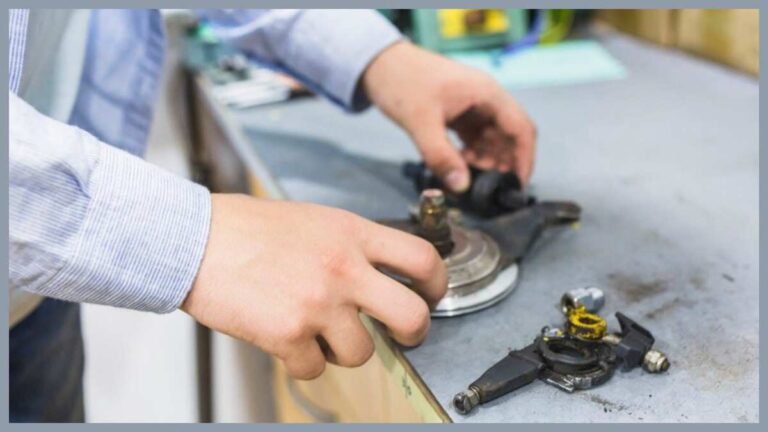
When you hire a professional locksmith in the UK for a lock replacement or repair job, you are not just paying for their time—you are paying for their expertise, training, and the specialised tools they bring with them.
Modern locksmithing goes far beyond simple keys and padlocks. From British Standard locks to smart security systems, a locksmith must be well-equipped to handle a wide range of situations efficiently and without causing damage. Understanding the tools a locksmith uses also helps customers appreciate the complexity and value of the service.
Basic Hand Tools for Everyday Tasks
Every 24 hr locksmith near me starts with a set of essential hand tools. These include screwdrivers of various sizes and types (flathead, Phillips, Torx), Allen keys, pliers, adjustable spanners, and small hammers. These tools are crucial for removing door handles, escutcheons, lock cases, and strike plates during repair or replacement work.
In the UK, many door locks—especially uPVC and composite door systems—require careful dismantling. The right hand tools allow a locksmith to work precisely, ensuring that doors and frames are not damaged during the process. While these tools may seem simple, professional-grade versions are designed for durability and accuracy.
Lock Picking and Non-Destructive Entry Tools
A reputable UK locksmith will always aim for non-destructive entry wherever possible. This is especially important when repairing a lock rather than replacing it. Lock picking tools such as tension wrenches, hook picks, rake picks, and snap guns are commonly used to open locks without causing damage.
For British pin-tumbler locks, euro cylinder locks, and mortice locks, these tools are essential. In addition, locksmiths may carry specialised decoder tools for certain locks, allowing them to determine the internal configuration of a lock without dismantling it. These tools demonstrate a locksmith’s skill and professionalism, helping preserve the customer’s existing hardware when replacement is unnecessary.
Lock Removal and Installation Tools
When a lock replacement is required, locksmiths need tools specifically designed for removing and fitting locks. This includes lock extractors for broken keys or damaged cylinders, cylinder pullers for seized or snapped euro cylinders, and mortice lock chisels for wooden doors.
Drills with a range of drill bits are also standard equipment. While drilling is usually a last resort, it is sometimes necessary when a lock is beyond repair or has failed completely. A professional locksmith uses drilling carefully and precisely to minimise damage and ensure the new lock fits securely.
Measuring and Alignment Tools
Accuracy is critical in lock replacement. Locksmiths therefore carry measuring tapes, rulers, callipers, and alignment tools to ensure that replacement locks meet the exact specifications of the door. This is particularly important in the UK, where doors vary widely in thickness, backset measurements, and locking mechanisms.
Misalignment can cause locks to fail prematurely or make doors difficult to open and close. By using proper measuring tools, locksmiths ensure smooth operation and long-term reliability.
British Standard Lock Identification Tools
In the UK, many insurance policies require locks to meet BS3621 British Standard certification. Professional locksmiths often carry reference guides, lock gauges, or digital tools to identify whether an existing lock meets these standards.
When replacing a lock, locksmiths must ensure the new hardware complies with insurance requirements. These tools help them quickly recommend suitable replacements, such as anti-snap euro cylinders or insurance-approved mortice deadlocks, giving customers peace of mind.
Power Tools and Cutting Equipment
In some situations—especially with older wooden doors or bespoke fittings—locksmiths may need power tools such as cordless drills, rotary tools, or small saws. These tools allow them to adjust door frames, enlarge apertures, or modify strike plates to accommodate new locks.
Professional locksmiths use these tools carefully, focusing on neat workmanship and minimal disruption. This is particularly important in residential properties and heritage buildings, which are common across the UK.
Key Cutting Tools
If the lock replacement includes providing new keys, locksmiths may bring portable key-cutting machines. These machines allow keys to be cut on-site, saving customers time and ensuring immediate access.
Safety and Security Equipment
A responsible locksmith Cheshunt also brings safety equipment, such as gloves, protective eyewear, and dust covers. These protect both the locksmith and the customer’s property during drilling or cutting work.
In addition, many UK locksmiths carry identification, accreditation cards (such as from the Master Locksmiths Association), and documentation to reassure customers of their legitimacy and professionalism.
Conclusion
A lock replacement or repair job in the UK requires far more than just a spare key and a screwdriver. Professional locksmiths bring a comprehensive toolkit that includes hand tools, non-destructive entry equipment, installation tools, measuring devices, power tools, and specialised security hardware. These tools enable them to work efficiently, safely, and in compliance with British standards and insurance requirements.
By understanding the tools involved, customers can better appreciate the skill behind locksmithing and feel more confident when hiring a qualified professional to protect their property and peace of mind.
