

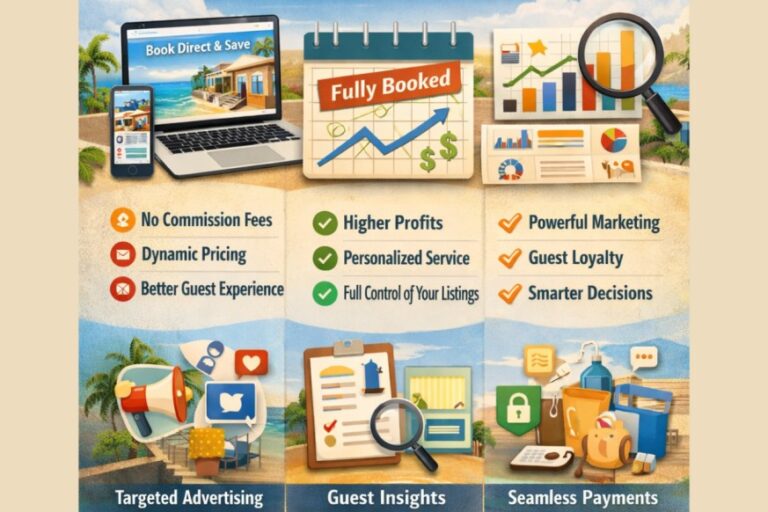
Owning your reservation platform can transform a seasonal property into a reliable income generator. Relying solely on third-party listing sites may fill your calendar, but they also take a sizeable commission, control messaging, and limit how you present your brand. By shifting focus toward a proprietary booking system, holiday rental owners gain greater control over pricing, guest experience, and long-term profitability. The transition requires planning and investment, but the payoff comes through higher net revenue, improved guest loyalty, and data-driven decision making.
The financial case for taking control
The most immediate benefit of an owned reservation platform is clearer finances. Each direct booking avoids marketplace fees and allows owners to keep a greater share of the nightly rate. Beyond savings, an in-house system enables dynamic pricing strategies that reflect local events, seasonal demand, and minimum-stay flexibility without interference. With complete control over fees, policies, and upsells, portfolio owners can test different revenue-enhancing tactics such as early-bird discounts, last-minute offers, or bundled services like airport transfers and welcome packages. Over multiple high-demand holiday periods, even modest increases in average nightly revenue compound into significant gains.
Building trust and a memorable guest experience
Guests who book directly expect a smoother, more personal experience. An owned reservation platform lets you curate the booking flow, present richer property stories, and offer localized recommendations—elements that third-party sites often strip away. Personalization tools such as stored preferences, special occasion notes, or tailored welcome messages create stronger connections and higher repeat-booking rates. When guests recall an effortless interaction before arrival, they are more likely to leave positive reviews and to return for future stays. That word-of-mouth value is difficult to quantify but essential for long-term holiday income growth.
Technology choices and integration
Selecting the right technology is a strategic decision. Options range from custom-built platforms to white-label solutions and plugins that integrate with existing websites. Key functionality to prioritize includes calendar synchronization to prevent double bookings, secure payment processing, automated confirmation messaging, and mobile-friendly design for last-minute travelers. Integration with property management systems, channel managers, and accounting software reduces manual work and keeps operations lean. If you maintain several properties, choose software that scales easily and supports multi-unit management, reporting, and automated housekeeping schedules.
Marketing strategies to drive direct bookings
Driving traffic to your platform is as important as the technology itself. A well-optimized website, clear brand voice, and targeted advertising campaigns will bring high-intent visitors to your booking page. Email marketing plays a vital role: building a guest database allows you to promote off-season specials and exclusive offers that can fill slow periods. Social media should showcase the unique character of each property, while search engine optimization increases organic discoverability for travelers searching for the exact type of holiday experience you offer. Collaborations with local businesses and referral incentives for previous guests further amplify your reach without relying on commission-heavy channels.
Pricing, policies, and trust signals
Direct-booking platforms allow you to test pricing strategies quickly, but transparent policies matter just as much. Display clear cancellation terms, cleaning fees, and deposit requirements to avoid surprises that erode trust. Providing a seamless, secure checkout experience reduces abandonment, while trust signals such as verified guest reviews, property certifications, and clear contact information reassure potential bookers. Consider offering flexible options tailored to holiday travelers, such as staggered check-in times, concierge services, or family-friendly amenities, to differentiate your listings from marketplace alternatives.
Leveraging data for smarter decisions
A proprietary reservation platform yields valuable insights. Track booking lead times, average length of stay, common sources of traffic, and competitor pricing to refine your approach. Over successive holiday seasons, data helps you anticipate demand patterns and adjust minimum stays or rates accordingly. Using analytics to identify high-performing properties or underperforming dates enables targeted promotions and more efficient resource allocation. When you own the booking funnel, you own the data—an asset that can be used to optimize marketing spend, forecast revenue, and improve the guest journey.
Operational readiness and guest support
Operational efficiency is essential to capitalize on direct bookings. Ensure your team can manage inquiries rapidly, handle special requests, and coordinate cleaning or maintenance between stays. Automating routine communications—such as reservation confirmations, arrival instructions, and post-checkout feedback requests—frees staff to focus on higher-value tasks. During peak holiday seasons, having a reliable system for managing late check-ins or emergency maintenance protects both reputation and revenue. Excellent customer service often justifies a premium rate, particularly for guests seeking a seamless holiday experience.
Risk management and legal considerations
Hosting holiday guests comes with responsibilities. Review local regulations regarding short-term rentals, tax obligations, and safety standards to avoid fines or forced closures. An owned reservation platform should include clear booking contracts, liability waivers when appropriate, and secure storage of sensitive guest information in compliance with privacy laws. Insurance tailored to holiday rentals can protect against property damage and liability claims, allowing owners to price confidently and protect long-term income streams.
A practical next step
For owners ready to make the shift, start by auditing current booking channels and guest feedback to identify pain points. Choose a technology partner who understands holiday rental nuances and can provide the integrations you need. As you launch, promote direct-booking benefits through targeted campaigns and offer incentives to guests who book straight from your site. Building a recognizable brand and a frictionless booking experience will pay dividends across multiple holiday seasons.
Embedding a reliable, user-friendly reservation engine is a competitive edge that rewards investment with greater profit, stronger guest relationships, and more predictable revenue. For hosts looking to mature their business, considering a vacation rental direct booking site is a logical and lucrative step toward maximizing holiday income.
READ MORE : How Cyber Security Training Addresses Gaps Technology Misses
